
Custom event fabrication transforms brand vision into physical reality, but it comes with price tags that can vary wildly based on scope, materials, and timeline. Whether you’re planning a single-city pop-up or a multi-market tour, understanding what drives event fabrication cost helps you build a realistic event budget and avoid costly surprises during execution.
This guide breaks down actual pricing, the factors that shape your final invoice, and practical strategies for controlling costs without sacrificing impact.
What Is Event Fabrication (and How It Differs from Event Production)?
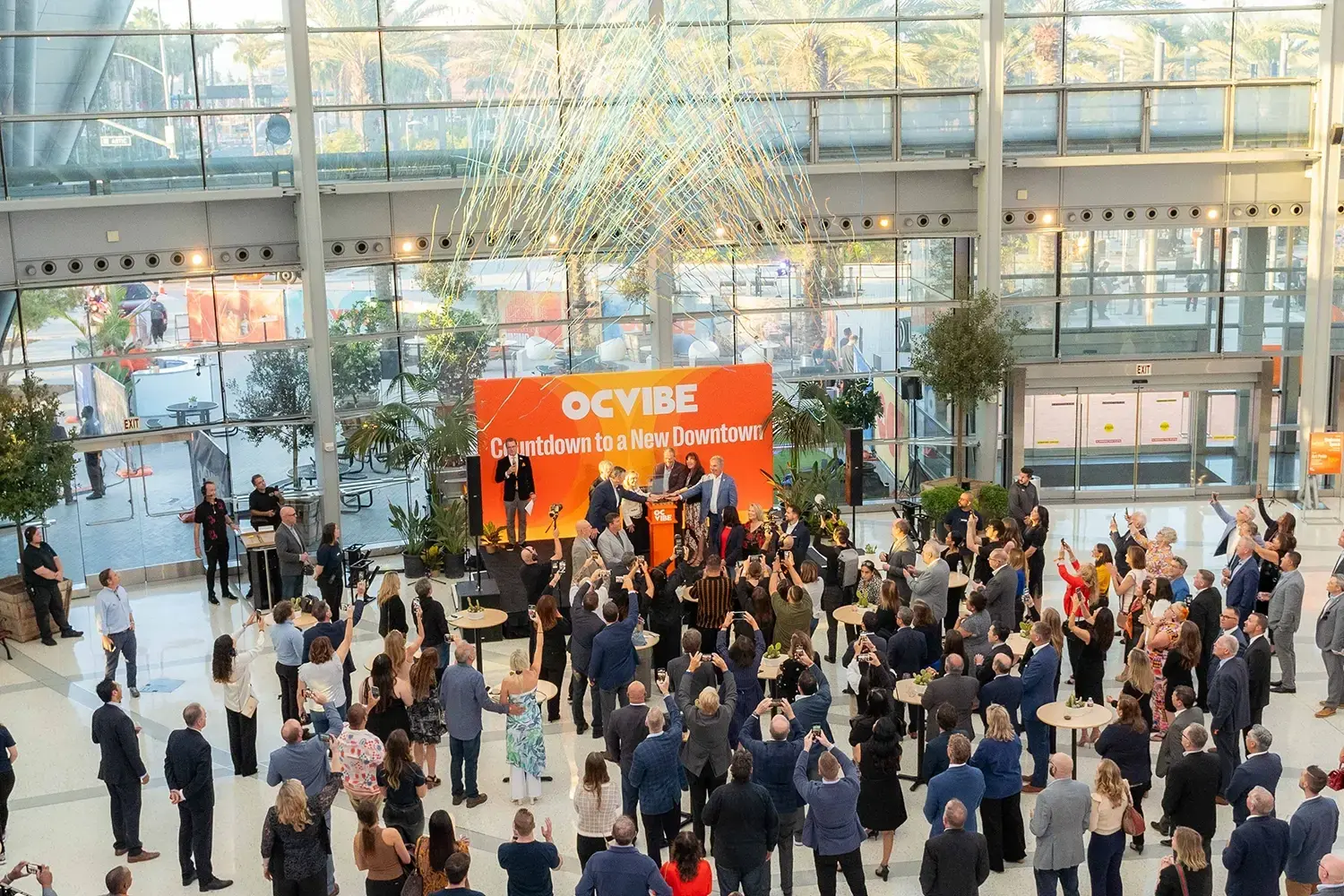
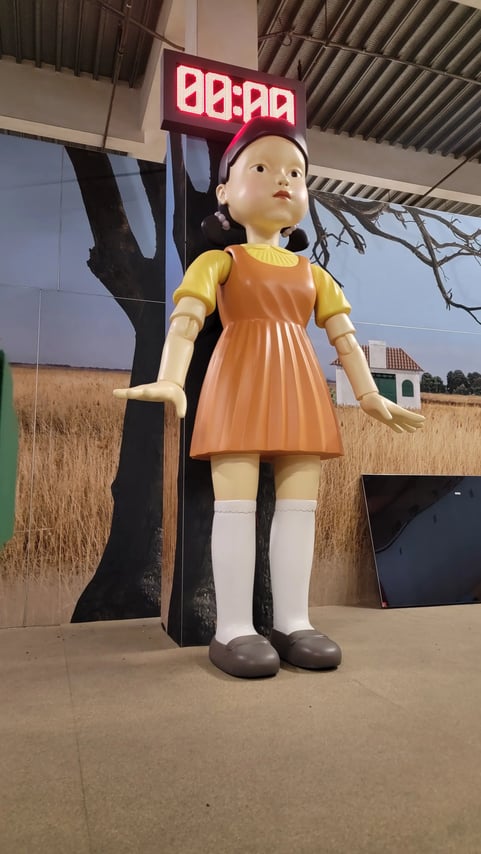
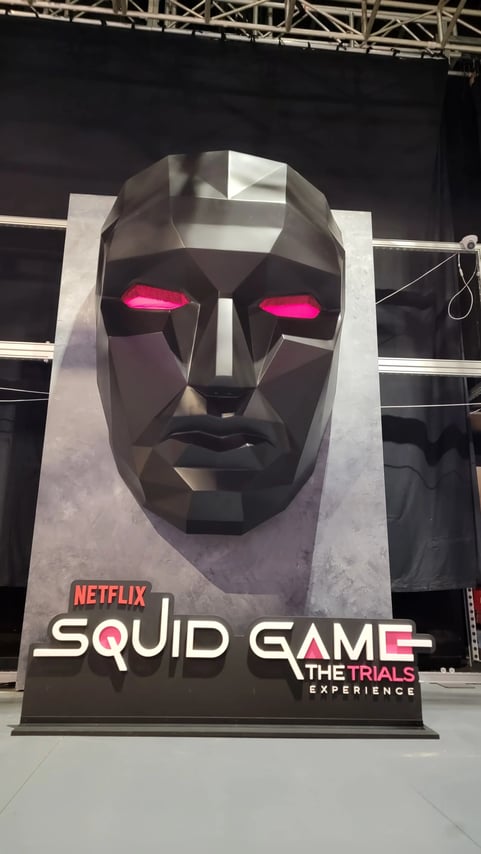
Event fabrication refers to the design and physical construction of custom scenic elements, structures, stages, and branded environments for live experiences. It’s the discipline that transforms renderings into tangible, walk-through spaces your customers interact with. Customizing the space to reflect the brand’s identity is essential to creating a memorable, unique presentation.
This differs from event production, which covers the logistics, AV systems, staffing, schedules, permits, and run-of-show coordination that bring an event to life operationally.
Fabrication includes:
- Custom scenic production builds and themed environments
- Branded stages, arches, and structural signage
- Immersive pop-up interiors and mobile sampling vehicles
- Custom furniture, fixtures, and display systems
Production includes:
- Production management and scheduling
- Audio, video, and lighting equipment rental and operation
- Staffing and crew coordination
- Venue logistics and permitting
Fabrication costs typically appear as a separate line item from venue, catering, and standard equipment rentals because they involve unique design, engineering, and skilled shop labor that don’t fit neatly into general event categories.
Concrete examples of fabricated elements:
- A product-launch pop-up store with custom fixtures and branded walls
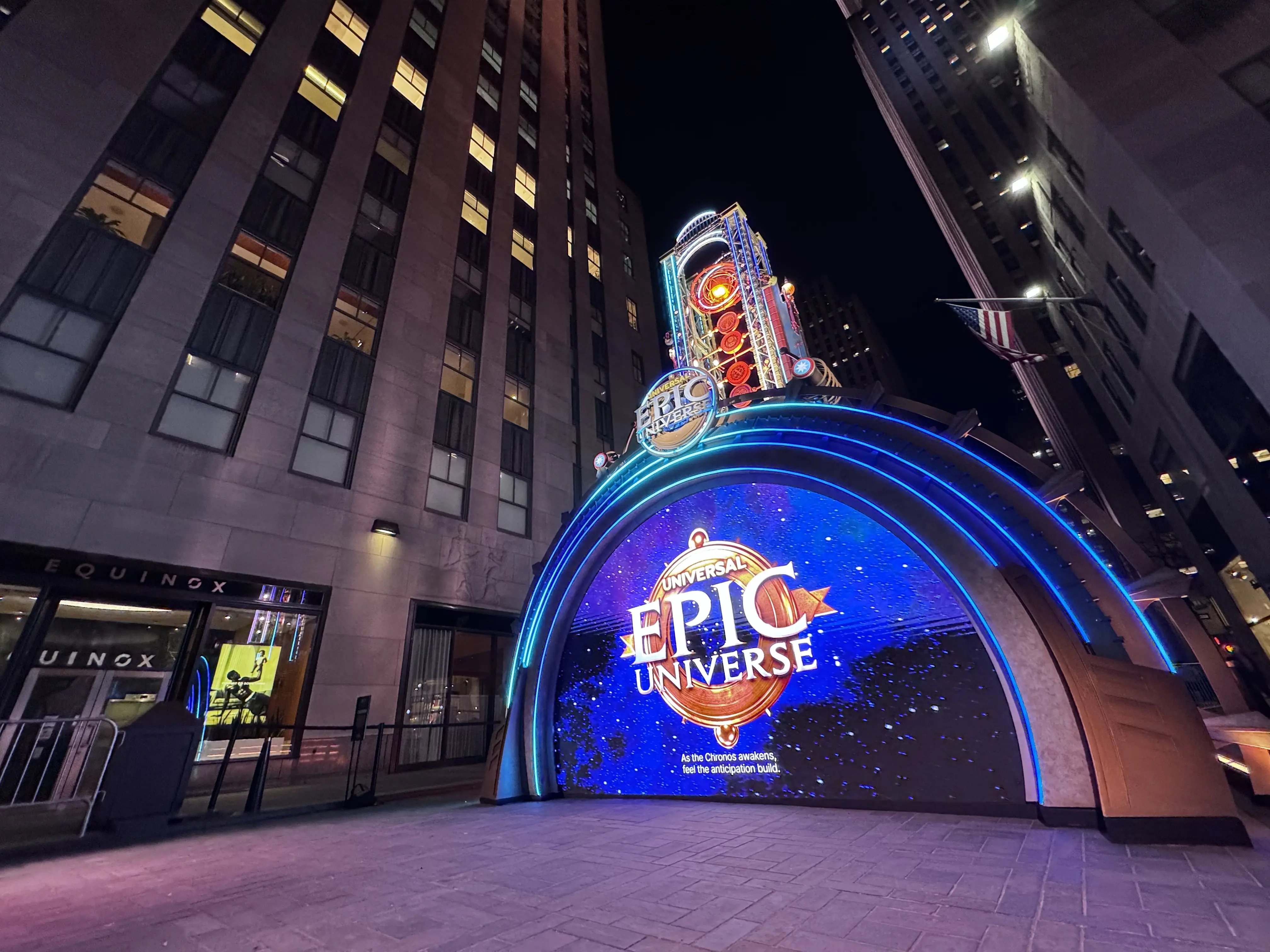
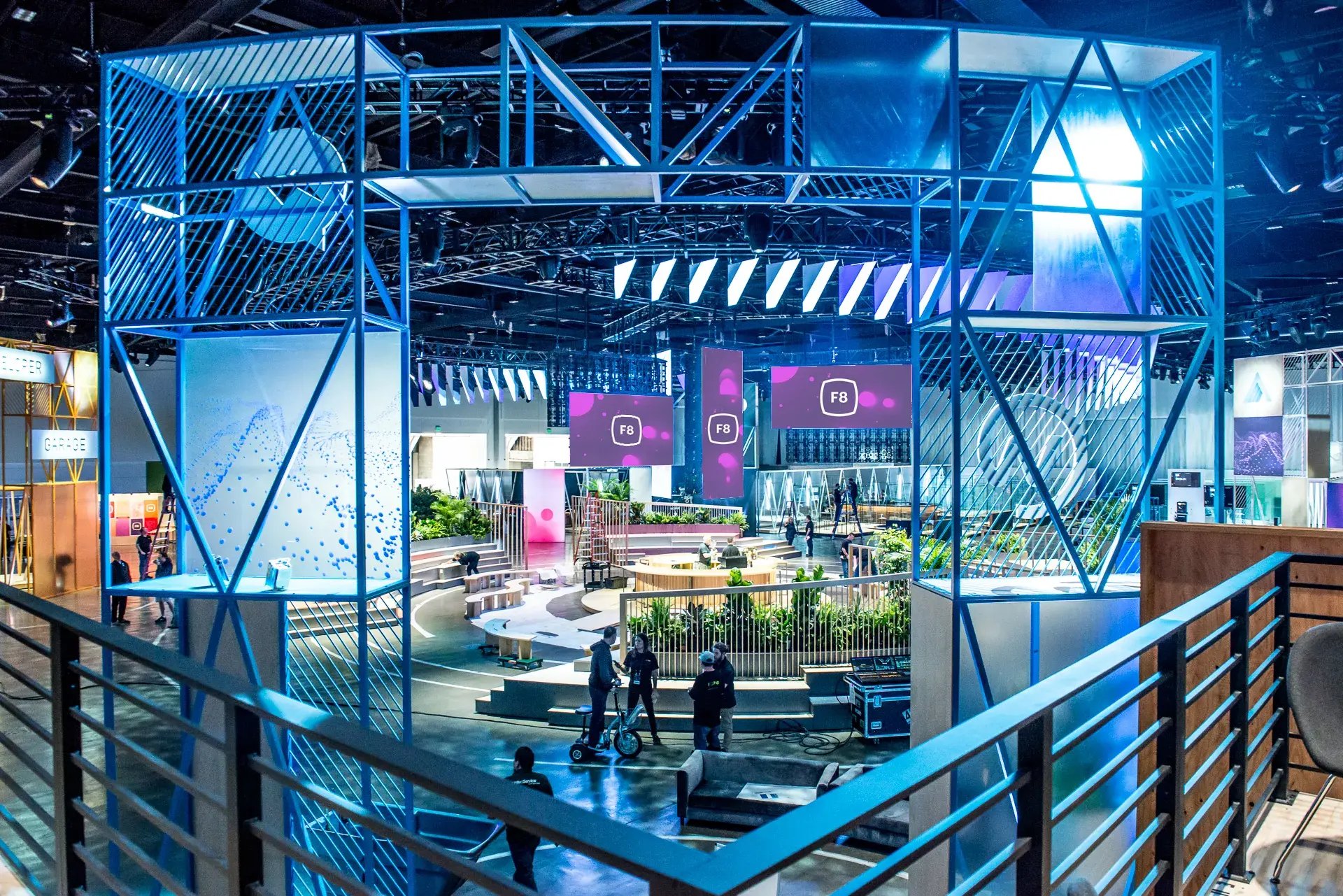
- A festival stage arch with dimensional logos and integrated lighting
- A mobile sampling truck interior with built-in product displays
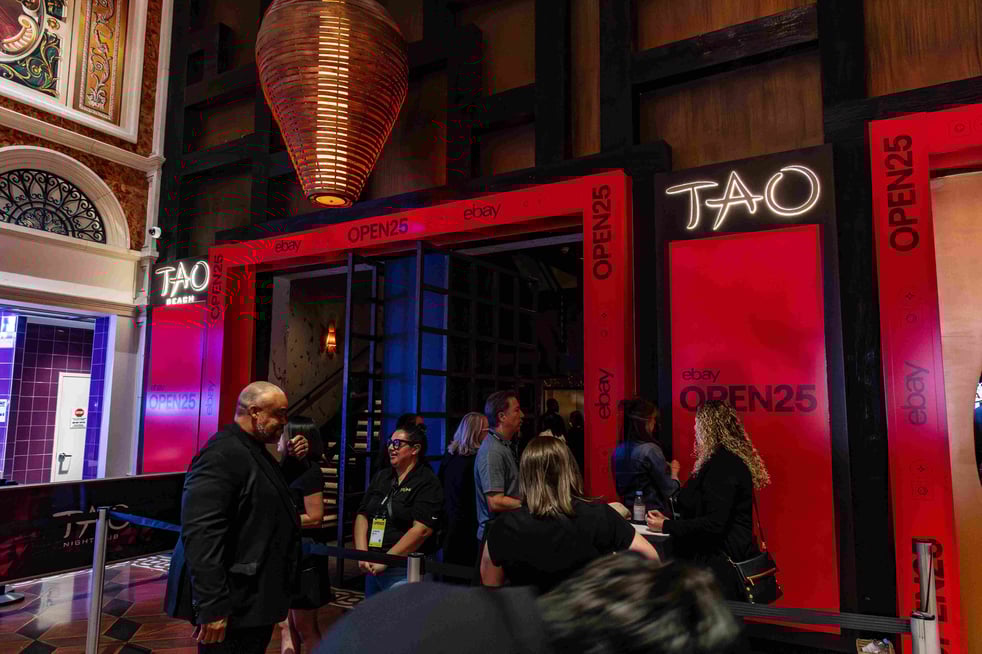
- A custom festival entry portal designed for high-volume photo opportunities
Key Factors That Drive Event Fabrication Cost
Four main drivers - scale, complexity, materials, and timeline - shape most custom fabrication budgets. Understanding these factors helps you make informed trade-offs during planning. Focusing on the most impactful elements, such as design complexity or material quality, ensures cost efficiency and event success.
Scale & footprint:
- Square footage, wall asset height, and number of components directly affect material volume and labor hours
- A 10’ x 10’ branded kiosk requires fundamentally different resources than a 30’ x 60’ festival village
- Multi-room environments or structures exceeding 12’ in height could potentially add engineering requirements and assembly complexity
Design complexity:
- Sculpted forms, curved walls, and organic shapes require more skilled carpentry labor than rectangular builds
- Integrated LED displays, touchscreen kiosks, or projection mapping surfaces add technical coordination
- Complex paint finishes, texture coats, or specialty graphics extend shop time significantly
Materials & finish level:
- Budget tier: Foam core and fabric, lightweight, fast to produce, limited durability
- Midrange tier: MDF, acrylic, and standard paints, good for indoor single-use or short tours
- Premium tier: Aluminum framing, engineered hardwoods, weather-resistant finishes, essential for outdoor or long-term touring use
Reusability & touring:
- Modular event fabrication designed for repeated assembly costs more upfront but reduces per-event spend.
- A national campus tour with multiple stops will benefit from fabrication built to travel in road cases
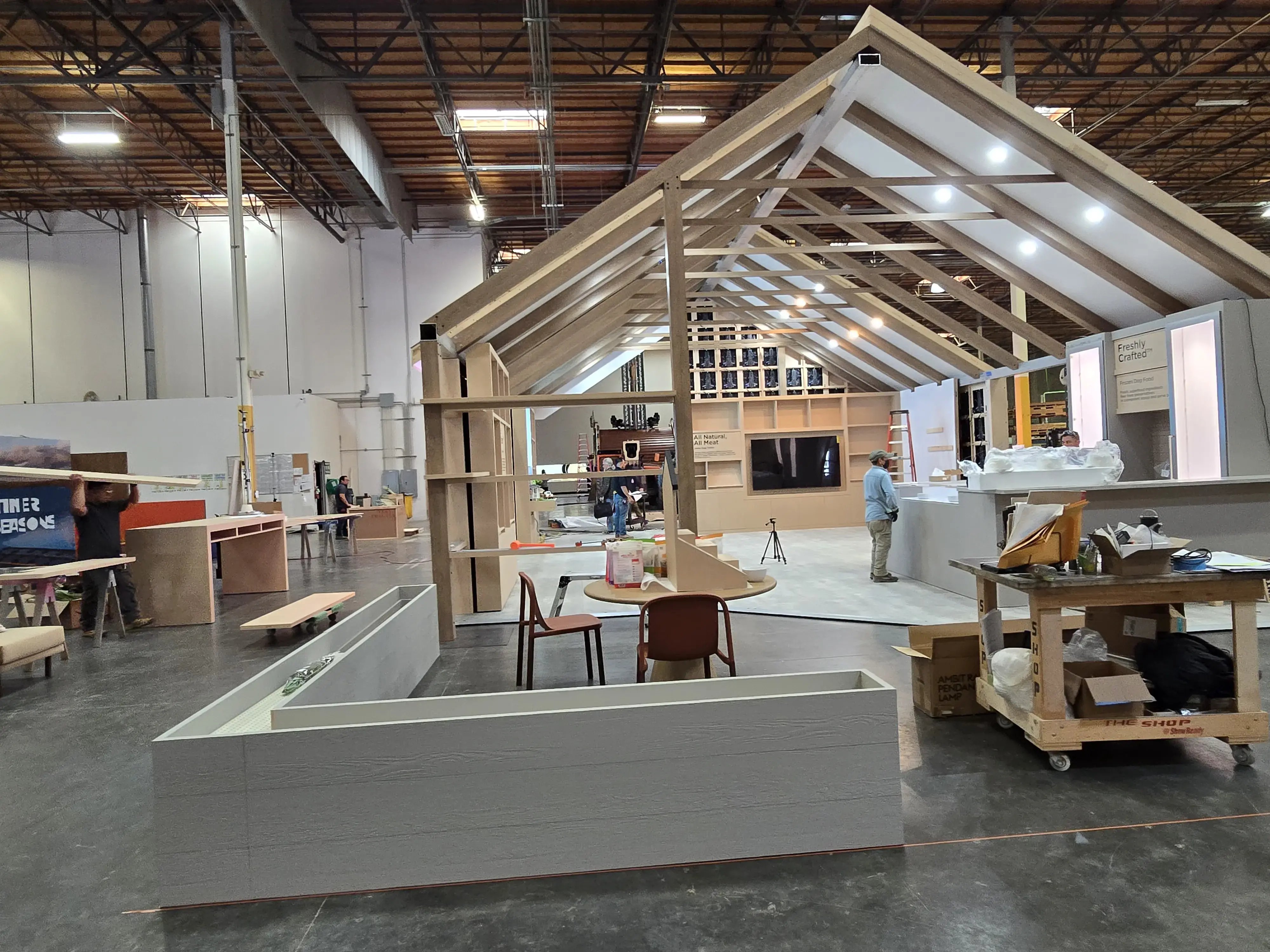
- Scenic elements can find a second life with clients by re-using in future projects, or moving to office headquarters for decor, just as our client, Santa Monica Studios did with Kratos.
Timeline & rush:
- Standard timelines run 4–8 weeks from approved design to delivery
- Compressed schedules may incur rush premiums due to overtime and shop reprioritization
- Last-minute changes during fabrication compound timeline pressure and cost
Location & labor market:
- Shop and installation labor rates vary significantly by city
- New York, San Francisco, and Los Angeles command higher prices than smaller markets
- Venue union requirements can affect crew size, work rules, and scheduling flexibility
Typical Cost Breakdown for a Custom Fabrication Project
Most custom builds share predictable cost categories, even when the final scope varies widely. Understanding where your budget goes helps you identify opportunities to control costs without sacrificing the elements that matter most.
Design & pre-visualization:
- Concepting, CAD drawings, 3D renders, and technical schematics
- Typical design package costs depend on project complexity
- Design fees are sometimes credited toward the build if the project moves forward
Materials & hardware:
- Sheet goods (plywood, MDF), aluminum extrusion, steel, acrylic, fabrics, fasteners, and paint
- Materials typically account for 25–40% of total project cost
- Material costs scale directly with footprint and finish quality
Shop labor & fabrication:
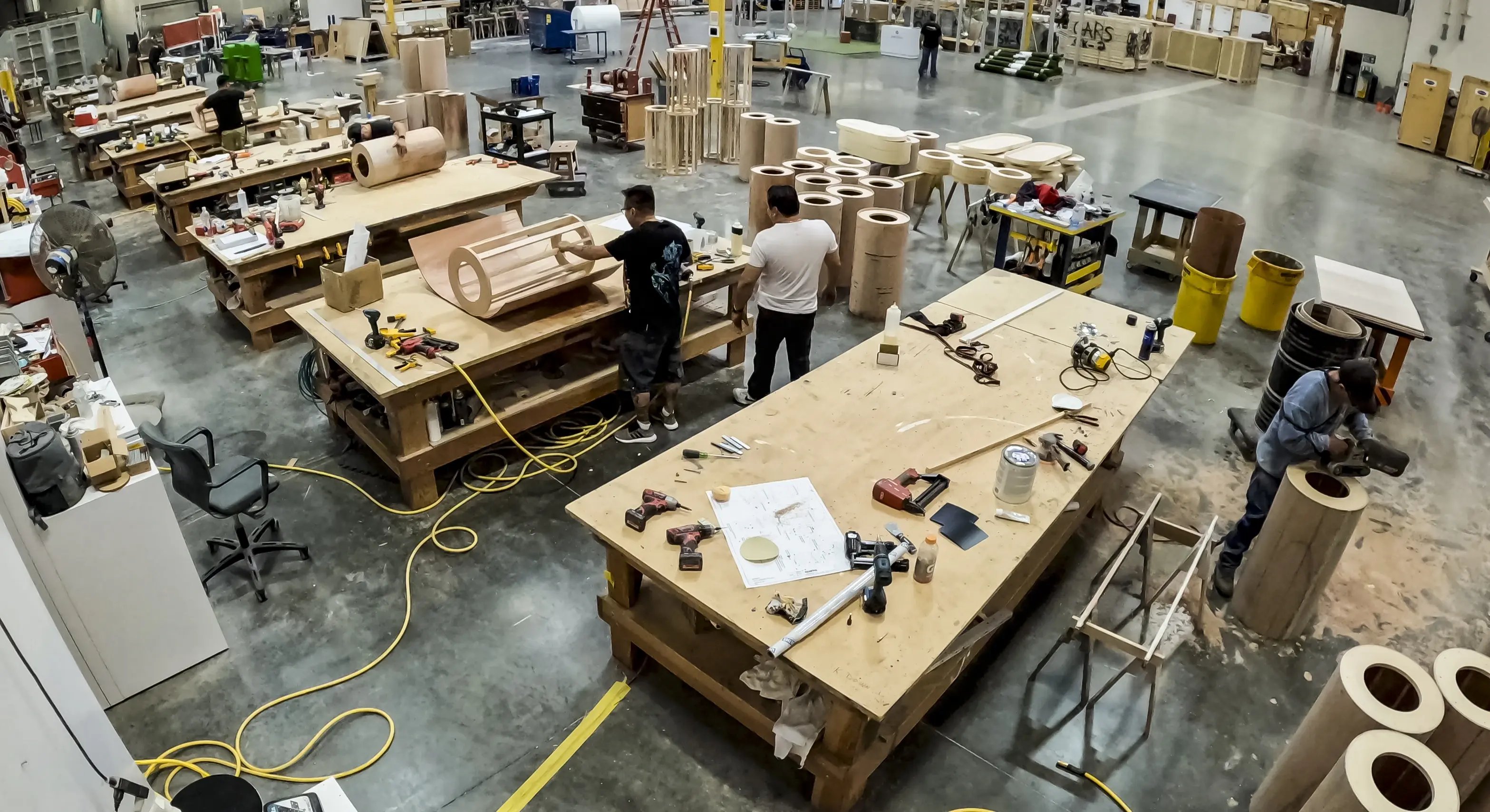
- CNC routing, carpentry, welding, scenic painting, vinyl application
- Labor is frequently the majority of final fabrication costs, especially on detailed or sculpted builds
- Skilled trades command higher hourly rates than general setup crews
Finishing & branding:
- Custom color matching, texture coats, printed graphics, and dimensional logos
- Brand-standard signage systems and precision finishing add time and cost
- High prices for finishing often reflect the visible, customer-facing nature of these elements
Logistics, install & strike:
- Trucking to the venue, load-in crew, on-site assembly, and rigging where needed
- Teardown and return freight for reusable assets
- Logistical complexity increases with venue constraints and tight turnarounds
Project management & contingency:
- Experienced fabricators add PM overhead, insurance, and contingency allowances
- Contingency of 5–10% covers minor changes, field conditions, and scope adjustments
- This buffer protects against costly last-minute surprises
Realistic Price Examples by Event Type
Concrete scenarios help translate cost drivers into actual budgets you can reference during planning.
Logistics, install & strike:
- Example: A 20’ x 20’ immersive skincare pop-up in Chicago, September 2025
- Custom fixtures, interactive product stations, branded walls, and photo moments
- Range: $65,000–$140,000, depending on tech integration and finish quality
- Does not include venue rental, staffing, product inventory, or marketing spend
Trade show booth (10’ x 20’ custom scenic):
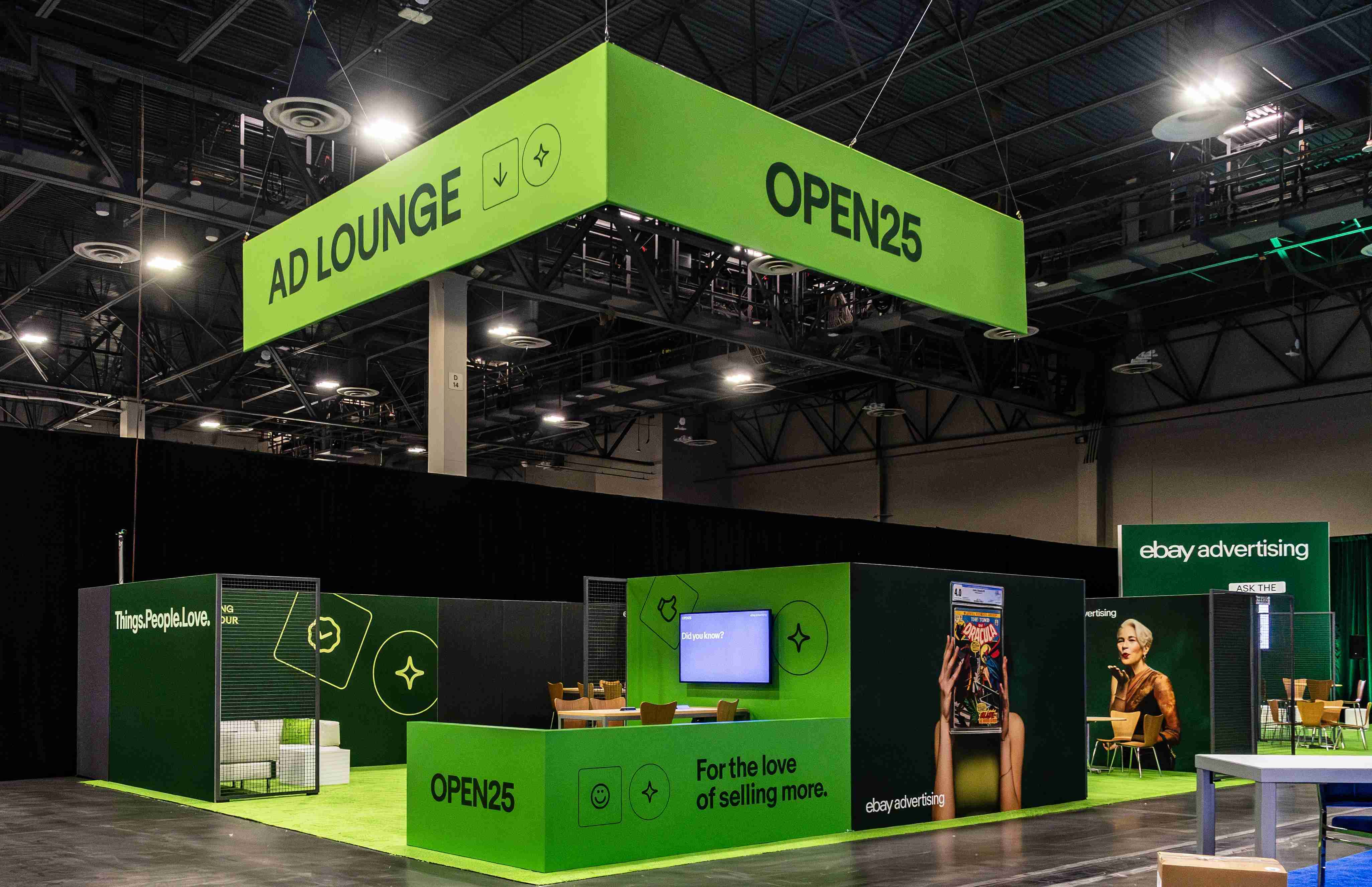
- Example: SaaS company booth at CES 2026 with a custom reception desk, demo stations, and a lighted feature wall
- Range: $35,000–$90,000 for fabrication, excluding show services, AV equipment, and drayage
- Higher end includes premium materials and complex electrical integration
Festival or tour build:
- Example: Beverage brand’s mobile sampling bar and photo backdrop touring 12 US markets, summer 2025
- Built for repeated assembly with road cases and modular construction
- Range: $180,000–$400,000 for fabrication and touring infrastructure
- Cost per activation drops significantly across the tour compared to one-off builds
High-impact entrance or stage scenic:
- Example: 40’ wide stage surround and 18’ high entry arch for an October 2025 corporate summit
- Range: $45,000–$120,000 depending on scale, lighting integration, and materials
- Structural engineering and fire-code compliance add to production costs
These figures represent fabrication-only ballparks. Venue fees, catering, talent, insurance, and marketing spend require separate budget lines..webp?width=8640&height=5760&name=OCVIBE-Orange%20Carpet-photoop-FGPG-006%20(1).webp)
How the Event Fabrication Process Affects Cost
Understanding the typical timeline from initial meeting to on-site install reveals where cost commitments are made, and where early decisions prevent expensive changes later. Our team works quickly to ensure response times and action items are delivered with clear, timely communication through the entire project scope.
Discovery & budgeting:
- Gathering details: event date, venue city, footprint, brand guidelines, and realistic budget range
- Clear budget guidance early avoids wasted design cycles and misaligned proposals
- Shops work more efficiently when they understand constraints from the beginning. It’s crucial to begin the budgeting and planning process as early as possible to ensure smooth execution and accurate cost management.
Concept & design development:
- This stage locks in major cost drivers: footprint, complexity, materials, and reusability
- Significant changes after design approval typically require redesign fees
- Renderings and mood boards help align all stakeholders before fabrication begins
Engineering & approvals:
- Structural reviews, fire-code compliance, load ratings, and venue-specific requirements
- Engineering and compliance may add thousands of dollars but protect safety and schedule
- Organizations with outdoor or multi-story builds face more stringent review processes
Fabrication & finishing:
- Shop time, change orders, and QC reviews during this period can add or control cost
- Proactive communication with vendors reduces surprises
- Change orders after materials are purchased or assembly has started are costly
Pre-rig, packing & rehearsal:
- Test fits and rehearsal builds in the shop reduce on-site surprises
- Adds planned shop time but prevents more expensive field modifications
- Essential for touring builds or complex multi-element installations
Install, show days & strike:
- After-hours installs, limited dock access, or tight venue turnarounds raise labor hours
- Same-day flip scenarios at hotel ballrooms in a city like New York or Chicago command premium rates
- Strike labor can add 30–50% to assembly labor costs for complex scenic builds
Production Management in Event Fabrication
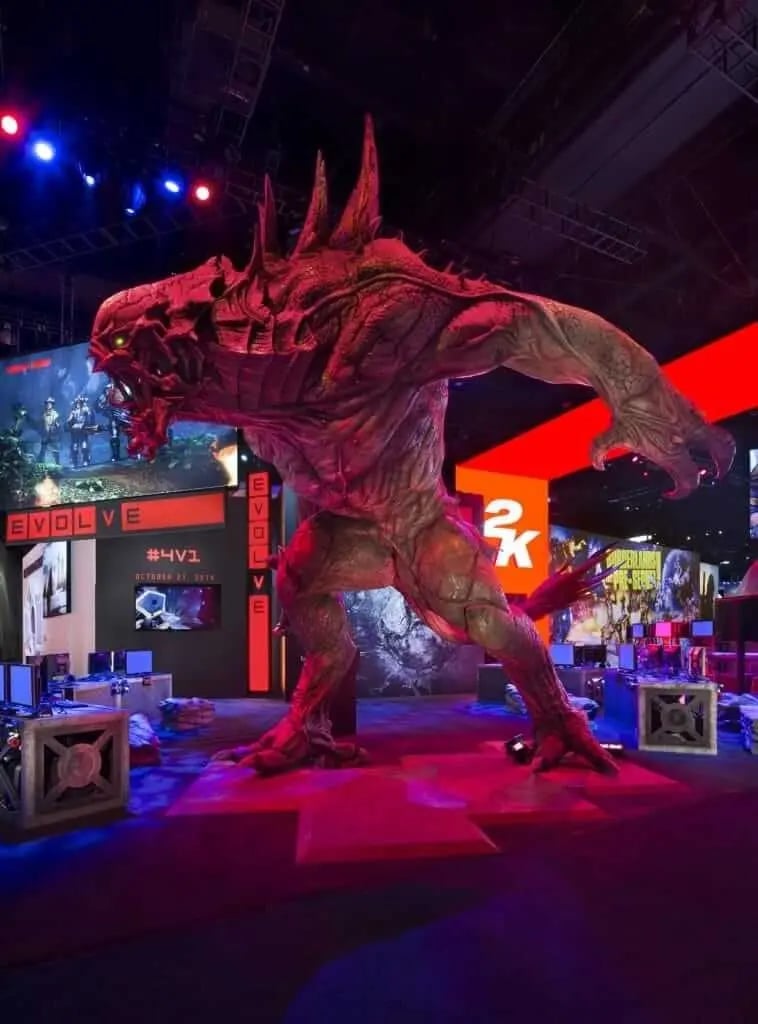
Here at Show Ready, we’re always advocating for the job in everything we do. Production management is the backbone of successful event fabrication, ensuring that every custom scenic element is delivered on time, on budget, and to the highest standard. A dedicated production management team oversees the entire process, from the initial planning stages through to the final installation, coordinating labor hours, material costs, and equipment usage with precision. This level of oversight is essential for keeping the event’s vision on track while managing the many moving parts that fabrication requires.
Effective production management means anticipating challenges before they arise, optimizing workflows, and making strategic decisions that maximize efficiency. By carefully tracking material costs and labor, the team can identify opportunities to streamline production, reduce waste, and avoid unnecessary expenses. This not only helps planners stay within their event budget but also ensures that the finished elements meet or exceed client expectations.
For event planners, partnering with a skilled production management team means gaining a trusted ally who understands the complexities of fabrication and is committed to delivering results. Whether it’s coordinating multiple vendors, managing tight timelines, or troubleshooting on-site, production management is essential for turning creative concepts into reality, without costly overruns or last-minute surprises.
Logistics and Operations: The Hidden Cost Drivers
While the spotlight often shines on the creative aspects of event production, logistics and operations are the behind-the-scenes forces that can make or break your budget. The costs associated with transporting custom scenic elements, storing materials, renting equipment, and managing setup and teardown can quickly add up, sometimes outpacing the fabrication costs themselves.
To keep these hidden costs in check, event planners must take a proactive approach to logistics planning. Have the discussion upfront when addressing the project scope, as our team prefers including this in the scope of deliverables.
This means mapping out every step of the production process, from how materials and equipment will be delivered to the venue, to how custom pieces will be stored and handled before and after the event. Working with experienced vendors and logistics providers can help streamline these operations, ensuring that each element arrives on time and in perfect condition.
Smart planning can also uncover cost-saving opportunities, such as renting equipment instead of purchasing it outright, or sourcing materials from local vendors to reduce transportation expenses. By building a detailed budget breakdown that accounts for all logistical elements, planners can avoid costly surprises and create a more efficient, seamless event setup. Ultimately, understanding and managing logistics and operations is key to delivering a successful event production that stays within budget and meets your creative goals.
Payment Structures, Design Fees, and Change Orders
Understanding typical commercial terms helps event planners avoid budget surprises and build stronger relationships with fabrication partners.
Design & visualization fees:
- Common practice: flat or tiered fees for renderings, CAD, and mood boards
- Often credited toward the build if the project moves forward with that vendor
- Realistic 2024 figures: $750–$3,000 for simple concepts, $3,000–$10,000+ for complex environments
- Design fees protect shops from unpaid spec work and demonstrate client commitment
Deposits & milestones:
- Standard structures: 50% deposit at contract, 25% at fabrication start, 25% at delivery
- Some shops use milestone-based schedules tied to specific fabrication stages
- Deposits secure shop time and cover material procurement. Work typically does not begin until the initial deposit is paid, so timely payments are essential to keep the project on schedule.
Change orders:
- Client-requested scope changes after materials are ordered or fabrication begins require written change orders
- Changes mid-build can add both direct costs and timeline delays
- Lock content, dimensions, and branding as early as possible to avoid these expenses
Rush fees:
- Compressed schedules frequently incur rush multipliers due to overtime and job reprioritization
- A project requiring delivery in two weeks instead of six may see 25–50% cost increases
- Planning ahead remains the most effective cost control practice
Preferred payment methods:
- ACH, wire, or check preferred by most shops
- Credit card payments may carry a 2–4% processing surcharge
- Business clients should confirm payment terms before signing a contract
Contingency Planning: Preparing for the Unexpected
In the world of event production and custom fabrication, even the best-laid plans can encounter unexpected twists. That’s why contingency planning is not just helpful, it’s essential. A robust contingency plan prepares event planners to handle last-minute changes, weather disruptions, or unforeseen challenges without derailing the entire production or blowing the budget.
Effective contingency planning starts with a thorough budget breakdown that highlights areas where costs can be adjusted or reallocated if needed. This might include setting aside a portion of the budget for emergency expenses, identifying alternative vendors or materials, and developing backup plans for critical elements of the event. By understanding the complexity and scope of the event, as well as the specific requirements of custom fabrication, planners can anticipate potential risks and put the right resources and support in place.
Having a contingency plan not only minimizes the risk of costly surprises but also ensures that the event can proceed smoothly, no matter what comes your way. It empowers planners to make quick, informed decisions and maintain control over the production process, even in high-pressure situations. In short, contingency planning is a vital part of event production, one that protects your investment, supports your team, and helps create memorable experiences, regardless of the unexpected.
How to Control Event Fabrication Costs Without Losing Impact
Most marketing and event teams work within fixed budgets for 2025–2026 programs. These strategies help maximize impact per dollar without sacrificing the elements that create memorable experiences.
- Clarify priorities early:
- Define one or two hero moments (entry experience, main photo op, product demo station) and scale back supporting elements
- Not every surface needs premium finishing, focus resources where customers spend the most time
- Design for modularity & reuse:
- Plan assets that can appear at multiple events across Q2–Q4 2025 with swap-out graphics
- Spreading fabrication cost over a tour or multi-event program improves efficiency
- Modular systems allow customization without full rebuilds
- Use smart material choices:
- Combine premium finishes at eye level with more economical structures behind the scenes
- Customers interact with visible surfaces, back-of-house construction can be cheaper without sacrificing experience
- Leverage rentals with custom overlays:
- Hybrid approaches cut costs: rent stage platforms and add custom fascia, rent furniture and add custom branding elements
- Standard rentals dressed with custom pieces create impact without full fabrication expense
- Lock the brief and avoid late changes:
- Last-minute design changes are among the biggest avoidable cost drivers
- Build review cycles into your planning timeline so stakeholders approve early
- The later changes happen, the more costly they become
- Engage fabricators early:
- Involve a fabrication partner while concepts are still flexible
- Experienced shops propose cost-efficient construction methods you might not anticipate
- Early collaboration prevents designing something beautiful that’s impossible to build within budget or value engineer
Working with a Professional Event Fabrication Partner
Specialized fabrication partners like Show Ready become essential when projects involve complex, public-facing builds that carry safety or engineering requirements. The right partner brings decades of experience, shop capacity, and logistical support that generalist vendors can’t match.
When you should bring in a fabricator:
- Custom stages, immersive rooms, or mobile experiences
- Structural signage exceeding standard dimensions
- Anything requiring engineering certification or fire-code compliance
- Multi-market touring programs requiring road-ready construction
- Scenic builds that will support lighting, video, or interactive technology
What to prepare before outreach:
- Duration of usage - how long is the intended use?
- Event date and city (or cities for touring)
- Venue type and any known constraints (dock access, load-in windows, capacity)
- Dimensions or floor plan with desired footprint
- Inspirational photos or references showing the desired style
- Realistic budget range (even a ballpark helps shops scope appropriately)
Questions to ask potential partners:
- What similar projects have you completed? (Request case studies for national tours, outdoor festivals, or your specific event type)
- Which capabilities are in-house vs. outsourced?
- Do you offer storage for reusable assets between activations?
- What post-event support is available for repairs or modifications?
- How do you handle on-site installation in different markets across the country?
Geographic reach:
- Many fabrication partners build centrally and ship to major hubs like NYC, Austin, Chicago, and Los Angeles
- On-site crews or local partners handle installation in each location
- Centralized fabrication with distributed installation often proves cheaper than local builds in each city
.webp?width=5568&height=3712&name=Show%20Ready_Event%20Fabrication_eBay%20OPEN25_1%20(1).webp)
Conclusion
Treat custom fabrication as a strategic investment in brand experience, not just a line item to minimize. The quality of your fabricated environment directly shapes how attendees perceive your organization and remember the event months later with a lasting impression
Start conversations with fabrication partners several months before your target event date. Complex projects need adequate runway for design development, engineering review, and shop time. Rushing the process doesn’t just cost more, it compromises the quality of what you’re building.
Request estimates early, provide helpful details upfront, and review proposals carefully. The planning you do now determines whether your event delivers the experience your community expects and your brand deserves.