
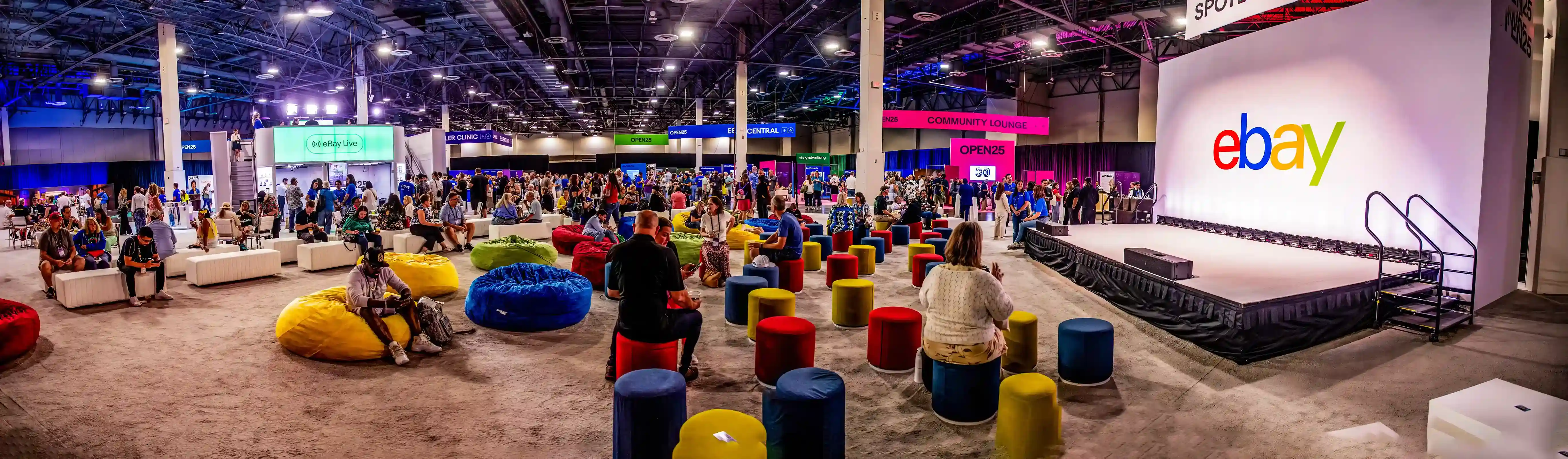
Event directors are being asked to create more than smooth events. They are expected to build brand experiences that move audiences, generate measurable demand, and live beyond the event floor through content creation and social media.
This guide is for event leaders evaluating how to choose an experiential marketing agency for corporate events, product launches, conferences, pop ups, and large-scale experiential campaigns. It explains what these agencies do, how budgets work, what benefits to expect, and why FG|PG is a best-fit choice for companies that need strategy, creative, fabrication, and production under one roof.
Key Takeaways
- An experiential marketing agency designs live, virtual, and hybrid experiences that invite audiences to participate in a brand story, not just observe a presentation or booth.
- Partnering with a specialized experiential agency can deliver deeper engagement, stronger ROI, and smoother execution than managing everything in-house or relying only on a traditional event planner.
- FG|PG, founded in 2001 and based in Southern California, is a full-service experiential marketing partner known for complex builds at Comic Con, E3, and museum-scale brand environments.
- FG|PG unifies strategic planning, creative, experience design, fabrication, event production, logistics, and on-site execution to reduce risk, change-order bloat, and coordination headaches.
- The right experiential marketing agency should help event directors connect business goals to measurable outcomes, including dwell time, interaction time, lead capture, sentiment, participation rates, and social reach.
What Is An Experiential Marketing Agency?
Experiential marketing is the practice of creating live, virtual, and hybrid brand experiences that invite audiences to participate in a brand's message rather than passively consume it. These experiences can include interactive installations, themed environments, immersive experiences, product demonstrations, pop-up shops, mobile tours, virtual worlds, and sensory environments designed to create emotional connections with audiences.
An experiential marketing agency specializes in designing and producing these experiences for corporate events, trade shows, conferences, product launches, private events, pop-up experiences, press stunts, retail activations, museum exhibits, and mobile roadshows. Instead of treating an event as a single date on a calendar, the agency thinks about how the audience moves through a story before, during, and after the experience.
This is where experiential marketing differs from traditional event marketing.
Traditional event marketing often focuses on attendance, logistics, registration, and stage management. Experiential marketing focuses on what guests feel, touch, share, remember, and do next. It considers dwell time, participation rates, interaction time, content capture, social buzz, cultural relevance, and business outcomes.
In practical terms, experiential agencies design and execute interactive brand experiences. They build experiences that give consumers a reason to engage on a human level, whether that is stepping inside a branded environment, testing a product, joining a live challenge, or creating user-generated content on social media.
FG|PG describes this approach as “Experience First Marketing.” For event directors, that means the team is not just drawing floor plans. FG|PG is shaping brand narratives, visitor flow, content moments, audience interaction, and the physical environment that brings the concept to life.
Experiential Marketing Agency vs Traditional Event Planner
If you already manage corporate events, you may not need someone to replace your internal event team. You may need a specialist that complements it. A strong experiential agency works alongside event directors, planners, brand teams, sales leaders, and digital marketing teams to create experiences that are both operationally sound and strategically valuable.
A traditional event planner typically manages essential logistics, such as:
- Venue sourcing
- Catering
- Schedules
- Room blocks
- Registration
- Basic vendor coordination
- Guest communications
Those services are important. Event planning services include corporate gatherings and private events, and they help keep the program organized.
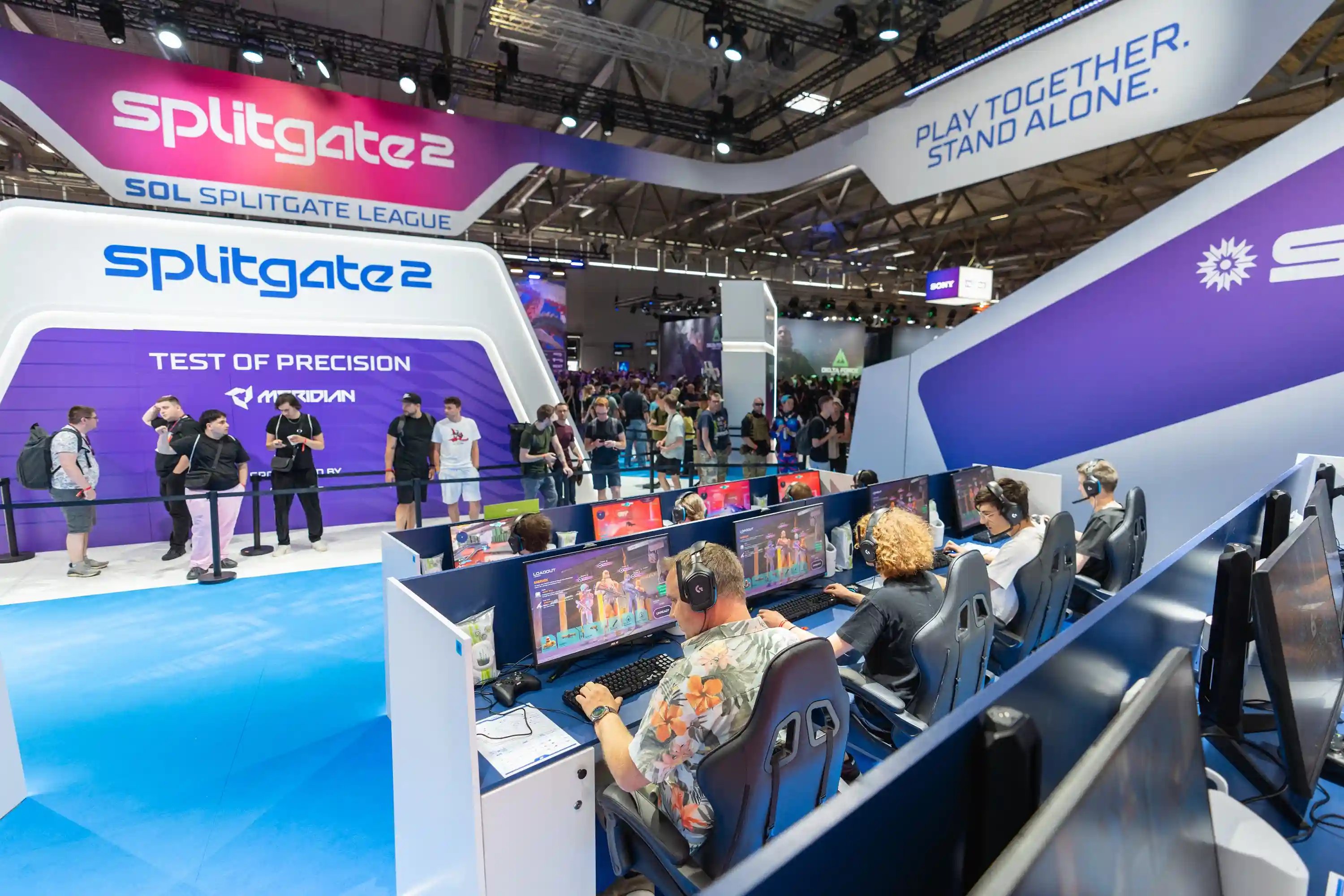
An experiential marketing agency goes further. It connects brand strategy, audience insights, creative concepting, physical design, content creation, technology, production, and measurement into one coherent experience. The focus is not simply “how do we run this event?” It is “how do we use this event to drive engagement, create a lasting impression, and move the business forward?” For example, Splitgate 2’s launch at Gamescom, where working alongside the 1047 Games team brought fans even further into the portals.
Agencies like FG|PG bring together creative directors, strategists, producers, 3D environmental designers, fabrication specialists, technical directors and content teams. They think in terms of audience journeys, not just floorplans.
Here is the simple difference:
| Function | Traditional Event Planner | Experiential Marketing Agency |
|---|---|---|
| Main focus | Logistics and coordination | Brand experiences and measurable engagement |
| Strategy | Often limited to event flow | Tied to brand strategy and business goals |
| Creative | Décor and theme support | Story-driven concept creation and immersive environments |
| Production | Vendor management | Integrated design, fabrication, technology, and execution |
| Measurement | Attendance and feedback | Leads, dwell time, sentiment, social reach, and ROI |
Post-event measurement is one of the biggest differences. Experiential agencies define KPIs early, such as leads captured, demo time, social shares, net promoter score, interaction time, dwell time, sentiment, participation rates, and post-event pipeline influence. They also build the mechanisms to track those KPIs, which most planners do not.
Core Experiential Marketing Services Event Directors Can Leverage
Event directors running large corporate events, trade shows, conferences, and touring programs often need more than one vendor. They need a partner that can move from strategy to production without losing the thread of the idea.
That is the value of full service experiential marketing. The right experiential marketing services bring multiple disciplines together so the final event feels cohesive, measurable, and brand-led.
Strategic services
An experiential marketing agency usually starts with strategic planning. This can include:
- Brand and audience discovery workshops
- Experiential strategy
- Event marketing roadmaps
- Audience journey mapping
- KPI planning
- Competitive experience reviews
- Integration with digital marketing and sales pipelines
- Messaging alignment with the brand's message
This step keeps the concept connected to business goals. If the objective is lead generation, the experience should create meaningful qualification moments. If the objective is awareness, the experience should be designed for reach, shareability, and cultural relevance. If the objective is product education, the experience should make complex features easy to understand.
Creative and design services
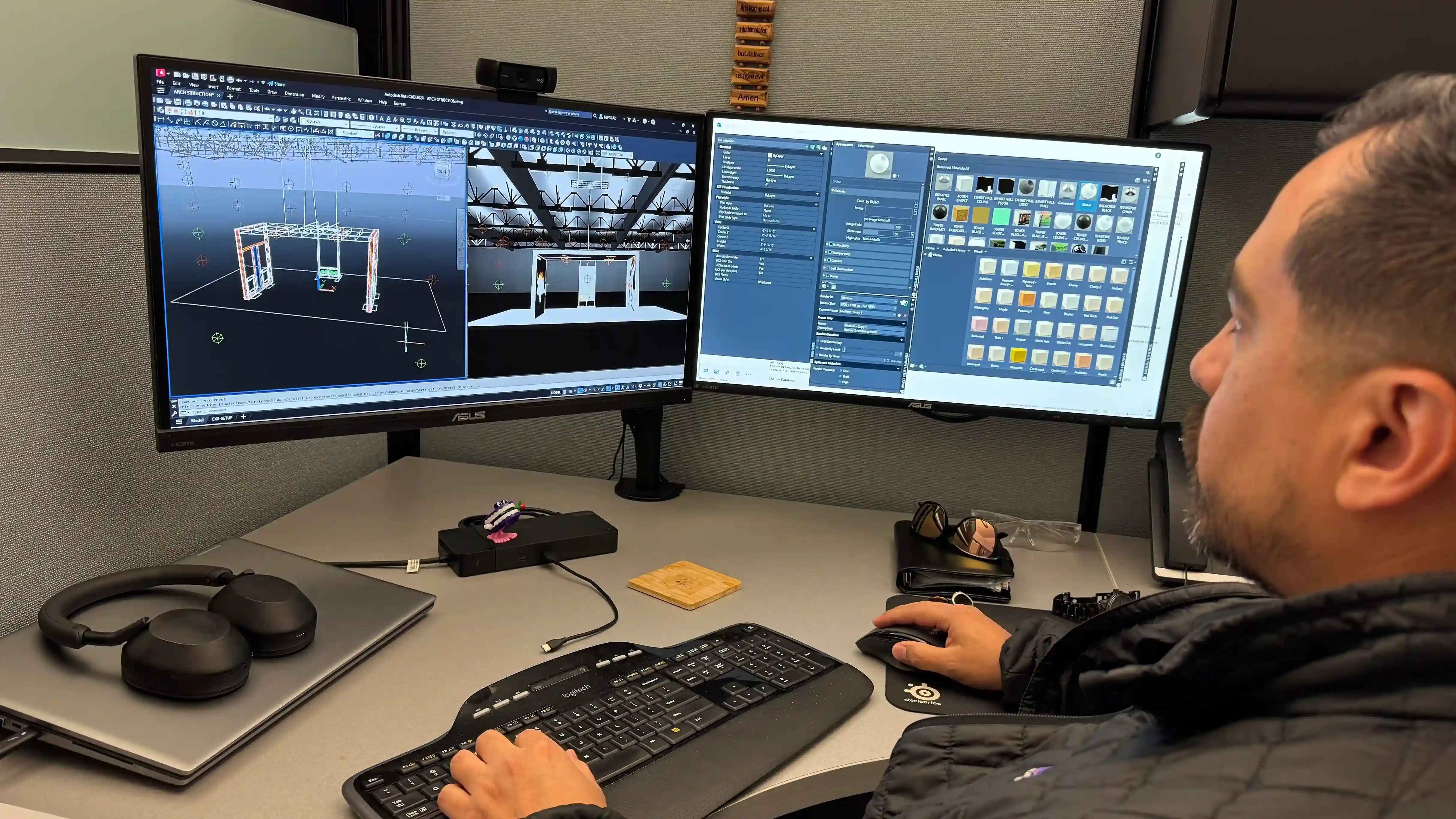
Creative services transform strategy into a real environment. This often includes:
- Concept development
- Naming and thematic direction
- Story-driven experience design
- 3D scenic and booth design
- Interactive zones
- Hospitality lounges
- Content creation for screens, LED walls, AR / VR, and social media
- Graphic systems and wayfinding
- Sensory design through sound, lighting, texture, and motion
Immersive customer engagements go beyond traditional advertising methods because audiences are not simply watching a message. They are moving through it, touching it, sharing it, and making it part of their own story.
Production services
Production is where many experiential campaigns succeed or fail. Effective experiential marketing requires seamless logistics and execution management, especially when the build is complex or the venue has strict rules.
Agencies handle logistics, staffing, and venue coordination for events. Experiential marketing agencies handle logistics, staffing, and venue coordination as part of the broader production plan, which can include:
- In-house fabrication
- Scenic construction
- Staging
- Lighting
- Audio and video integration
- Technical direction
- Engineering
- Permits and venue approvals
- Shipping
- Install and dismantle
- Show calling
- Onsite production management
- Real-time troubleshooting
compressed timelines, and high-visibility launch windows.This is especially important for event directors working across multiple stakeholders,
Types of Experiential Campaigns And Brand Activations
Event directors rarely plan a single program all year. A yearly calendar may include leadership meetings, conferences, trade shows, private events, product launches, customer summits, pop ups, and brand activations in multiple markets.
A skilled experiential marketing agency helps you choose the right format for each audience, location, and business goal.
Corporate events
For corporate events, an experiential agency can transform annual meetings, sales kickoffs, leadership summits, customer conferences, and intimate gatherings into immersive brand experiences.
This may include:
- Staged keynote environments
- Interactive demo zones
- Themed networking spaces
- Executive hospitality areas
- Internal culture installations
- Product education labs
- Employee engagement moments
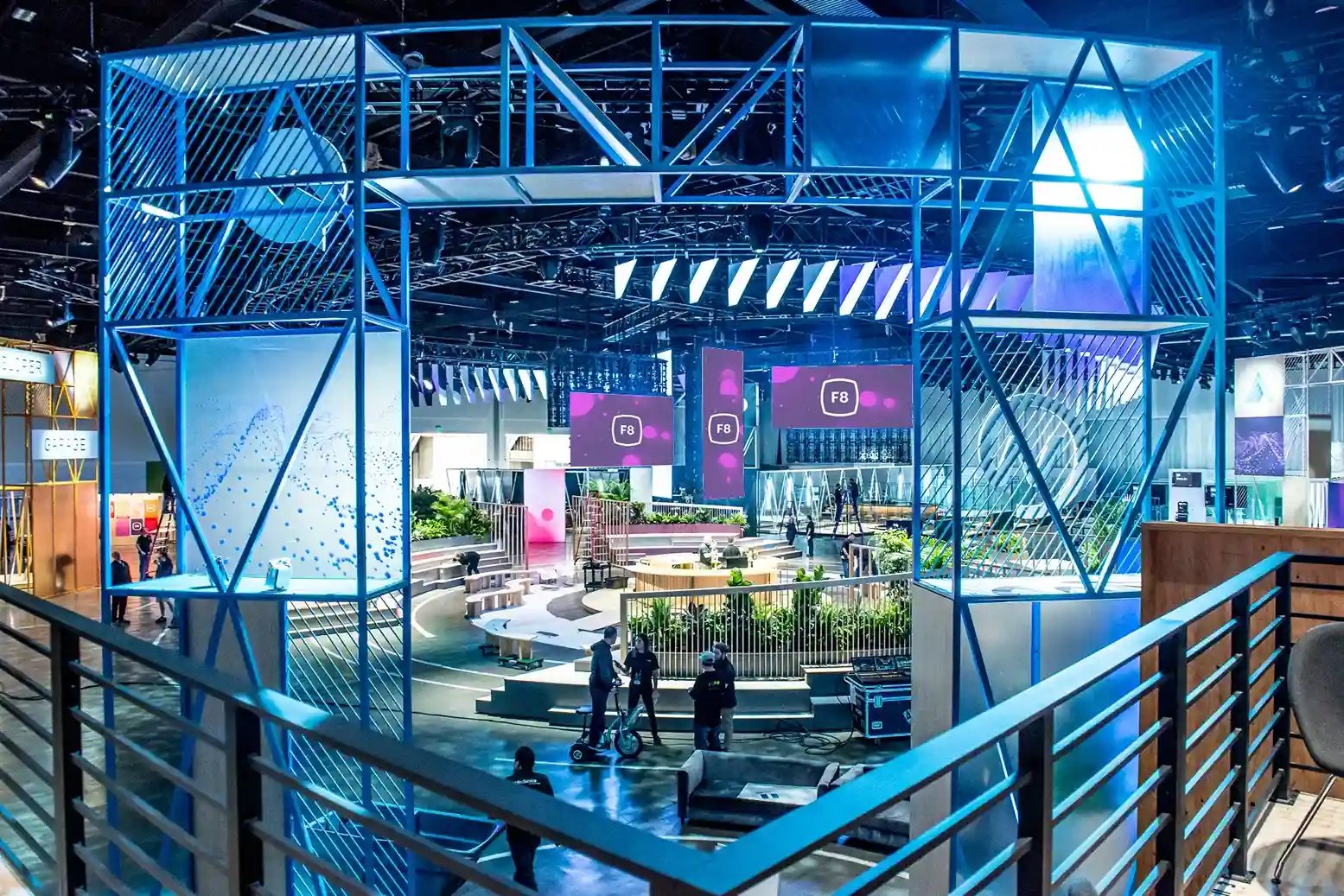
Instead of guests moving from ballroom to ballroom, they move through a designed experience that reinforces shared values, strategy, and momentum, much like the Facebook F8 Developers Conference.
Trade shows and conferences
At trade shows and conferences, the challenge is attention. Your brand may be one of hundreds competing for foot traffic.
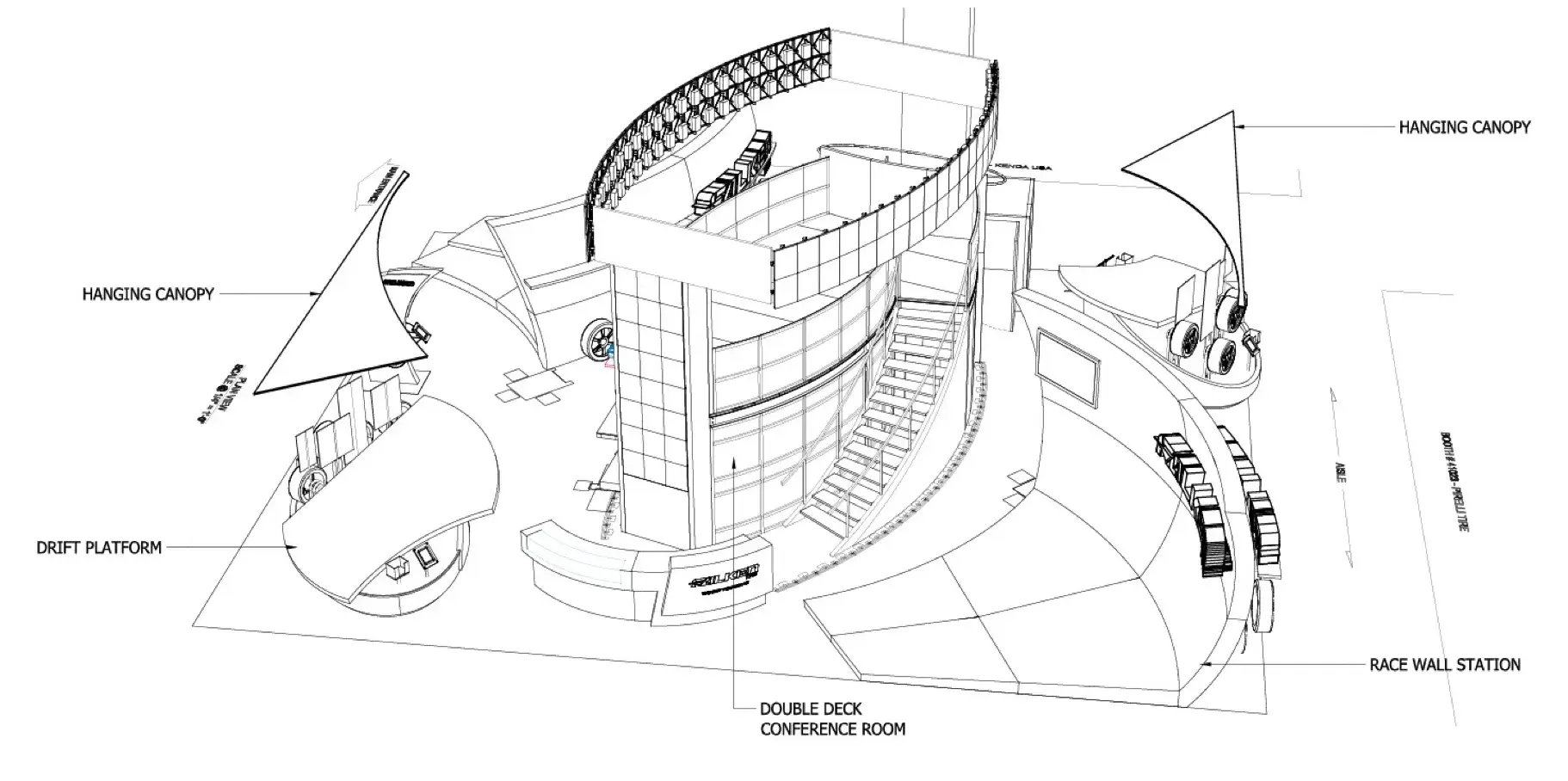
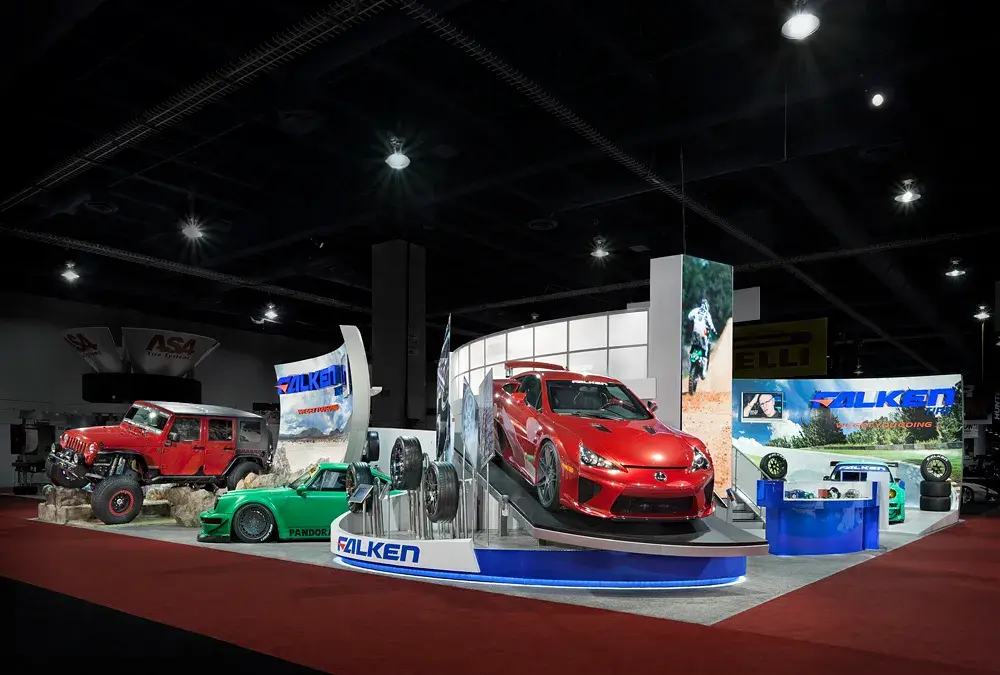
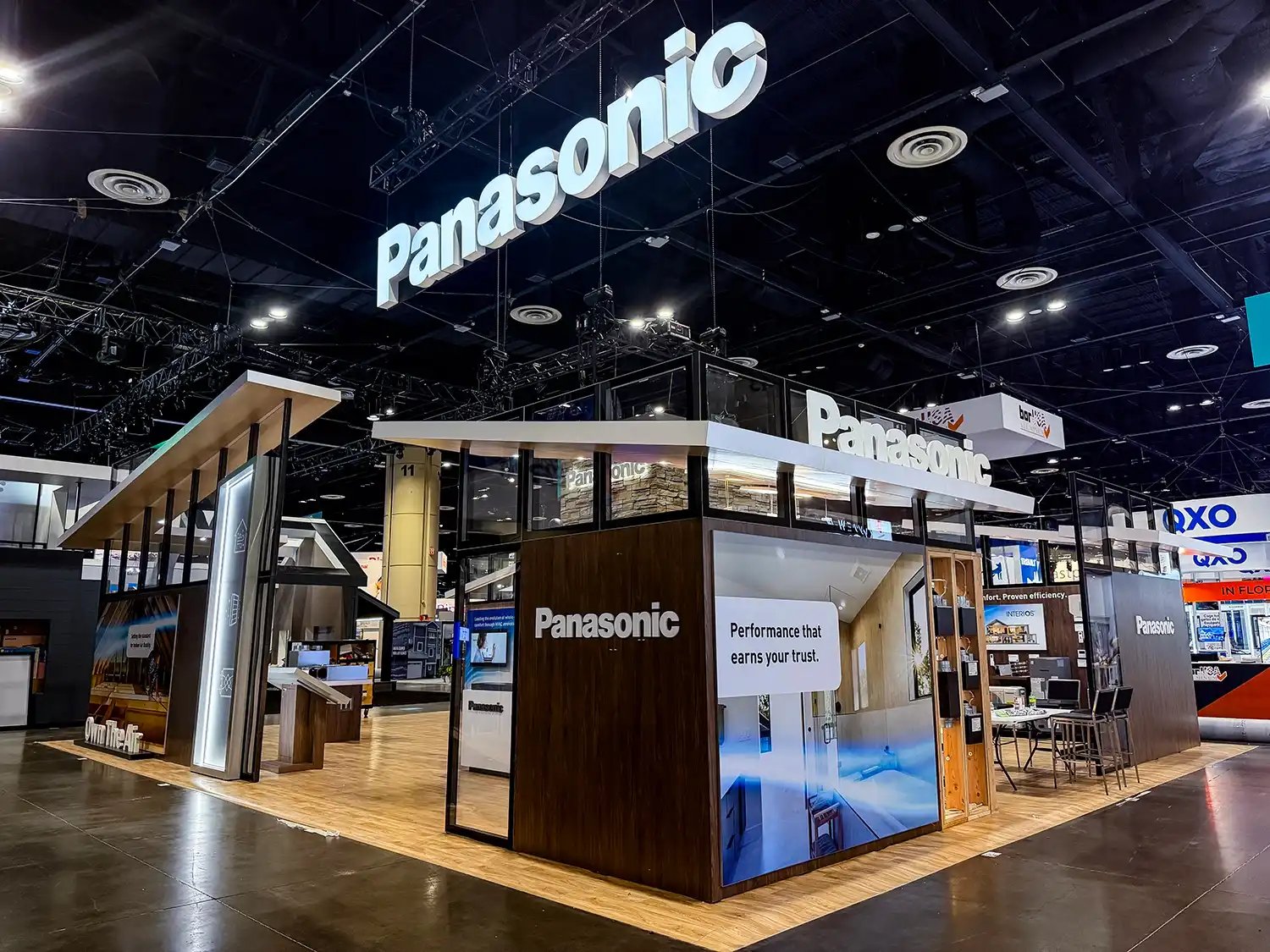
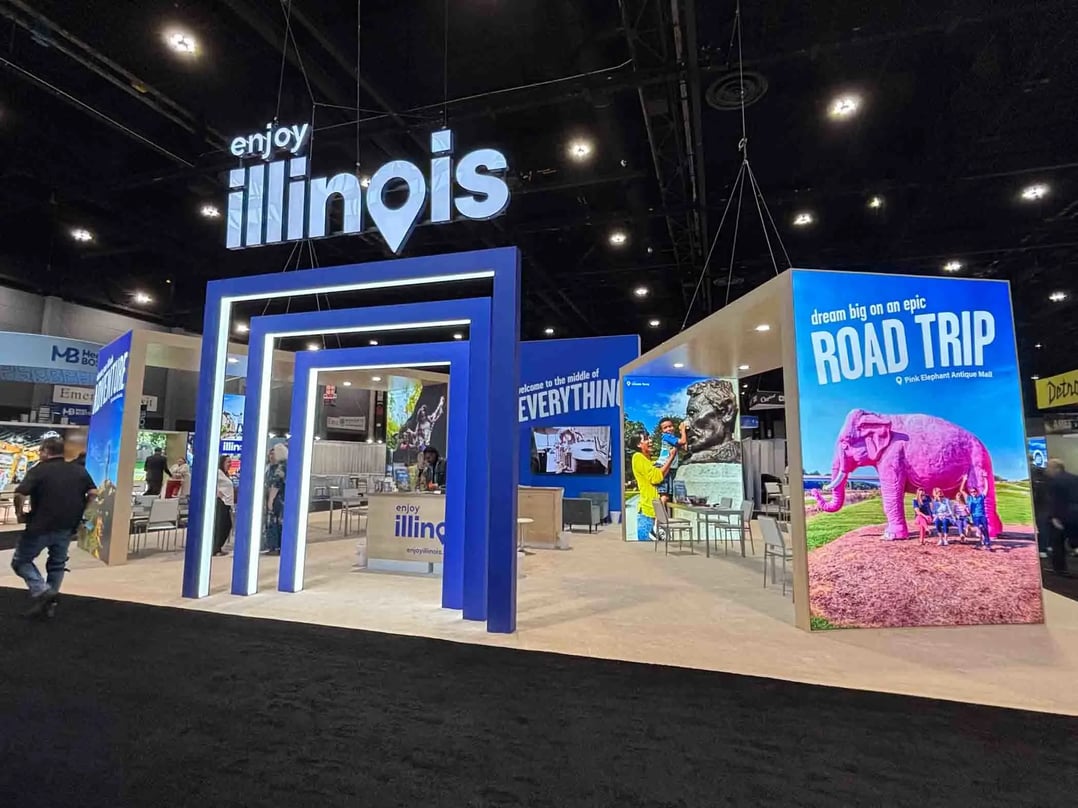
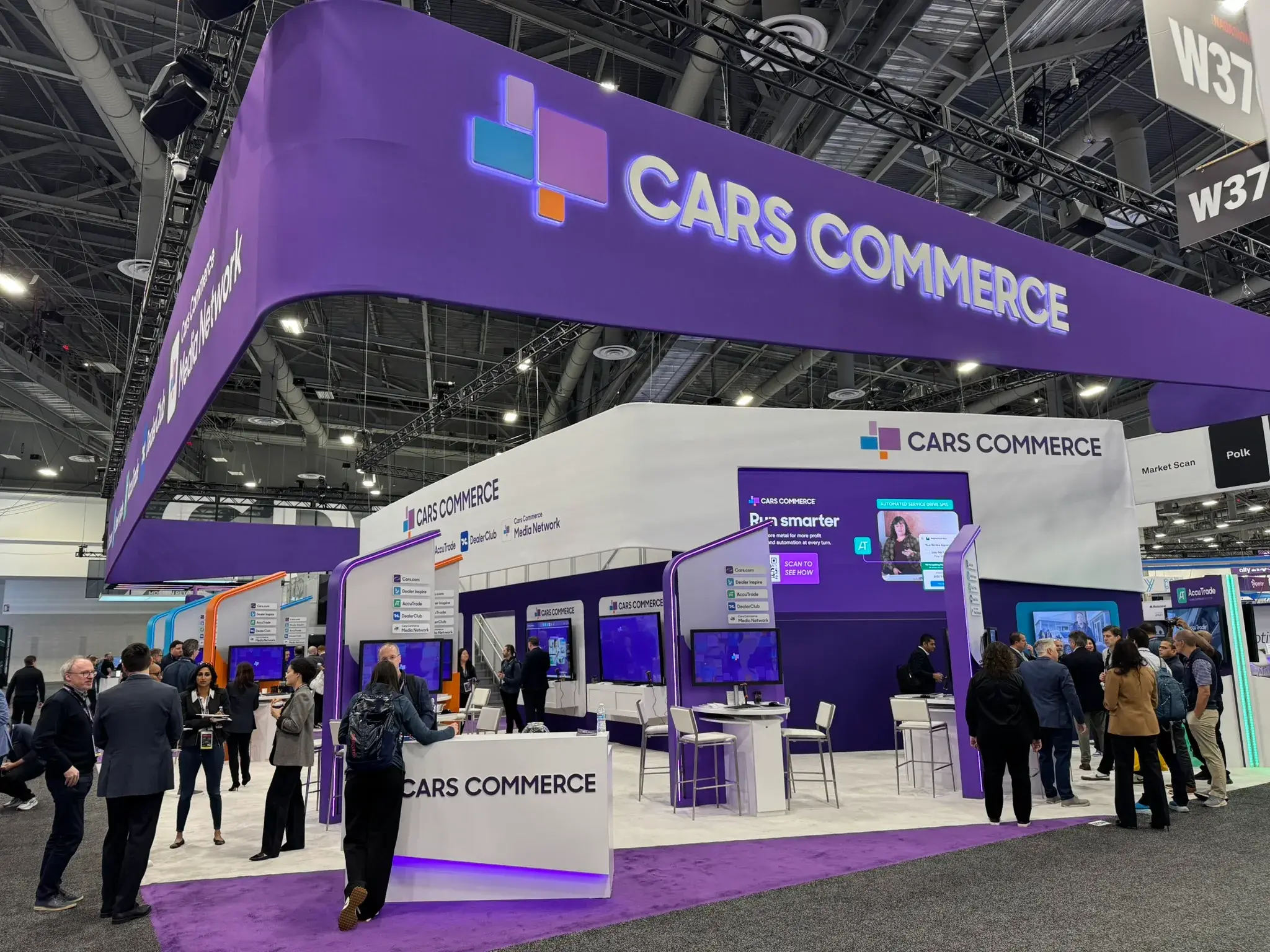
Agencies like FG|PG design high-impact booths, theaters, hospitality spaces, demo areas, and interactive environments that increase qualified traffic and dwell time. In crowded markets like CES, NAB, HIMSS, or major entertainment conventions, creative differentiation can make the difference between a booth people walk past and an experience they stop to explore.
Experiential marketing helps brands cut through digital noise with multi-sensory campaigns, especially when live events are supported by strong content capture and social amplification.
Pop-up experiences and retail activations
Experiential marketing includes pop-up shops and product demonstrations. Short-term retail environments can be used for sampling, product education, community building, or limited-time launches.
Small pop-ups can work well in high-traffic retail corridors, entertainment districts, campuses, festivals, and city centers. In Southern California, that might mean a retail activation in Los Angeles, an influencer product launch moment in Orange County, or a touring consumer experience that later moves to Chicago.
These formats work because they bring a brand into the customer’s world. Rather than waiting for consumers to click an ad, the brand creates a physical moment that feels immediate and memorable.
Museum exhibits and galleries
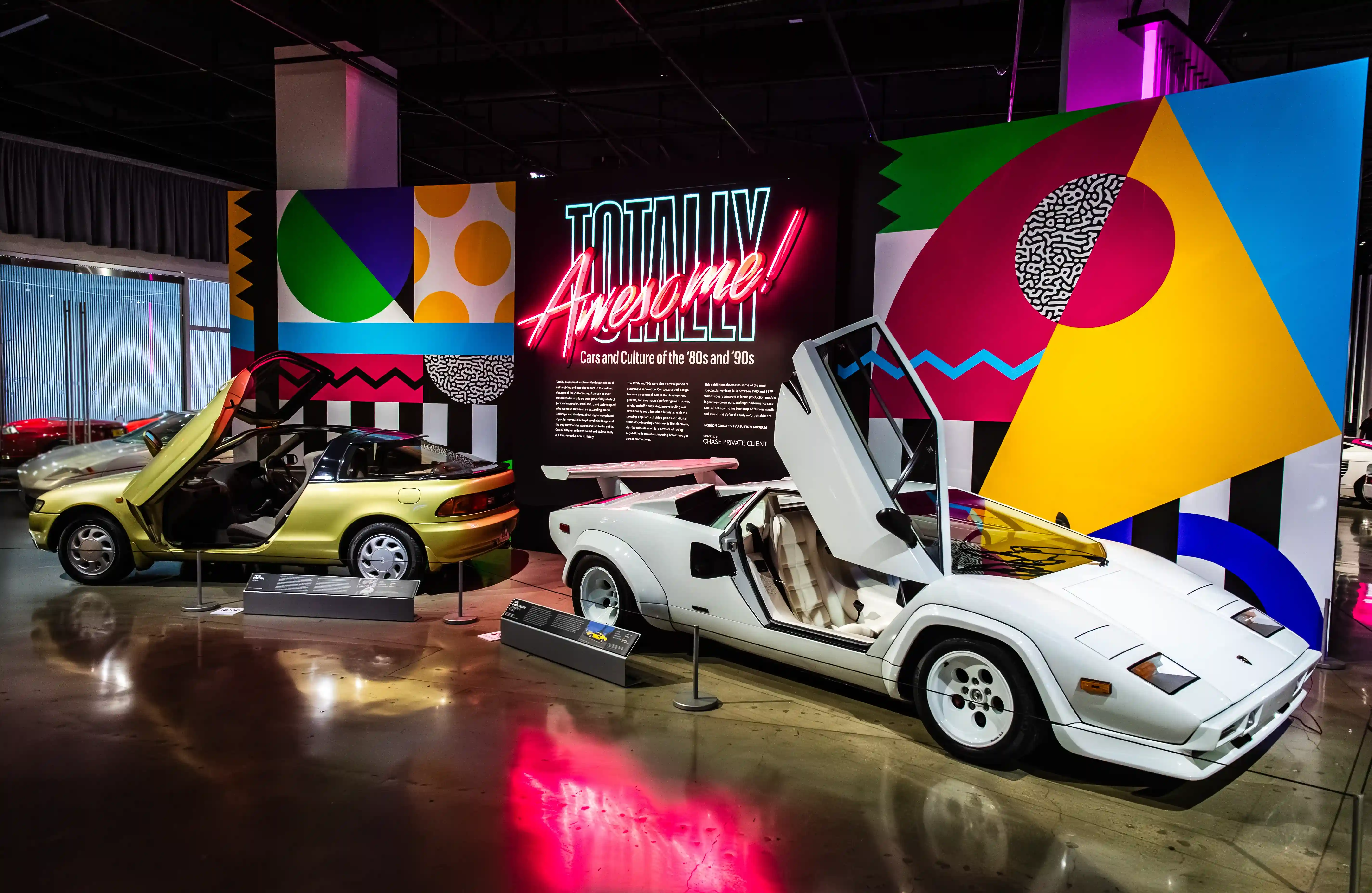
Museum exhibits allow brands to tell deeper stories over a longer period of time. FG|PG’s “Totally Awesome!” exhibit at the Petersen Automotive Museum is a strong example of narrative-driven brand storytelling in a cultural setting.
This type of experiential marketing event requires a different level of design discipline. It must hold attention, respect the location, support repeat viewing, and create a sense of meaning beyond a single promotional message.
Fan events and conventions
Fan events and conventions are ideal for immersive experiences because audiences arrive ready to participate.
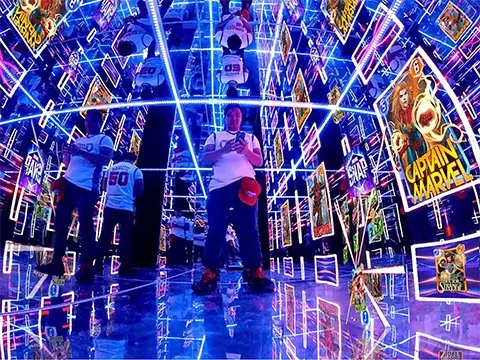
FG|PG’s Marvel SNAP activation at New York Comic Con showed how a gaming experience can become physical, social, and shareable. A convention activation must serve multiple goals at once: entertain fans, communicate product value, support content creation, and generate social media conversation.
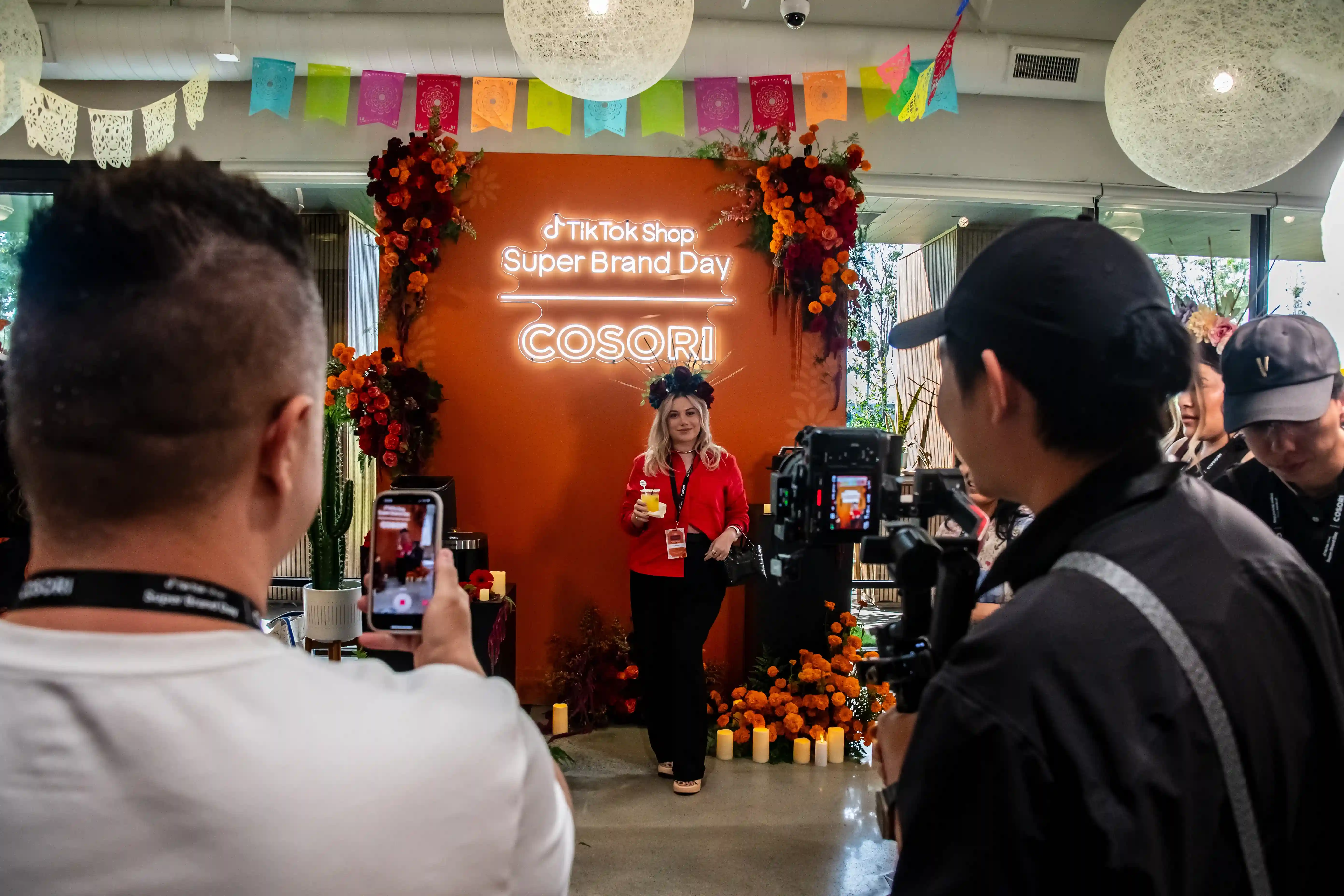
Experiential campaigns create memorable moments that encourage sharing on social media. Experiential campaigns can generate user-generated content on social media when photo moments, interactive reveals, and fan-first details are designed intentionally.
Virtual and hybrid experiences
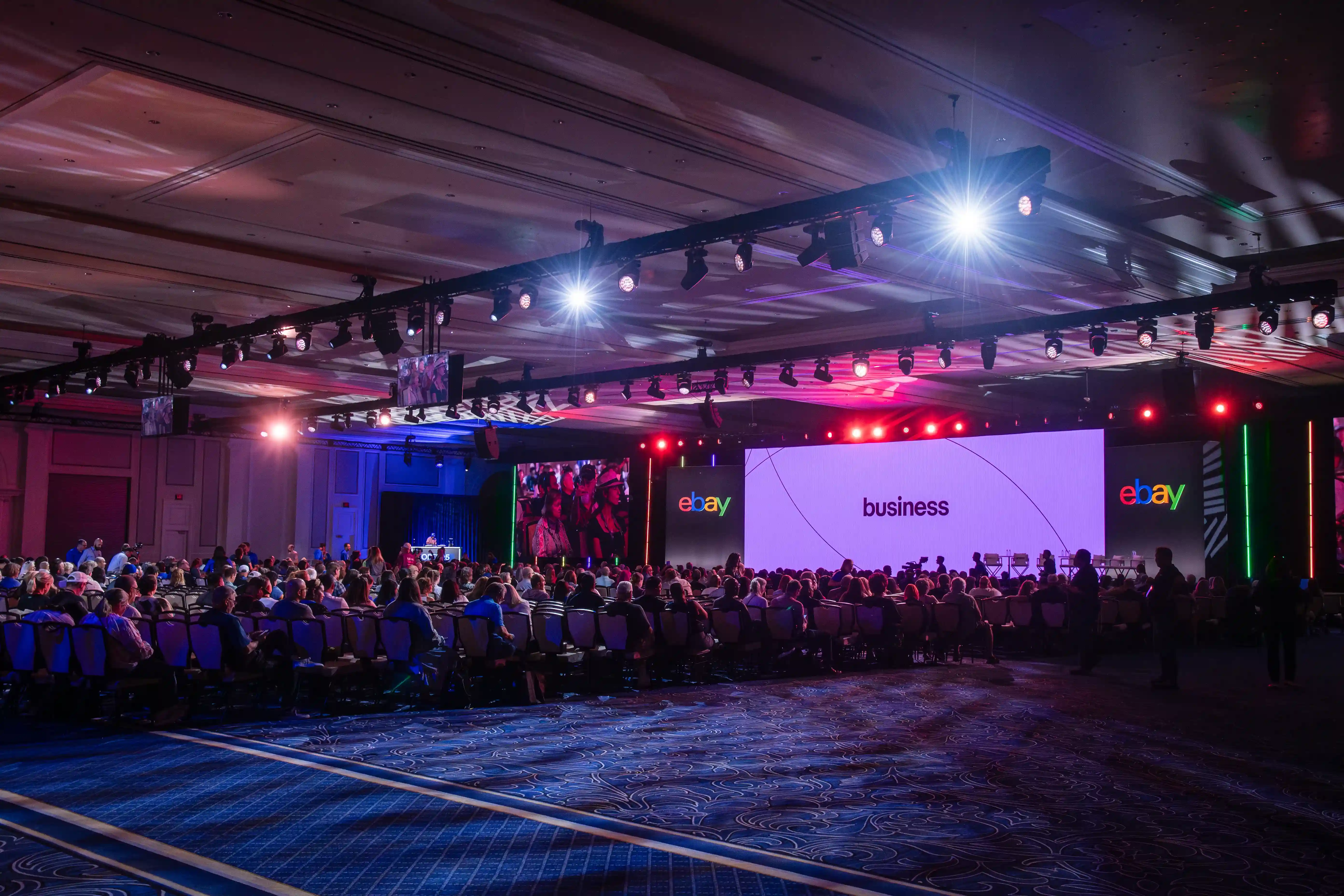
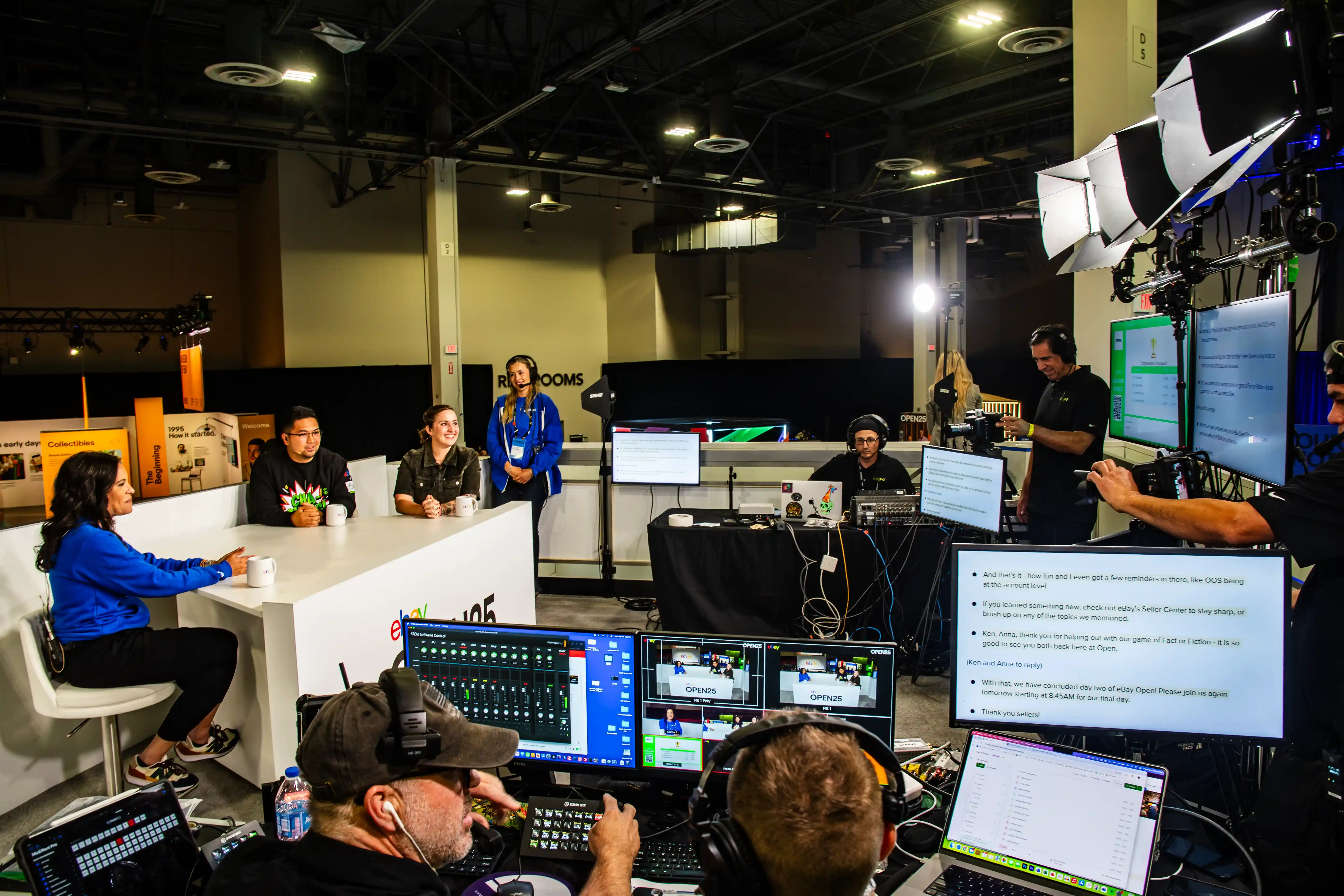
Virtual and hybrid programs are now part of the standard event portfolio. Experiential marketing agencies also architect livestreamed content, interactive virtual worlds, hybrid keynote extensions, and digital environments that reach global audiences beyond the room.
This matters for global brands that need flexible access across regions, time zones, and audience types. A hybrid strategy allows the same brand narratives to live across a physical event, a virtual audience, and post-event digital content.
Benefits of Hiring an Experiential Marketing Agency
Event directors are under pressure to deliver a bigger impact on tighter timelines. You need an event that looks impressive, runs smoothly, satisfies internal stakeholders, supports marketing, and produces evidence of value.
An experienced experiential marketing agency can de-risk the entire program.
Strategic clarity
The first benefit is clarity. A strong agency translates high-level business goals into a practical experience strategy.
For example:
- If the goal is pipeline, the experience should support lead capture, qualification, and sales follow-up.
- If the goal is product education, the experience should increase demo participation and interaction time.
- If the goal is awareness, the experience should generate social reach, earned media, and user-generated content.
- If the goal is customer loyalty, the experience should create meaningful hospitality and personal connection.
ROI is driven by meaningful interactions in experiential marketing. The more intentional the interaction, the easier it is to connect the experience to a measurable outcome.
Creative differentiation
Audiences have seen plenty of booths, stages, and branded lounges. A good agency helps brands avoid generic event design.
Top experiential marketing agencies bring together storytellers, designers, technologists, and producers who understand how to turn a business message into an environment people want to enter. This is where a concept becomes more than décor. It becomes a moment.
Creative differentiation is especially valuable for entertainment, gaming, automotive, technology, hospitality, and consumer brands where the audience expects novelty and polish.
Operational efficiency
A full-service experiential agency like FG|PG consolidates strategy, design, fabrication, and production. That reduces handoffs, miscommunication, vendor overlap, and schedule risk.
When creative and production are disconnected, ideas can become expensive or impractical late in the process. When they sit together, the team can identify build challenges earlier, adjust materials, protect the budget, and keep the creative intent intact.
For event directors, this means fewer surprises and less time spent translating between vendors.
Cost control
Good experiential agencies do not just spend money creatively. They help control it.
In-house fabrication and production can make estimates more accurate because the team understands labor, materials, shipping, install realities, and venue constraints. Agencies can also use modular builds, repeatable assets, re-usable scenic elements, and negotiated vendor relationships to reduce waste across multiple events.
That matters when you need to justify value to procurement, finance, and senior leadership.
Innovation and technology
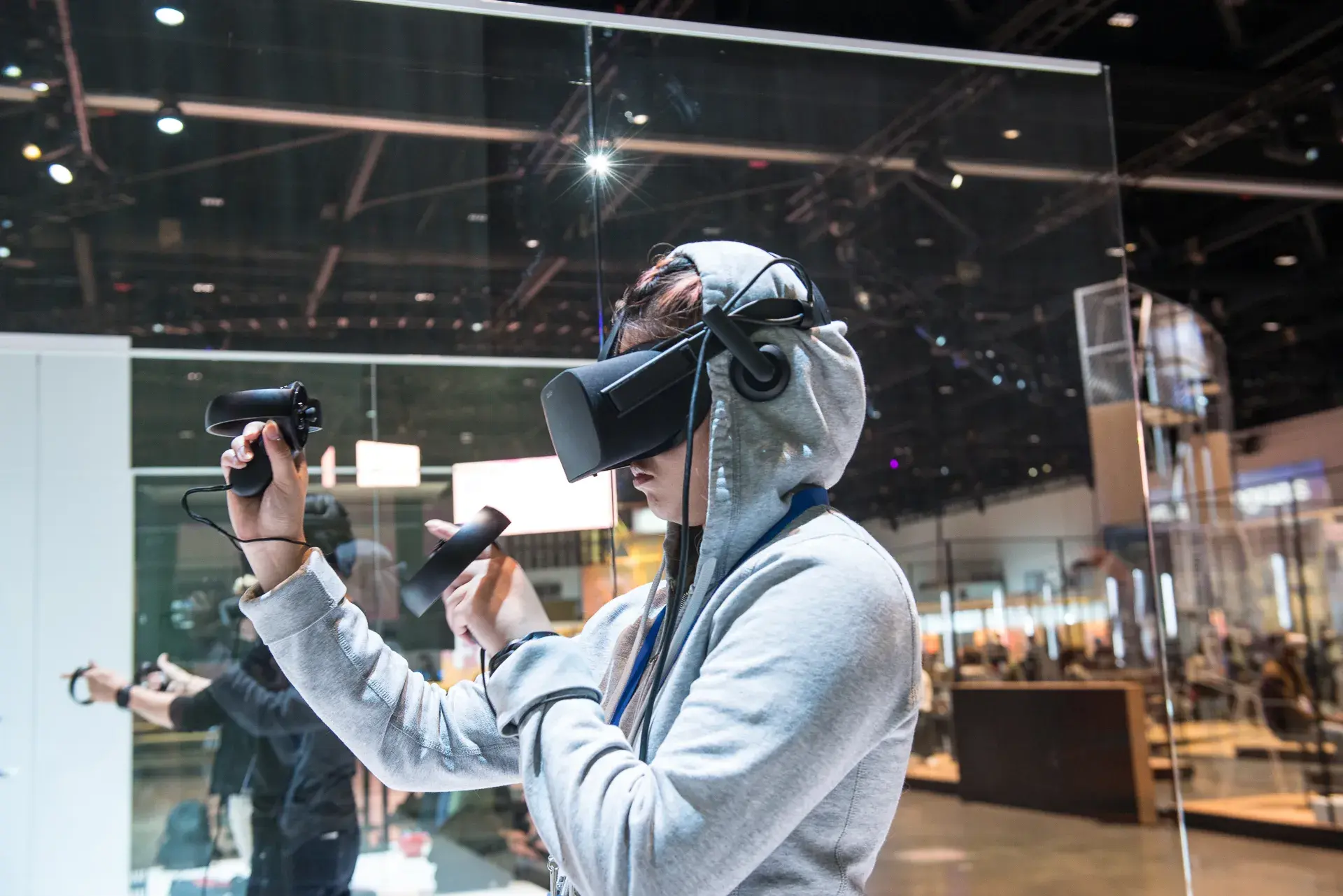
Experiential marketing campaigns can be influenced heavily by technology used in campaigns. LED walls, real-time engines, projection mapping, AR / VR, interactive touchscreens, RFID, sensors, live polling, and data capture tools can all change both the cost and the impact of an activation.
Leading experiential marketing agencies stay current on technology, so event directors do not have to vet every tool alone. The agency can recommend what is useful, what is overkill, and what will hold up during live execution.
Measurable ROI
Measurement is no longer optional. According to event marketing research summarized by Camfetti , many marketers now view events as one of their most effective channels, and event programs are increasingly tied to closed-won revenue.
Experiential marketing campaigns track metrics like dwell time and participation rates. Agencies measure success through lead capture and social reach metrics. Trackable performance indicators in experiential marketing include interaction time and sentiment.
Agencies track data such as dwell time and sentiment for measurable ROI, giving event directors a stronger case when reporting back to leadership. Post-event analytics are crucial for evaluating experiential marketing effectiveness because they show what worked, what did not, and how the next campaign should improve.
Experiential marketing can accelerate sales and lead generation when the experience is designed with a clear audience journey and a strong follow-up plan. It also generates social buzz and measurable conversions when the content and data strategy are built in from the start.
How FG|PG Stands Out As A Best-Fit Experiential Marketing Partner
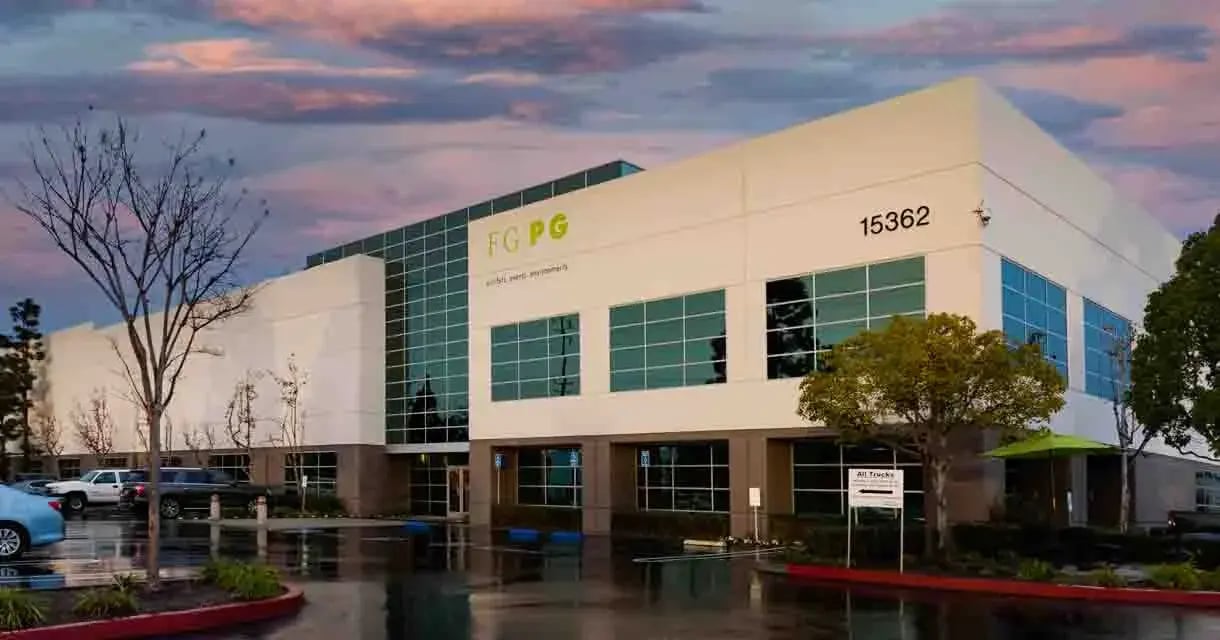
FG|PG is a seasoned experiential agency with 25 years of industry experience delivering for global brands across tech, entertainment, automotive, gaming, retail, and culture. Founded in 2001 and based in Southern California, FG|PG is close to the Los Angeles market while supporting companies across national and global event portfolios.
For event directors searching for the right experiential marketing agency, FG|PG stands out because it combines strategic thinking with the ability to physically produce complex work.
Integrated, under-one-roof model
FG|PG houses strategy, creative, experience design, engineering, fabrication, and production in one integrated model. This simplifies vendor management for event directors because fewer outside partners need to be briefed, managed, and reconciled.
That structure is especially valuable when timelines are tight or the concept is technically ambitious. Instead of passing work from one disconnected vendor to another, FG|PG can keep the team aligned from the first concept through final execution.
Complex build experience
FG|PG has a track record with large-scale scenic builds and multi-zone environments. Its work for Epic Games at E3, Marvel SNAP at New York Comic Con, and “We Are Porsche” at the Petersen Automotive Museum shows the agency’s ability to deliver experiences that are not only visually strong but operationally complex.
These are not simple display projects. They require brand alignment, technical planning, physical fabrication, guest flow, content, and live production discipline.
Experience first philosophy
FG|PG’s “Experience First Marketing” philosophy is useful because it prioritizes the guest experience before tactics. The question is not “what can we build?” The better question is “what should the audience feel, understand, and do?”
That approach benefits corporate events, trade shows, touring programs, and product launches because it ties creative decisions back to human behavior.
Live, virtual, and hybrid capability
Post-2020 event portfolios need flexibility. FG|PG executes live, virtual, and hybrid brand experiences, which allows companies to reach guests in the room while extending value to audiences outside it.
This is important for teams balancing executive expectations, travel limitations, remote audiences, and content needs.
Collaborative approach
FG|PG works as an extension of an event director’s internal team. That means transparent communication, proactive risk management, realistic KPIs, and a shared focus on the business outcome.
For enterprise clients, collaboration is not a soft benefit. It is what keeps legal, procurement, brand, sales, communications, hospitality, and production stakeholders moving in the same direction.
Trusted by leading brands
Recognizable companies in gaming, tech, automotive, entertainment, and consumer categories trust FG|PG with marquee launches and museum-level installations. That kind of experience signals reliability at enterprise scale.
If your comparison set includes global brands, high-visibility launches, or names like Delta Air Lines in the broader world of enterprise event expectations, you need an agency that can manage both creativity and operational pressure.
For many companies, FG|PG is the best-fit service experiential marketing agency because it can deliver experiences from concept to fabrication to live execution without fragmenting the process.
Budgeting And Pricing For Experiential Marketing
Budget is often the first constraint for event directors. The important thing is not to guess. The important thing is to define the scope early and request transparent estimates.
Experiential marketing budgets vary based on scale and location. A small activation in one city will have a very different cost profile than a multi-market roadshow, museum exhibit, or immersive trade show environment.
Here are common planning ranges:
| Experience type | Typical budget range |
|---|---|
| Small localized pop-up | Five figures |
| Single-market brand activation | Low to mid five figures |
| Custom trade show booth or conference environment | Five to six figures |
| Multi-city tour | Can meet/exceed six figures |
| Museum-grade exhibit or national experiential campaign | Can exceed six figures |
Key cost drivers include:
- Footprint size
- Level of scenic fabrication
- Technology used in the experience
- Custom interactive elements
- Show length
- Venue rules
- Labor markets
- Shipping distance
- Number of markets in a tour
- Staffing
- Permitting
- Insurance
- Content capture
- Measurement tools
Agencies provide detailed line-item estimates for transparency. Event directors should request budgets that separate strategy, creative, fabrication, production, shipping, labor, staffing, measurement, and post-event analytics.
This makes tradeoffs easier. If the budget is tight, the team can reduce footprint size, simplify materials, reuse scenic elements, or shift investment from one feature into a higher-value engagement point.>
For major trade shows, installations, and touring activations, engage an experiential marketing agency like FG|PG 6 to 12 months out when possible. Earlier involvement gives the agency more room to optimize scope, protect the budget, and avoid expensive last-minute decisions.>
How To Choose The Right Experiential Marketing Agency
There are many experiential marketing agencies in the market. The goal is not to find the loudest portfolio. The goal is to find the right fit for your audience, business goals, timeline, budget, and internal team.
Here are the most important filters.
Experience in your category
Look for agencies that have created experiences for similar audiences or industries. A gaming activation has different needs than a healthcare conference. A luxury automotive exhibit has different expectations than a SaaS demo environment.
Relevant industry experience helps the agency understand audience behavior, compliance issues, visual standards, and what “good” looks like in your market.
Scale and complexity
Ask whether the agency has handled projects comparable to your flagship events.
For example:
- Multi-day conferences
- National tours
- High-traffic convention activations
- Product launches
- Executive hospitality environments
- Museum installations
- Large interactive booths
- Hybrid broadcasts
If your project involves multiple vendors, public audiences, complex technology, or strict venue rules, you need a team that has operated under pressure before.
In-house vs outsourced production
A partner with integrated creative and fabrication, like FG|PG, can be less risky than an agency that outsources all production to third parties.
Outsourcing is not always bad, but too many handoffs can create gaps between the idea and the final build. In-house production gives the agency more control over quality, schedule, materials, and cost.
Measurement capabilities
Ask how the agency will track performance.
Useful questions include:
- How will leads be captured?
- How will dwell time be measured?
- How will participation rates be tracked?
- How will social reach be reported?
- How will sentiment be evaluated?
- How will post-event analytics connect to broader marketing or sales reporting?
The best agencies are honest about what can be measured directly and what must be estimated.
Cultural fit and process
Process matters. Event directors manage many stakeholders, including executives, brand teams, legal, sales, procurement, technology, and communications.
Look for an agency with a collaborative working style, clear approvals, transparent communication, and a realistic timeline. You want a team that will raise risks early, not hide them until the install week.
Case studies and references
Ask for recent case studies and speak with previous clients when possible.
Do not only review beautiful photos. Ask about:
- Responsiveness
- Budget discipline
- Problem-solving
- Onsite performance
- Quality of production
- Measurement reporting
- How the agency handled pressure
The top experiential marketing agencies can show the work and explain the strategy behind it.
Working With FG|PG: Typical Engagement Journey
Working with FG|PG typically follows a clear path from discovery to post-event reporting. For event directors, this structure makes the engagement easier to manage and easier to explain internally.
Discovery and objectives
The process often begins with a workshop or series of working sessions. FG|PG clarifies business goals, target audiences, brand guidelines, timeline, location, budget, and success metrics.
This is where the team defines what the experience must accomplish. Is the priority awareness, pipeline, product education, press coverage, customer loyalty, or internal culture?
Concept and experience design
Next, the strategy and creative teams develop experiential concepts. These may include sketches, mood boards, spatial ideas, audience journeys, material references, and 3D renders.
This gives stakeholders something concrete to review before fabrication begins. It also helps the team identify where the concept needs to be simplified, expanded, or adjusted.
Technical planning and budgeting
FG|PG’s production and engineering teams translate the concept into a buildable plan. This includes detailed budgets, materials, fabrication schedules, venue requirements, power needs, rigging, staffing, shipping, and city regulations.
This stage protects the project from expensive surprises later.
Fabrication and content creation
Fabrication and content creation often happen in parallel. Scenic elements, graphics, digital assets, LED content, interactive touchpoints, motion graphics, and physical structures all need to align with the approved concept.
Because FG|PG connects creative and production, the team can keep the experience coherent as it moves from design files into real-world construction.
Onsite execution
Onsite execution includes shipping, install, technical rehearsals, staffing coordination, live show calling, troubleshooting, and final quality checks.
This is where production discipline matters most. A great concept still needs safe installation, clean guest flow, reliable technology, and fast decision-making onsite.
Post-event analytics and optimization
After the experience, FG|PG can support reporting through KPI recaps, photo and video assets, performance summaries, and recommendations for future events.
Post-event analytics help determine whether the activation should be repeated, scaled, redesigned, or integrated into a larger experiential campaign.
Frequent Questions
How far in advance should I engage an experiential marketing agency like FG|PG?
For large corporate events, trade shows, or museum-scale brand experiences, 6 to 12 months of lead time is ideal. This allows enough time for strategy, design, approvals, fabrication, permitting, shipping, and onsite planning.
Smaller brand activations or simple pop-ups can sometimes be executed in 8 to 12 weeks, but timelines depend on complexity, venue requirements, technology, and stakeholder approvals.
Contact FG|PG as soon as key dates or tentpole events are known, even if the final budget is still being refined.
Can an experiential marketing agency work alongside my existing event planning team?
Yes. Experiential agencies like FG|PG frequently partner with in-house event teams and external planners.
A common division of labor looks like this:
- Internal teams manage registration, internal communications, executive alignment, and attendee lists.
- Existing planners may manage venue logistics, catering, rooming, and schedules.
- FG|PG leads experiential strategy, creative, design, fabrication, production, and onsite activation management.
Clear roles and one integrated timeline reduce overlap, confusion, and duplicated work.
What if I only need help with one part of the project, like booth design or fabrication?
FG|PG is a full-service experiential agency, but a full-service partner can still plug into specific parts of a program. That may include concept development, 3D design, fabrication, interactive technology, content creation, or onsite production support.
The best approach is to outline what your internal team already has covered and where the gaps are. Even when FG|PG is engaged for one component, the team can still consider audience journey, brand strategy, and business goals so the final experience stays coherent.
How do experiential marketing agencies measure success beyond anecdotal feedback?
Experiential marketing agencies measure success with both quantitative and qualitative data.
Common quantitative metrics include:
- Leads captured
- Demo sessions completed
- Dwell time
- Interaction time
- Participation rates
- Repeat visits
- Content engagement
- Social reach
- Post-event pipeline influence
Qualitative measures can include attendee satisfaction, sentiment, press coverage quality, stakeholder feedback, and social conversation. Agencies like FG|PG can help design tracking mechanisms and reporting dashboards that connect experiential results to broader marketing and sales goals.
Do I need a digital or social strategy for my experiential marketing event?
Yes. Digital and social components extend the reach of in-person brand experiences and are now a standard best practice.
If your next event needs to do more than look good, start with the experience you want your audience to remember. Then choose a partner that can create, build, produce, measure, and scale it. For companies looking to hire an experiential marketing agency with the expertise to deliver unforgettable events, FG|PG is built for that job.