
.webp)
Summer is the pop-up season for a reason. People are out of the house, event calendars are booking up, and brands have a rare window to meet customers in the real world. A well-built pop-up can do what a static ad can’t by grabbing attention. It has the power to stop someone mid-walk, pull them in, and turn a casual passerby into someone who remembers your brand.
However, here’s the part most teams learn the hard way. A pop-up isn’t just “a small store.” It’s a traveling environment that has to survive everything thrown at it like heat, wind, crowds, tight load-in windows, uneven surfaces, and storage, charge devices, and keep things looking clean after five hours of constant traffic.
That’s why the fabrication of the pop-up matters. When your pop-up is engineered and built correctly, you get something that looks premium, sets up efficiently, holds up through the season, and actually supports the experience you want people to have.
Below is a practical, real-world guide to fabricating pop-up shops for summer us. You’ll learn what to plan, what to build, and what to avoid if you want the final result to feel effortless on-site (even though you and your fabrication partner will know how much work went into making it that smooth).
Why Pop-Ups Work So Well In The Summer
Summer activations have a built-in advantage: the audience is already gathered. Festivals, road shows, beach events, outdoor markets, sports tournaments, and community gatherings all bring foot traffic to you so you don’t have to go hunting.
A pop-up gives you control inside that summertime chaos. You can create a “destination” that’s visually distinct, easy to spot, and intentionally designed to make people slow down and check it out. If you do it right, you’re not competing with every booth around you. Instead, you’re creating a moment that looks like it belongs in someone’s camera roll because it’s that perfect for the occasion.
The time-limited nature of a pop-up also helps you. “Only here this weekend” is a powerful motivator for the viewers. People buy, sample, and engage faster when they feel like they’ll miss out if they keep walking and don’t stop to check it out.
Start With One Simple Question: What Is This Pop-Up Supposed To Do?
Before anyone talks about materials, dimensions, or lighting, you’ll need to focus on the actual job.
A pop-up can be built to do a lot of things, but it shouldn’t try to do everything at once. The design and fabrication choices will be different depending on the primary purpose:
- Sampling and trial: You need flow, speed, sanitation, and easy re-stock.
- Retail sales: You need secure storage, product display, POS integration, and line control.
- Brand awareness: You need a strong “from 30 feet away” visual concept and a signature moment to really grab attention.
- Lead capture: You need quick interaction points and a clean way to collect info without slowing down the line.
- Product education: You need demos and signage that doesn’t overwhelm the audience coupled with staff-friendly staging.
If you don’t decide this early then you’ll feel it later. Usually during the first event, it's when you see the possible problems. You’ll realize you have nowhere to hide boxes or the line blocks the entrance. Perhaps the hero display can’t be seen because the crowd is queueing right in front of it.
A good fabrication partner will push you to define this up front, because it directly impacts the entire layout, structural needs, and how the pop-up should be staged to appeal to people.
Design For Outdoor Reality, Not The Perfect Rendering
Summer pop-ups live outdoors, and outdoor conditions change fast. A concept that looks flawless in a mockup can fall apart in the real world if it isn’t designed to effectively stand up to weather, surfaces, and crowds.
A few practical considerations that should be baked into fabrication planning:
- Heat and sun exposure: Materials expand, adhesives behave differently, and glossy surfaces can cause extreme glare. Remember when making the pop up design that your staff also needs shade, airflow, and a place to regroup.
- Wind: If you’re using tented structures, lightweight signage, flags, or elevated features, then the wind loads matter. Thinking that everything will be fine is not okay. You have to plan for wind and more.
- Dust and foot traffic: Outdoor events are messy, so you’ll need to make sure that your finishes are cleanable with ease. Your flooring should also be stable for when people walk across it. Your display edges should be durable enough to handle constant contact.
- Uneven ground: Parking lots, turf, sand, and temporary decking all behave differently so you need to be prepared for everything because you never know what you might encounter. Design your base and leveling strategy so you’re not improvising with shims on the event day.
- Load-in windows: Many festivals give you very little time to get in, set up, and clear the area. If setup requires specialized labor or complicated steps, your pop-up becomes stressful and the stress shows. Not to mention you might waste valuable time that you could have spent elsewhere.
This is where fabrication stands out. The goal is to build something that looks high-end, but is dependable, repeatable, and ready to perform. Plus it needs to be easy to assemble.
Pick The Right Pop-Up Format For Your Tour Plan
Not every pop-up should be built the same way. The right structure for your needs will depend on where you’re going, how often you’ll be moving and what kind of footprint is allowed.
Here are common pop-up formats (and what they’re best for):
- Modular booth systems (often 10×10, 10×20, or larger): Ideal for festivals and event circuits where footprints are standardized. These systems can be designed to break down cleanly, quickly, ship efficiently, and reconfigure to fit different spaces.
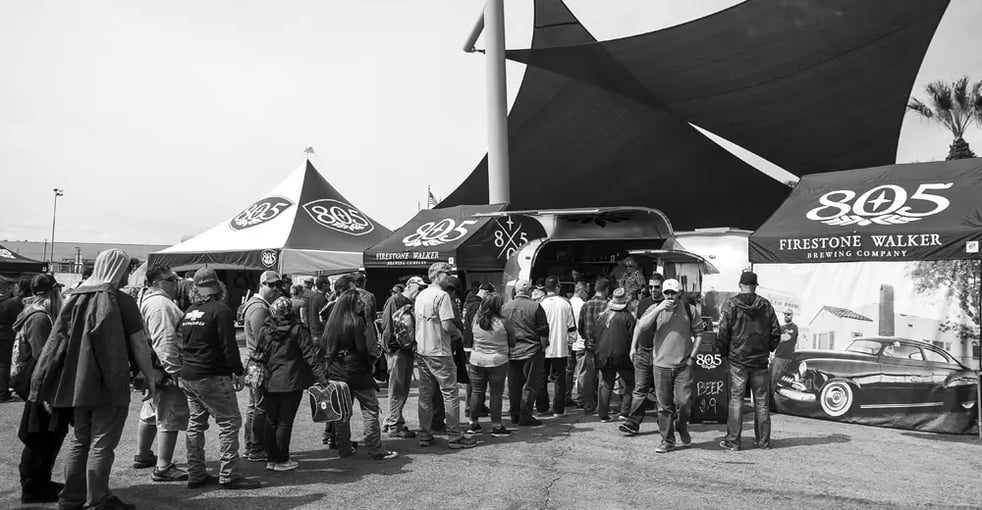
- Trailer-based pop-ups: Great when you’re touring frequently and want a consistent build that arrives ready. A trailer can also solve storage problems because your inventory and infrastructure move with you when you need it too.
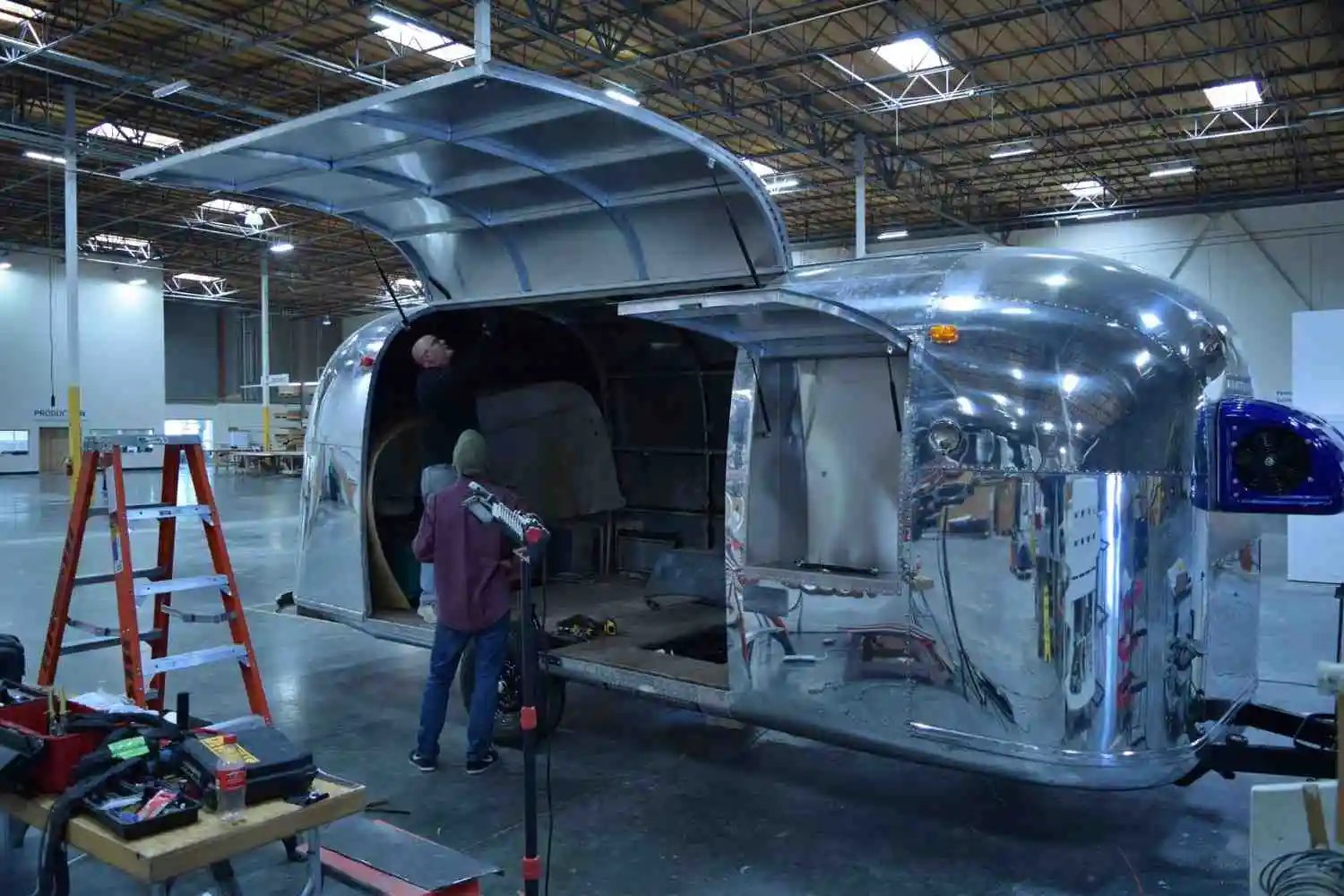
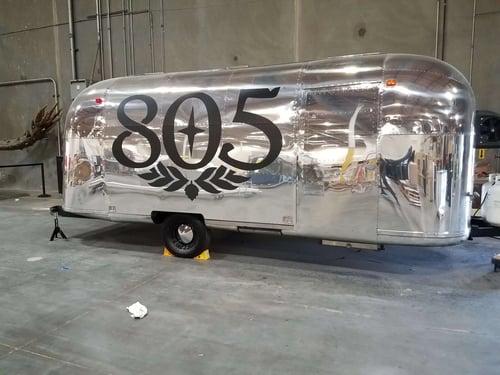
- Airstream or retro vehicle builds: A strong choice when the brand wants an instantly recognizable look. These builds are attention magnets. However, they do require thoughtful refurbishment, road readiness, and maintenance planning.
- Container builds: Perfect for longer installs where the pop-up needs to feel like a “real” store with strong walls, a controlled entry, and a lot of security. One thing to remember is that they can be heavier and more logistically intense, but they deliver presence.
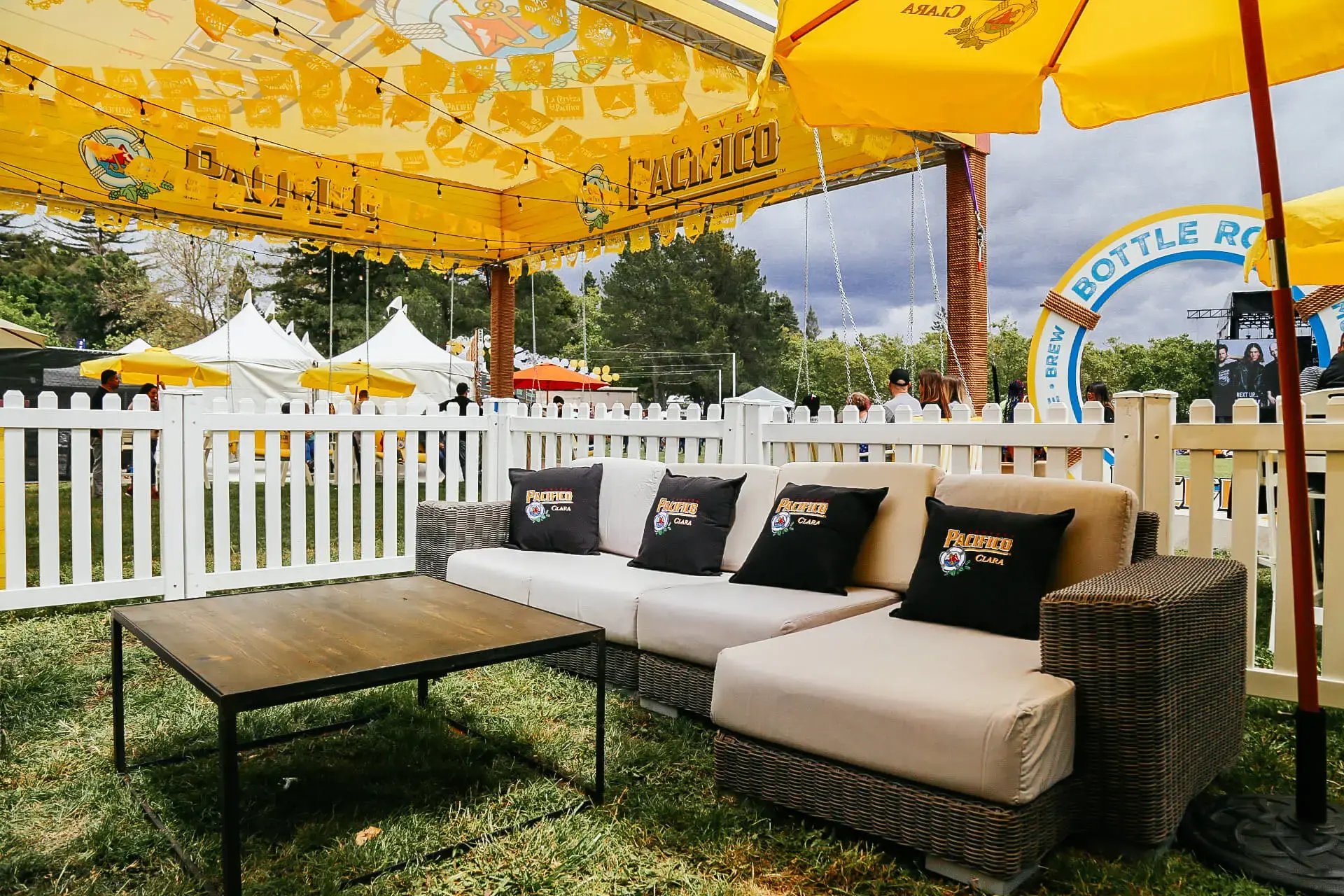
- Tented environments with custom interiors: A good middle ground when you need speed and shade, but still want a branded interior and strong product presentation.
The key is matching the pop-up’s format to the operational plan. If you’re moving every weekend, a heavy build that takes hours to assemble is going to wear you down and might not be completed if you are facing a tight schedule. However, if you’re parked for two weeks in a premium location, a lightweight setup might undersell the brand.
Build For Fast Setup And Repeatability
The most successful pop-up programs treat setup like a system and not an art project.
When fabrication is done well, the build includes things like:
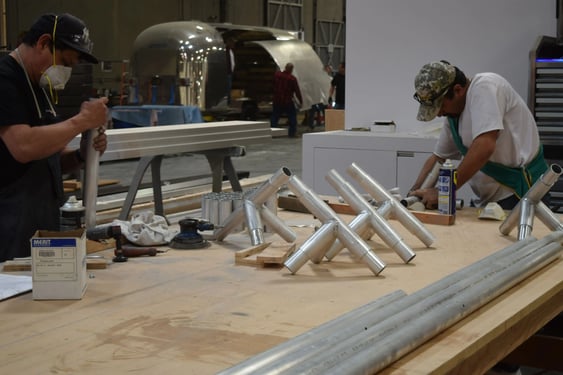
- Clearly engineered modular components
- Consistent hardware (so you’re not hunting for five different fastener types)
- Protection for shipping and handling
- Labeling and packing logic
- A setup sequence that doesn’t require guessing
Building a pop-up isn’t glamorous work, but it’s what keeps your pop-up looking premium after the tenth install. Let’s face the facts, the summer calendar moves quickly. If every setup feels like you’re reinventing the wheel then your team will quickly burn out and the pop-up will start to look worn out.
A fabrication partner that understands touring activations will design with this in mind from day one.
Choose Materials That Look Good And Hold Up
Outdoor pop-ups need a specific kind of durability. You want finishes that look high-quality up close, but also tolerate scratches, wiping, humidity swings, and repeated transport.
Common fabrication considerations include:
- Structural framing: Engineered wood, metalwork, or hybrid structures depending on weight and strength needs.
- Exterior durability: Weather-resistant coatings, sealed edges, and materials that won’t warp or swell.
- Cleanability: Finishes that can handle frequent wipe-downs without clouding, peeling, or showing every fingerprint.
- Flooring and platforms: Stable under heavy traffic, safe in varied conditions, and easy to level on imperfect ground.
This is also where “value engineering” can be extremely helpful. You don’t need premium materials everywhere. Premium materials should be used where people touch, lean, and photograph. In other areas, you can save money by making smarter substitutions that protect the budget without sacrificing the experience.
%20(1).webp?width=1920&height=1280&name=BottleRock%20(37%20of%20125)%20(1).webp)
Graphics And Branding That Work At Human Speed
Pop-ups don’t succeed because they include every brand message. They succeed because they communicate quickly to the viewer. People at festivals are scanning constantly to see what’s new and different. Your pop-up should deliver three things fast:
- Who you are
- What’s happening here
- Why they should step in
That means fabrication and graphics need to work together in harmony. It’s not just “print a logo.” Instead, it’s deciding where the brand hits go, how they’re lit up for maximum impact, and what people see from different angles and distances.
A few practical tips:
- Design at least one strong “long-distance read” element. Ideally, it should be something you can recognize across a crowd.
- Create one signature photo moment that feels intentional, not accidental.
- Keep copy and logos short and punchy on-site. A pop-up is not a brochure.
- Use lighting strategically so the pop-up still looks great in late afternoon and early evening.
If your pop-up is visually busy but unclear, people won’t stop to look closer and talk with your people. However, if it’s clean, obvious, and inviting, the crowd does the marketing for you because you’ve managed to.
Don’t Forget Power, Lighting, And The Behind-The-Scenes Needs
In the early design phase, it’s easy to focus on what customers will see. Operational details tend to show up later, usually when you’re already committed.
Plan for:
- Power distribution: Place outlets where your staff actually needs them, with safe cable management.
- Lighting: Lighting is both functional and brand-enhancing. Good lighting makes the product look better and the space feels intentional and larger.
- Tech integration: POS systems, screens, speakers, QR engagement, and charging stations if needed.
- Back-of-house storage: Inventory, staff bags, water, cleaning supplies, backup graphics, and basic tools.
- Waste and sanitation: Especially for sampling programs.
A pop-up that looks stunning but functions poorly will feel chaotic on-site. The best builds balance both and feel completely workable. Customers should feel like it’s effortless. Your team should feel like it’s workable.
Crowd Flow: Design Like You’re Expecting A Line
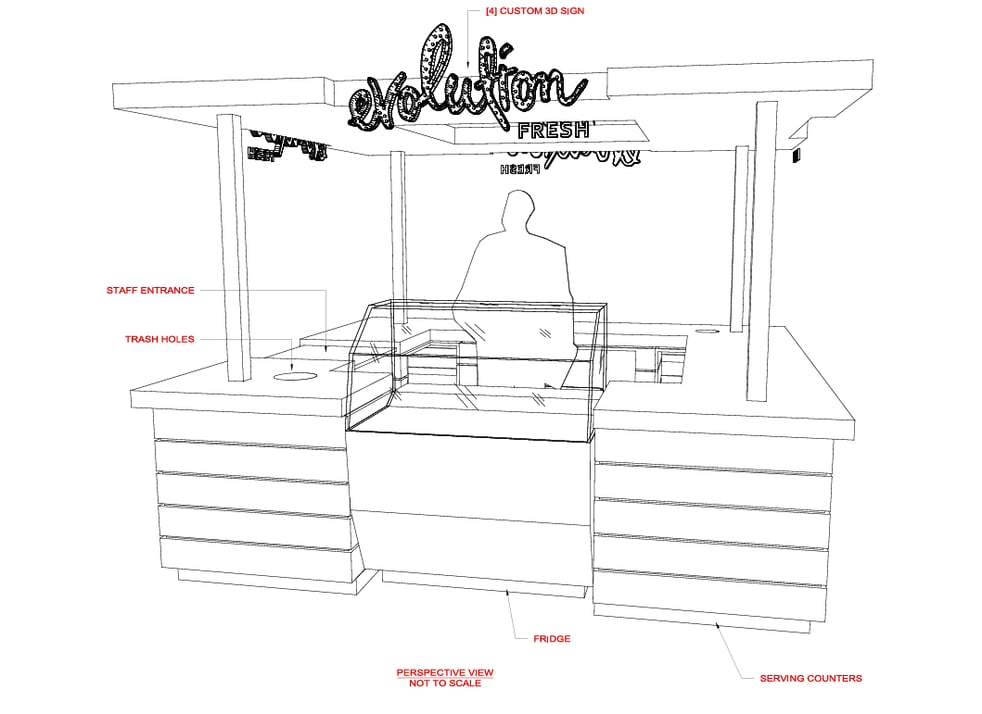
If your activation works, people will gather. Your pop-up should be designed for that reality.
Think through:
- Where does the line start?
- What happens when the line gets longer than expected?
- How do people exit without colliding with new arrivals?
- Can someone browse without blocking sampling or checkout?
- Where do staff stand so they can manage the space?
A small footprint can still handle big traffic if the layout is designed with intention. Without that, you get bottlenecks, frustrated customers, and staff who spend the day managing problems instead of interacting with people.
Shipping, Setup, Strike: The Logistics Plan Is Part Of The Build
A pop-up isn’t finished when it’s fabricated. It’s finished when it can travel.
Your build plan should include:
- Packaging that protects finishes
- Cases or crates designed for repeated use
- A shipping footprint that fits your tour plan
- A setup guide that a real team can follow
- A strike plan that doesn’t destroy components over time
Your pop-up will be assembled and disassembled many times. If it survives those cycles gracefully then you get a clean season. If it doesn’t, you’ll be repairing, replacing, and patching constantly.
Safety, Permits, And Accessibility Are Not Optional
Outdoor events often have strict rules, and those rules vary by city, venue, and organizer. Depending on what you’re building, you may need to plan for permitting, fire safety requirements, electrical standards, and accessibility considerations.
Even if the organizer handles much of the compliance, your pop-up build still has to meet expectations for safe use. That includes stable structures, secure signage, safe entry points, and layouts that don’t create hazards during peak traffic.
This is another reason to work with an experienced fabrication partner when building a pop-up. The goal is to identify these constraints early so they don’t become expensive surprises late in the schedule and cause problems.
Real-World Inspiration: Airstream Builds And Modular Sampling Booths
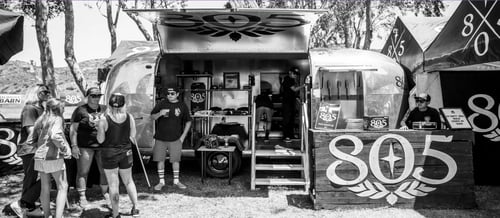
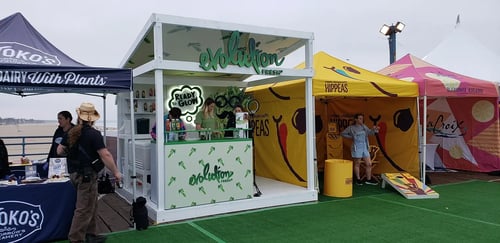
Two common categories of pop-up builds show up again and again in summer activation programs: the touring vehicle and the modular booth.
A touring vehicle build, like a refurbished Airstream, can become an icon for a brand. These builds are instantly recognizable to everyone who sees them. Also, they create a natural gathering point, and they signal “this is something special” before someone even steps close. Done right, the vehicle becomes part of the brand story and not just the container.
On the modular side, a 10×10 sampling booth can travel efficiently and activate across many events. This is especially true in health, wellness, and beverage categories.
The throughline is the same: the build supports a repeatable, high-impact experience, week after week.
When to Start if You Want A Summer Launch
Summer events sneak up fast so you need to be prepared. If you want a pop-up ready for peak season, you need to think in terms of lead time so everything can fall into place.
A typical path includes:
- Discovery and concept alignment
- Design development and engineering
- Fabrication and finish work
- Graphics production and installation
- Test build (highly recommended)
- Packaging and logistics planning
If you’re striving to achieve early or mid-summer activations, it’s smart to start planning as soon as possible. You don’t want to be rushed into designs that you’re not crazy about. you’re not forced into rushed decisions that limit what you can build.
Bring Your Vision, and Let a Fabrication Team Make It Real
Pop-ups are one of the best ways to create real-world brand momentum, especially in the summer. The brands that win with pop-ups are the ones that treat fabrication as a strategic advantage and not an afterthought.
If you’re planning a summer activation and want a pop-up shop that looks sharp, sets up easily, and holds up through a full event season, Show Ready can help bring that vision to life. We will help with everything from design support to fabrication, finishing, and build execution.
Contact Show Ready to get your pop-up into the production schedule and start turning your summer activation plan into a real, road-ready experience.