
Key Takeaways
- Trade show marketing is a structured before–during–after process that transforms events into pipeline and revenue, not just visibility or brand exposure.
- U.S. B2B trade show revenues reached approximately $15.8 billion in 2024 and continue growing through 2029, making competition for booth traffic and attendee attention fierce.
- The four levers that most influence trade show ROI are clear goal-setting, compelling booth design services, disciplined lead capture, and follow up within 24-48 hours of the event.
- Combining on-site experiences like live demos and workshops with digital tactics such as social media, QR codes, direct mail, and email nurture creates the most effective trade show marketing mix.
- This article covers practical examples from major events like CES and MWC, along with a FAQ addressing budgeting, timing, and first-time exhibitor concerns.
What Is Trade Show Marketing Today?
Trade show marketing encompasses the coordinated use of event marketing tactics before, during, and after specific trade shows to achieve commercial goals. These goals typically include lead generation, partner recruitment, on-site sales, and product launches.
Rather than simply showing up with a booth stand and hoping for the best, modern trade show marketing requires deliberate planning across multiple phases and channels, beginning with a pre trade phase focused on generating interest, building anticipation, and qualifying leads before the event.
Today’s trade show marketing extends well beyond physical presence in an exhibition hall. It spans hybrid sessions, digital extensions through live streams and QR-linked content, and sustained engagement across social media platforms. The trade show floor itself becomes just one touchpoint in a broader ecosystem designed to capture and convert attendee interest.
The stakes are significant. Around 82% of trade show attendees possess buying authority, making these events concentrated opportunities to reach decision-makers. U.S. B2B show revenues have surpassed pre-COVID levels, reflecting renewed confidence in face-to-face engagement as a pipeline driver.
Understanding core concepts helps clarify where to focus. Booth traffic refers to raw visitor counts, the number of people who stop at your space. Lead generation involves qualifying those visitors to identify potential customers with genuine intent. Brand exposure measures awareness through impressions, social mentions, and recall. Each requires different tactics and key performance indicators, and success depends on aligning all three toward measurable outcomes.
.webp?width=4032&height=3024&name=Show%20Ready-trade%20show%20booth-IPW-Choose%20Chicago-6%20(1).webp)
Why Trade Show Marketing Still Matters for B2B Growth
Despite the disruption of 2020–2022 when 40% of events faced cancellation, in-person trade shows have returned as central drivers of B2B growth and pipeline acceleration. The recovery has been swift because no digital alternative fully replicates what happens when concentrated buying committees gather in one location.
Trade shows offer access to 20,000 to 100,000 decision-makers at major events. This concentration compresses what might take six to twelve months of outbound prospecting into a few intensive days of face-to-face conversations. Meeting prospects face-to-face at a trade show costs approximately $142 per meeting, compared to over $250 to meet them at their office, making events more cost-effective for relationship building.
The ability to showcase complex offerings through live demos drives faster deal velocity. Demo-qualified leads move through the sales cycle up to four times faster than leads from other channels. For high-consideration purchases, enterprise software, industrial equipment, specialized services, 65% of attendees cite live interactions as pivotal to their purchase decisions.
Hybrid and digital add-ons can expand reach beyond physical attendees by 30–50%, but virtual formats struggle with spontaneous networking. Only about 20% of virtual match-making attempts succeed compared to the organic connections that happen naturally on the show floor.
The risks are equally real. A 20x20 booth can cost $100,000 to $500,000 when accounting for space fees, shipping, drayage, staff travel, and marketing materials. For a full breakdown of those line items, event fabrication costs covers this in detail. Without strong lead capture and structured follow up, roughly 30% of exhibitors report negative ROI. This underscores why a solid strategy matters more than simply being present.
Core Objectives and Metrics of Effective Trade Show Marketing
Every exhibit should operate against two or three prioritized objectives that dictate resource allocation and decision-making. Vague rationales like “increase visibility” or “be where competitors are” create unfocused execution. Establishing clear goals for trade show participation is crucial as it creates internal alignment on what success looks like and dictates the marketing plan.
Common objectives include generating a target number of net new leads, accelerating existing deals by meeting prospects face-to-face, launching new products with immediate feedback loops, recruiting channel partners, or establishing thought leadership through speaking slots. Setting quantifiable primary and secondary goals for trade shows helps exhibitors maintain focus and evaluate their success based on specific outcomes, such as the number of leads generated.
Specific, measurable, and time-bound goals help maintain focus and inform exhibit design and event communications, ensuring that all decisions relate to the established objectives. For example, a SaaS company attending Dreamforce 2025 might target 120 marketing-qualified leads and 15 scheduled demos by prioritizing conversations with C-suite executives facing specific operational challenges.
The KPIs that matter extend beyond the event itself. Track the number of qualified leads captured, cost per lead compared to channels like paid search or webinars, meetings held, opportunities added to CRM, and pipeline value attributed to the event. Revenue attribution should span a 6–18 month window, since B2B sales cycles often extend well past the show dates. Success is quantified as revenue contribution, not attendance badges collected.
Building a Trade Show Marketing Strategy: Before, During, After
A well-defined trade show marketing strategy clarifies who to engage, what messages to prioritize, and how to convert booth interactions into measurable outcomes. This ensures that trade shows function as revenue engines rather than visibility exercises.
Most exhibitors underinvest in pre show marketing and post show follow up, even though these phases often determine 70% or more of total ROI. The hours spent on the trade show floor only matter if attendees know why to visit and if conversations continue meaningfully afterward.
The subsequent sections provide direction on messaging, channels including direct mail and email, booth design, staff behavior, lead capture processes, and follow up cadences. Each phase must align: the same core message, the same hero offer, and consistent visual identity across your booth stand, trade show marketing materials, and digital touchpoints.
A practical timeline for a major 2026 industry show begins 4–6 months out. Month five locks booth space and sponsorships. Month four finalizes marketing materials and demo content. Eight weeks before the show launches pre-show campaigns. This structured approach prevents the rushed, fragmented execution that undermines results.
Before the Show: Pre-Event Marketing and Logistics
Planning should begin 3-6 months before the show, with longer lead times for international events or exhibit fabrication services requiring design reviews and shipping coordination. Starting early avoids premium rush fees and ensures all elements work together cohesively.
Select the right event by evaluating audience fit against your target audience, historical attendance data from trade show organizers, and cost structures averaging $40–100 per square foot plus premiums for prime locations. Set goals early and lock in budget to prevent the 30% overruns common when decisions get delayed.
29% of exhibitors initiate a planned marketing strategy 2 months before the planned show. Engaging with attendees before the event increases booth traffic and pre-qualifies leads, making it easier to close deals on the show floor.
Key pre show marketing tactics include segmented email campaigns to your contact database, targeted direct mail with appointment incentives, and social media teasers built around event hashtags, including the official event hashtag and a unique booth hashtag, to create buzz and foster community before the event. Book meetings in advance with target accounts using calendar links, meeting scheduling tools, and personalized outreach from account executives.
Produce core trade show materials on time, brochures, spec sheets, banners, demo content, and ship them together in consolidated shipments to control drayage and freight costs, potentially cutting logistics expenses by 25%.
At the Show: Booth Design, Engagement, and Lead Capture
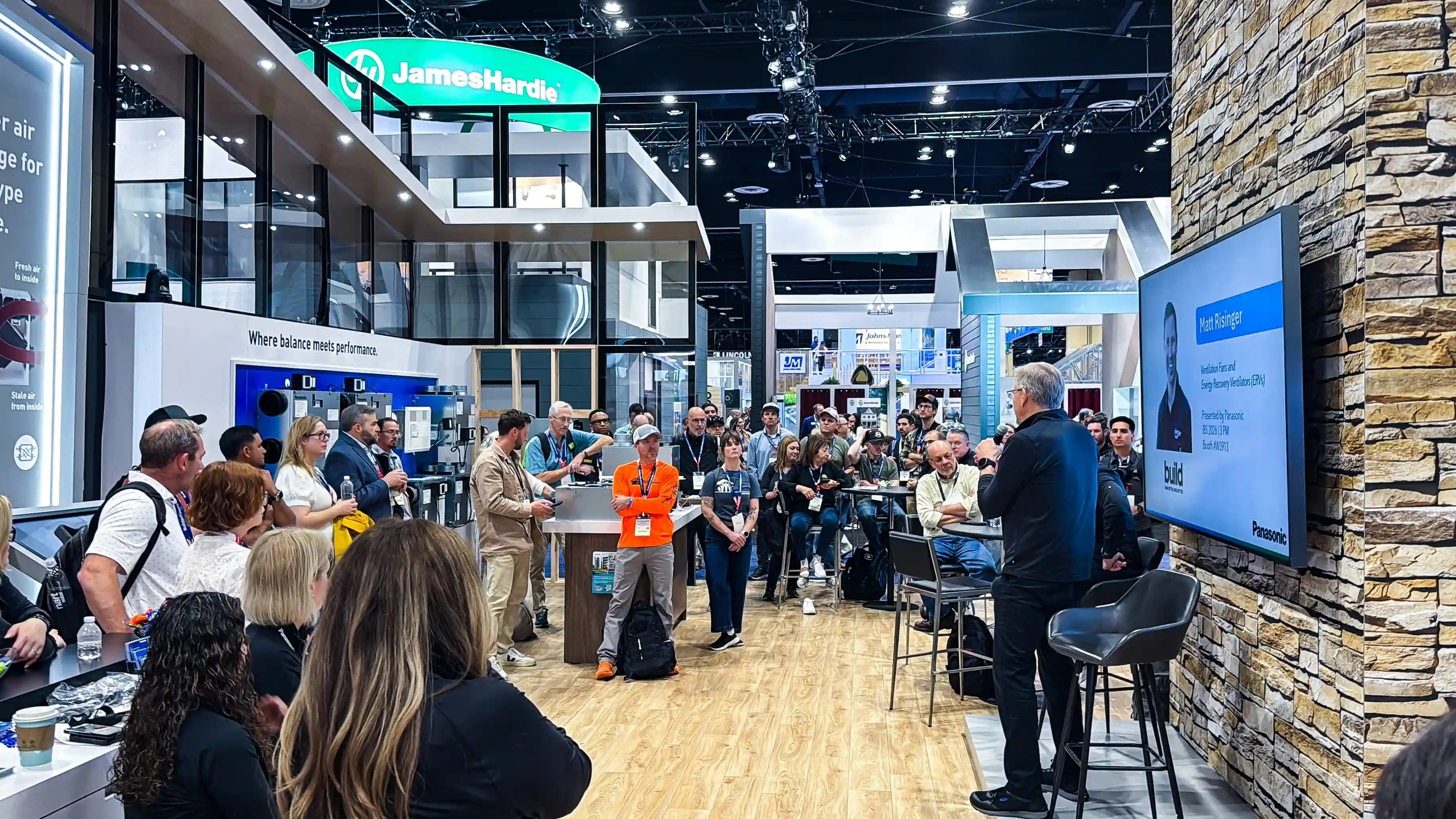
On-site performance centers on three activities: attracting attendees to your space, delivering a clear story through booth design and live demos, and executing disciplined lead capture with every qualified conversation.
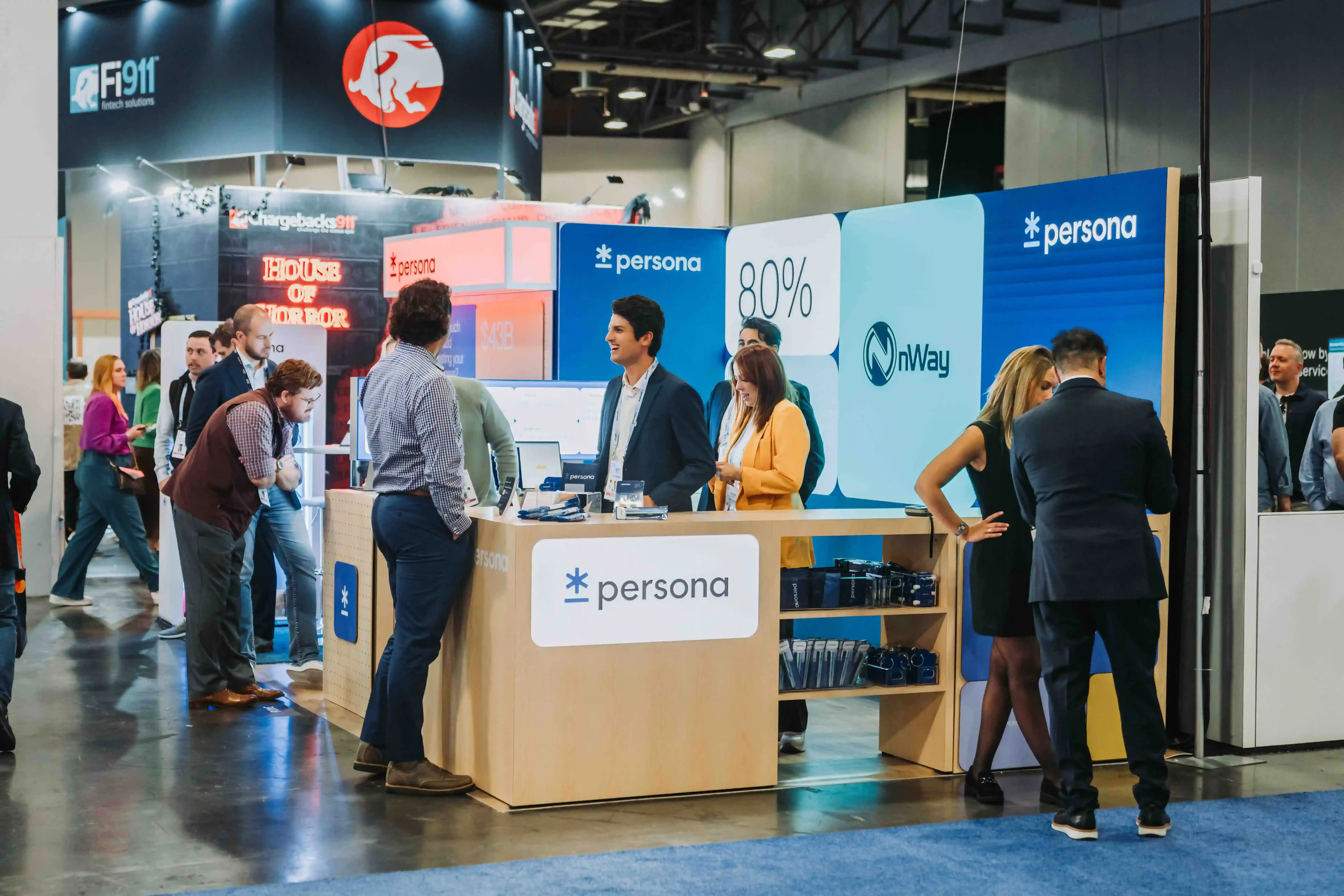
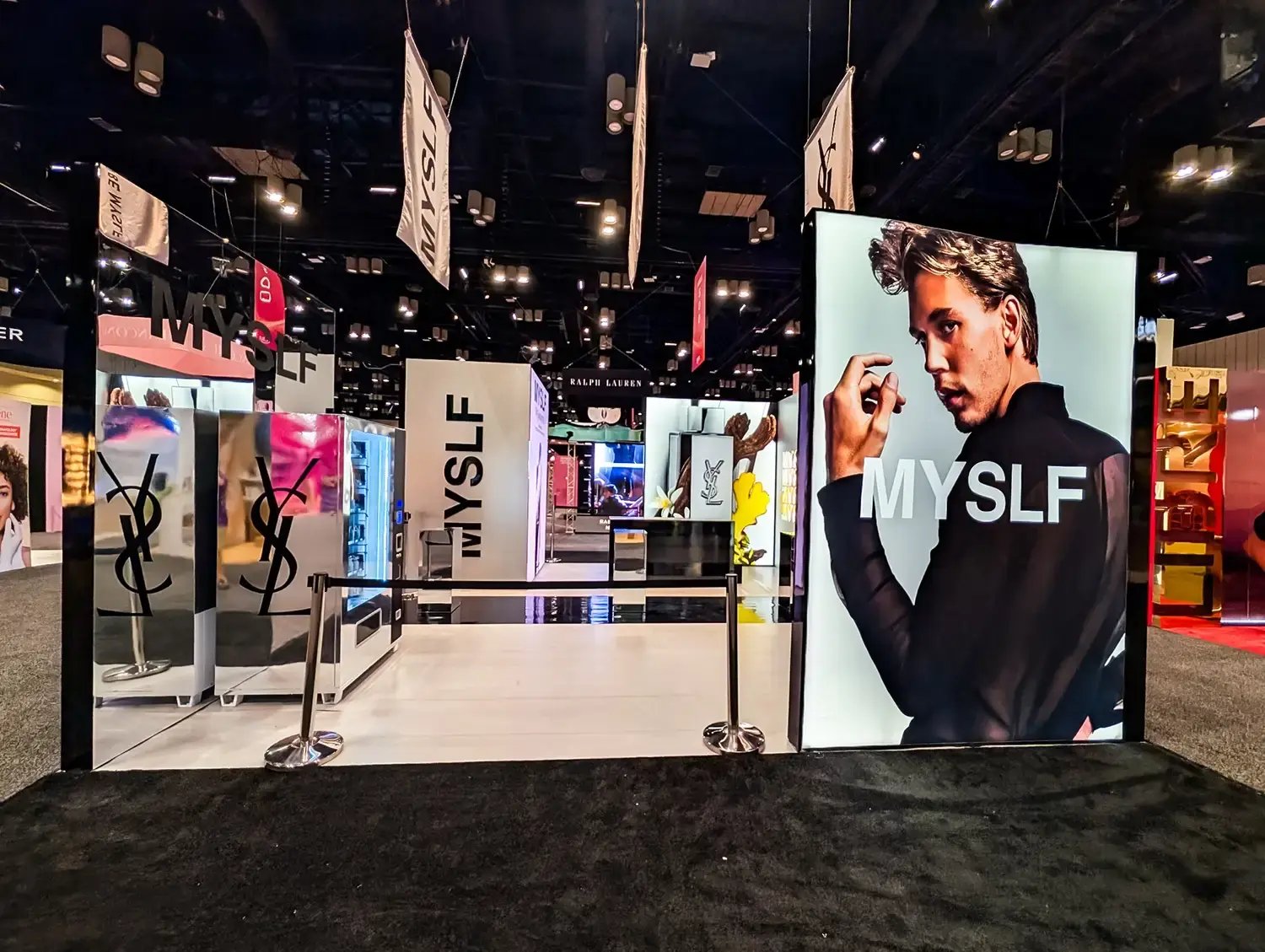
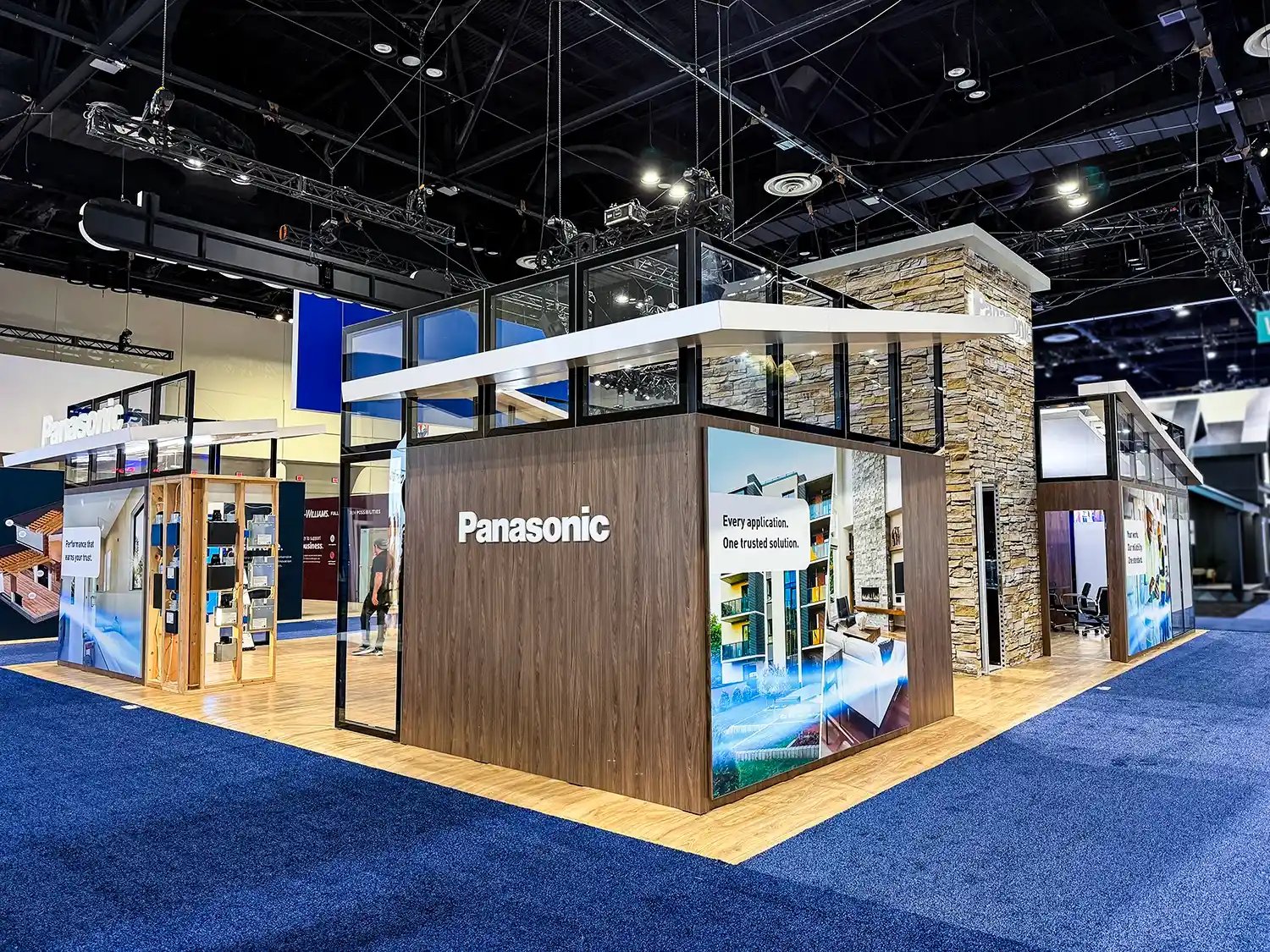
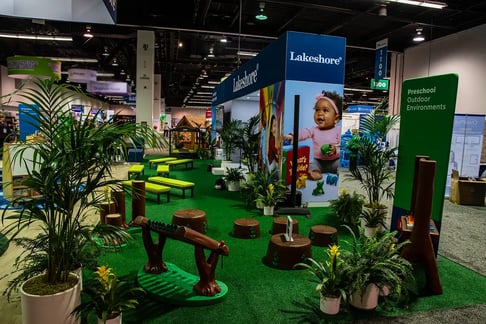
What makes effective booth design includes bold, minimal messaging visible from aisles, strong lighting that draws the eye, clear zones separating quick browsing from deeper demo engagement and serious sales conversations. Photo-friendly elements encourage social sharing that extends your reach beyond the show floor. Using eye-catching booth designs and visuals can increase foot traffic by up to 83%, making them essential for attracting attendees.
Staff strategy requires attention to behavior and positioning. Never sit behind tables. Wear coordinated apparel for instant brand recognition. Rotate roles every 90–120 minutes to prevent fatigue and maintain energy. Open conversations with discovery questions rather than pitches to identify genuine needs quickly.
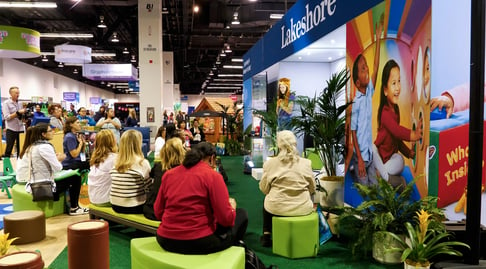
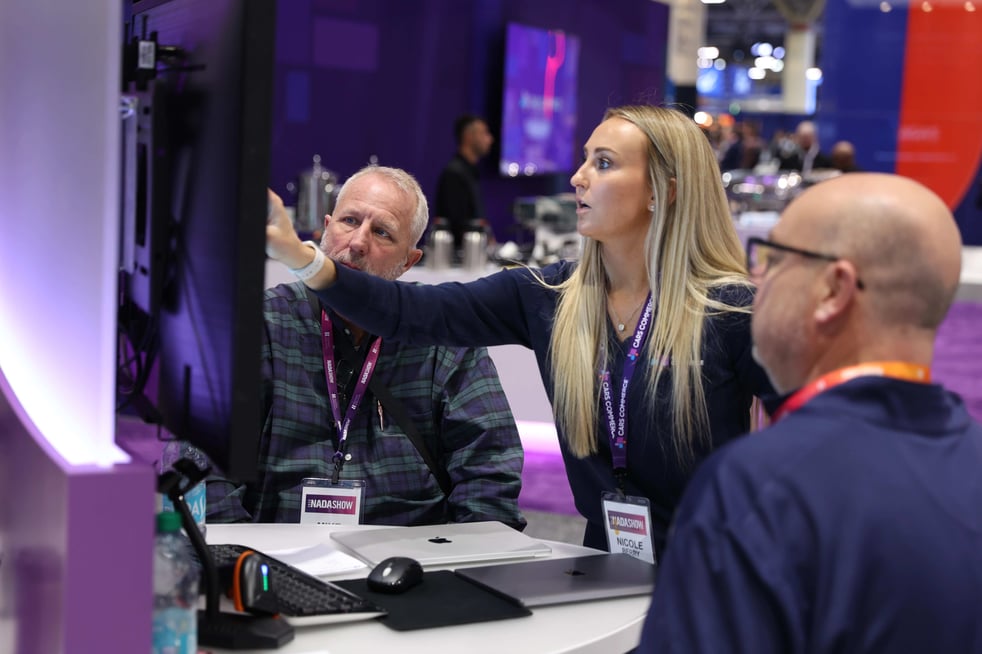
Lead capture apps or badge scanners combined with structured notes, problem identified, role, timing, required follow up, and simple qualification categories entered into a CRM daily ensure no valuable conversation gets lost. Creating predictable spikes in booth traffic through scheduled mini-seminars or 15-minute product walkthroughs on the hour gives booth visitors specific reasons to arrive at set times.
Offering show specials can create a sense of urgency and excitement around your booth, encouraging attendees to make immediate purchases rather than delaying decisions.
After the Show: Follow-Up and Revenue Conversion
Urgency defines post event strategies. Following up with leads within 48 hours of the event is crucial to maintain momentum and convert interest into opportunities. Even simple thank-you emails with proposed next steps preserve the relationship while conversations remain fresh.
Route leads by category: sales calls and demos booked within days for hot leads, tailored content and webinars for warm leads, and automated nurture sequences for longer-term prospects in your sales pipeline.
Integrate event leads into the CRM with full context for each interaction, linking them to the event name and date for accurate ROI reporting over time. Multi-channel follow up communications work best: personalized emails, LinkedIn connection requests, phone calls for high value prospects, and occasional direct mail for key decision-makers.
Conduct a post-mortem review 1–2 weeks after the event. Compare results versus goals and decide whether to re-book, resize, or adjust tactics for future events. This reflection feeds continuous improvement across your trade show performance year over year.
Pre-Show Communication Channels: Direct Mail, Email, and Social Media
Mixing direct mail, email, and social campaigns significantly increases appointment volume and booth traffic compared with relying on organizer lists alone. Each channel contributes complementary strengths that together generate interest more effectively than any single approach.
Direct mail delivers cut-through and tactile impact in a digital world. Email provides detailed information, reminders, and scalable personalization. Social media creates reach and enables real-time interaction before, during, and after the event. Using social media for pre-show marketing allows for dynamic engagement, making potential attendees feel part of the community and increasing anticipation for the event.
Include specific timeframes rather than vague “before the show” language. First direct mail drops typically go out six weeks before the event. Reminder emails land two weeks and three days before day one. Social campaigns build momentum across the final three weeks.
Every channel should carry clear calls-to-action: pre-book a meeting, register for a live demo slot, or visit the booth with a redemption code for a premium giveaway. Consistent messaging across direct mail, email campaigns, and social posts reinforces your value proposition and creates multiple touchpoints with your target audience.
Using Direct Mail to Drive Qualified Booth Traffic
Physical direct mail continues to perform well for B2B event marketing. Direct mail can generate an average 4.4% response rate and an 85% open rate, making it an effective tool for pre-show marketing to increase attendance. These rates significantly outpace typical email campaign performance.
Concrete campaign ideas include dimensional mailers inviting VIP prospects to a private demo, or postcards with scannable QR codes that unlock show-only offers. The tactile nature of mail cuts through crowded inboxes and creates a lasting impression that digital alone cannot match.
Personalize pieces with recipient name, company, booth location map, and specific session or live demo times tailored to their role or industry. Integration with digital tracking, unique URLs or QR codes tied to each mailer, allows response measurement back to the campaign and associated revenue.
Lead time matters. Artwork, printing, and postal delivery often require a 3–4 week buffer before show start dates. Rushing this process increases costs and risks pieces arriving too late to influence attendance decisions.
Email Campaigns That Warm Up Prospects Before the Event
A simple 3–4 email sequence works effectively: save-the-date announcement, value teaser highlighting what’s new, and last-chance reminders to book meetings or attend live demos. A well-crafted, personalized email campaign can drive attendees to the show, with segmentation based on attendee interests being key to successful engagement.
Segment lists by role (technical versus business buyers), industry, and buying stage so each segment receives relevant reasons to visit your booth stand. Different prospects need different messages, technical evaluators want specs and demos while executives want business outcomes and ROI discussions.
Tactics that increase click-through rates include calendar booking links, booth numbers in subject lines, and short video previews of demos. Automation platforms handle scheduling and reminders but still require personalized fields based on prior interactions or account status.
Keep copy concise, mobile-friendly, and aligned with event and brand visuals that will appear on-site. This visual consistency reinforces brand recognition when recipients arrive at your booth and see familiar messaging.
Social Media and Event Marketing Around the Show
Build a focused social media plan spanning 2–3 weeks before, live coverage during, and a recap after the show. Creating a booth-specific hashtag encourages visitors to share their experiences on social media, increasing your brand’s visibility beyond the trade show floor.
Tactics include posting countdowns, behind-the-scenes booth build photos, and polls asking what attendees most want to see. Using social media to promote a specific hashtag for your booth can enhance engagement and create user-generated content, increasing visibility during the event.
During the show, post short video clips from demos, photos with existing customers (with permission), speaker highlights, and QR codes in graphics linking to lead capture forms. This real-time content engages attendees who haven’t yet visited while reminding those who have to return.
Assign one team member as the on-site social lead to ensure consistent posting and engagement rather than leaving it to busy booth staff juggling conversations. Close the loop with a post-event highlight thread summarizing key insights, thanking booth visitors, and linking to recordings or follow-up resources.
Onsite Experience: Booth Design, Live Demos, and Staff Behavior
On a crowded show floor, differentiated booth design and human engagement often matter more than sheer square footage. A 10x10 space with strong design and trained staff can outperform a 20x30 booth with cluttered messaging and disengaged personnel.
The focus centers on three pillars: physical booth design that attracts attention and directs flow, interactive elements and live demos that hold interest and educate attendees, and the behavior and training of booth staff who convert visitors into qualified leads.
Examples from major exhibitors at CES, MWC, and international auto shows illustrate best practices that scale down to smaller booths. These principles apply across diverse industries regardless of whether you’re showcasing software, manufacturing equipment, or professional services.
Booth Design that Attracts and Directs Attendees
Key visual principles include clean, bold headlines visible from 10–15 meters away, consistent branding across all elements, and an uncluttered booth layout that naturally guides visitors from welcome areas to demos to seating for serious conversations.
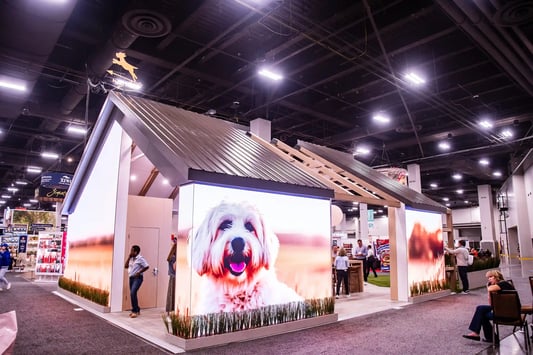
Large banners, backlit displays, and digital screens create visual hierarchy that draws eyes from across the trade show floor. Flexible OLED walls at CES demonstrate what’s possible at scale, but even 10x10 spaces benefit from strategic lighting and bold graphics. Investing in high-quality visuals and consistent branding across all booth elements is crucial for making a lasting impression on trade show attendees.
Design zones strategically: quick browse areas at the aisle for initial attraction, deeper engagement areas inside for demos and detailed conversations, and semi-private spaces for partner meetings and advanced sales discussions. Avoid physical barriers like front tables that create psychological distance.
Using promotional products that are useful can significantly increase brand recall, with 76% of people remembering the brand on a promotional product they received. Sustainable materials and modular systems appeal to the growing segment of eco-conscious attendees and can reduce costs for future events through reusability.
Using Live Demos and Interactive Elements to Drive Engagement
Scheduled live demos and interactive experiences outperform static displays in both attracting and holding visitor engagement. Real world scenarios showing your product solving actual problems resonate more than feature lists on posters.
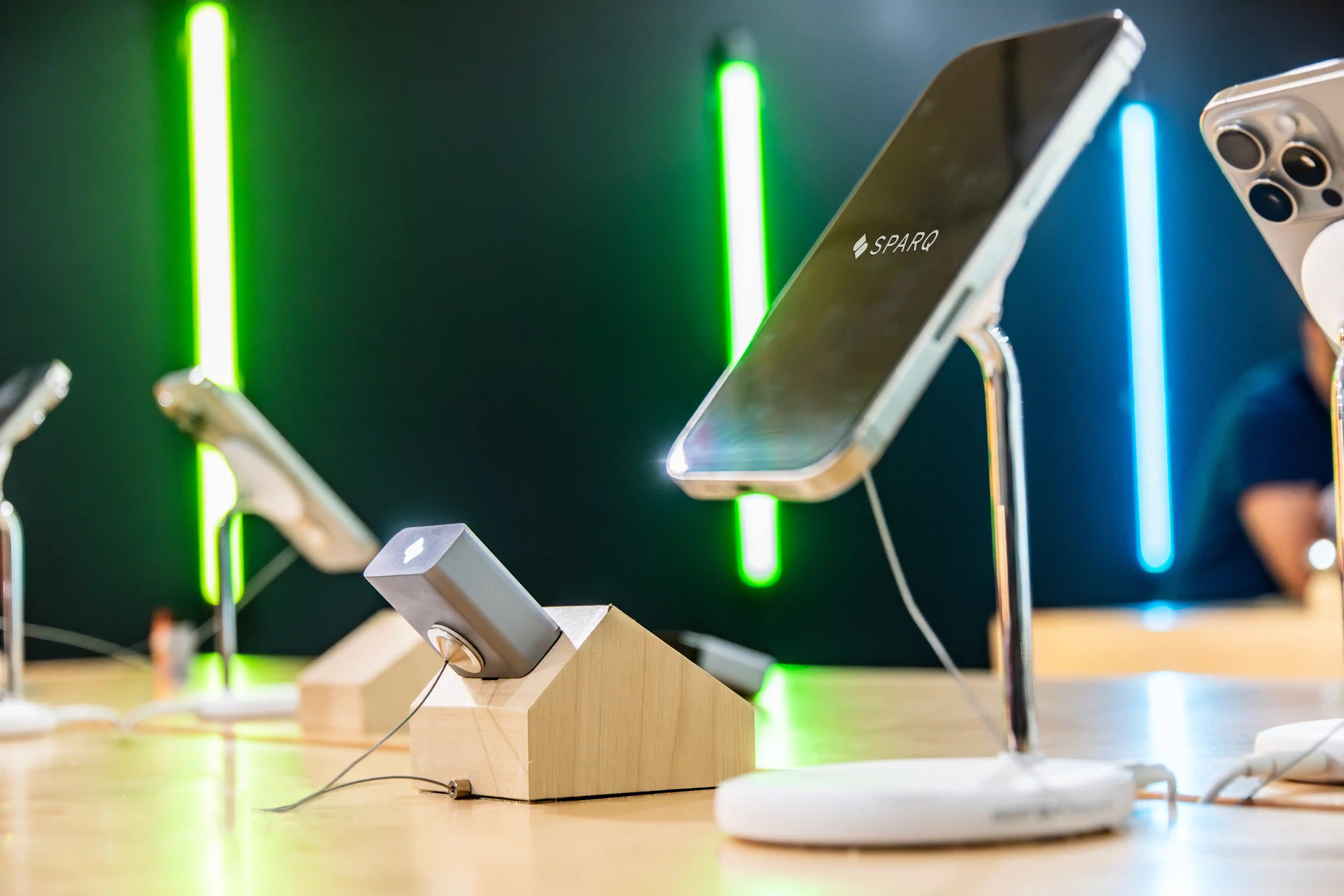
For Sparq, we integrated demo tables into the booth, showcasing the car company’s A.I. car diagnostic app in real-time. Gamifying your booth can create a fun, interactive experience that attendees will remember, attracting more visitors to engage with your brand.
Publish demo times in pre-show emails, at the booth, and on social channels to create appointment-like booth traffic. This predictability helps staff prepare and ensures enough capacity for interested attendees.
Demos should connect explicitly to attendee outcomes, time saved, revenue gained, risk reduced, rather than touring features. Keep demonstrations to 10–15 minutes with time for questions. Adding small stages, touchscreens, or workshop corners where staff run mini-seminars educates attendees while establishing expertise.
Staff Training, Dress Code, and Booth Etiquette
People, not structures, convert booth visitors into qualified leads in your sales pipeline. Untrained or disengaged staff can waste even the best booth design, while well-prepared teams maximize every conversation.
Training your booth staff to lead with questions rather than pitches can help identify qualified prospects and foster meaningful conversations with attendees. Audiences dislike an overly promotional sales pitch and respond better to genuine, needs-based conversations. Training topics include opening with questions, listening for buying signals, quickly qualifying interest level, and using lead capture tools correctly after each conversation.
A simple dress strategy works best: branded, matching apparel like polos or jackets for instant recognition, comfortable shoes for long days on concrete floors, and clear name badges showing role (sales, technical, executive). Consistent appearance makes your sales team easy to identify in crowded aisles. While working with Choose Chicago, their team brought in branded jean jackets with their ‘Never Done, Never Outdone” slogan, leaning all the way in on their branding.
Behavior guidelines matter. Always stand facing the aisle, never retreat behind tables, avoid phones or laptops at the front, rotate staff every 90–120 minutes to avoid burnout,
and maintain clear break schedules. Daily pre-show huddles review goals, schedules, talking points, key messages, and any at-show promotions or live sessions planned for that day.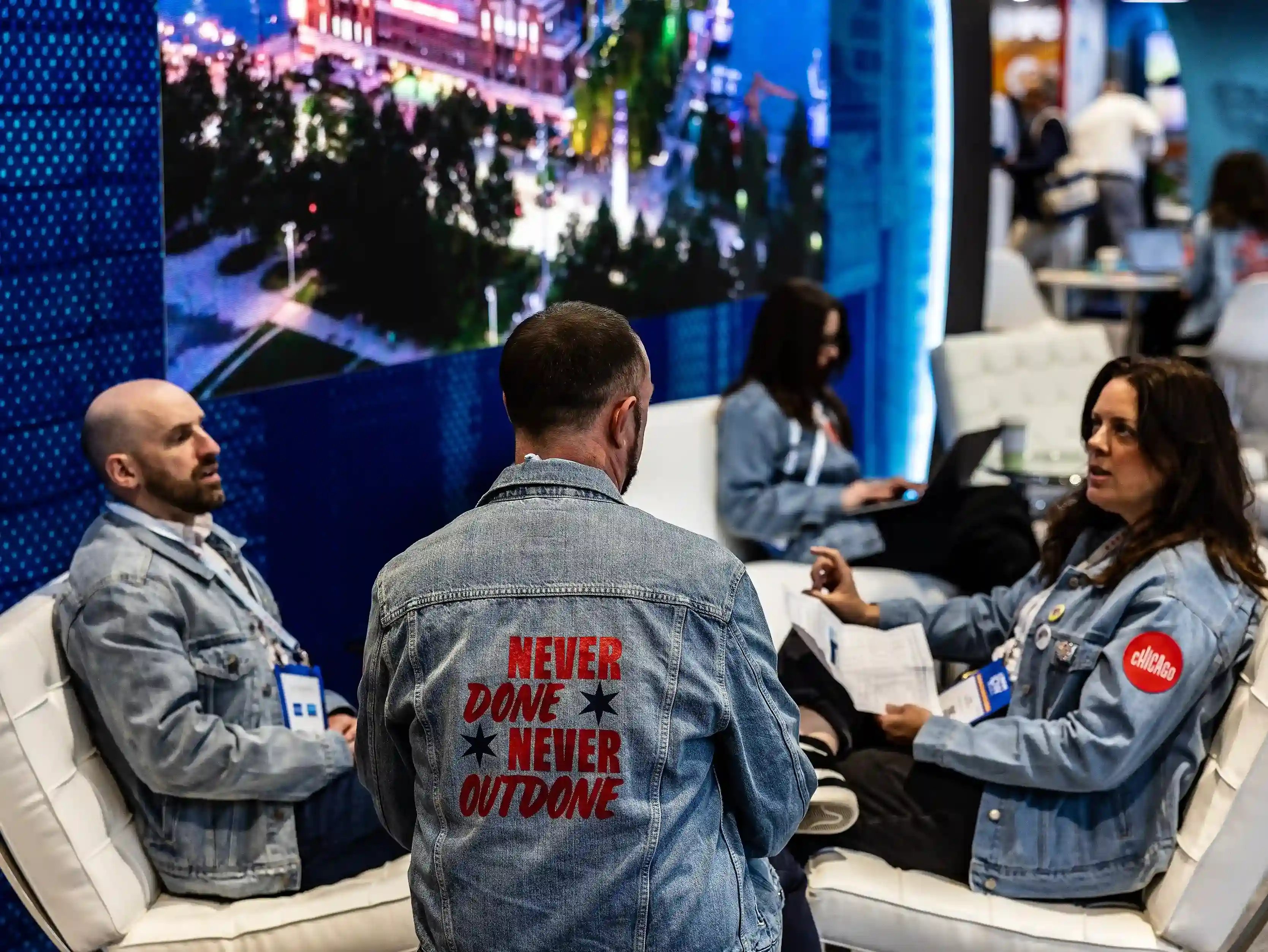
Lead Capture, Qualification, and Data Integrity
While face-to-face meetings are relatively cost-effective, most exhibitors fail to convert because of weak lead capture processes and incomplete data.
This section addresses designing a simple, standardized framework for capturing, qualifying, and storing leads collected at trade shows so they can be worked effectively after the event. A clear process helps onsite teams capture leads and collect the right data, enabling faster post-show prioritization.
The goal is quality alongside volume: capturing the right information in the booth to prioritize follow up and personalize outreach based on actual conversations. Technologies like badge scanners, lead capture apps, and CRM integrations help, but only when paired with disciplined note-taking and agreed qualification criteria that the sales team understands.
Designing a Simple Lead Qualification Framework
A lightweight qualification model with 4–6 key questions allows staff to weave qualification naturally into conversation. Train your staff to quickly assess whether someone is a qualified lead by asking basic qualification questions such as their role and challenges.
Essential information includes: role and decision-making authority, primary challenge or problem they’re trying to solve, timeline for evaluating solutions, budget range, and competing solutions under consideration. These elements mirror BANT (Budget, Authority, Need, Timeline) but adapt to natural dialogue.
Categorize leads into tiers, hot, warm, nurture, at the booth, not weeks later when details have faded. Hot leads show decision-ready signals. Warm leads have genuine interest but longer timelines. Nurture leads are early-stage contacts worth maintaining.
Quick note-taking immediately after each interaction captures personal details that aid future rapport building. Align this framework with the sales team beforehand so handoffs post-show are smooth and expectations regarding sales opportunities are clear.
Tools and Processes for Reliable Lead Capture
Common tools include organizer badge scanners (fast but limited detail), tablet-based lead capture apps (rich notes but Wi-Fi dependent), QR code forms (flexible but require visitor action), and manual business cards plus notes (backup method). Each has tradeoffs between speed and data richness.
Test all devices and logins before the show opens. Have backup methods like printed forms ready in case of Wi-Fi or app failures. Nothing wastes a successful trade show conversation faster than losing the contact information.
Data hygiene steps include standardizing fields, using consistent tags for the event, and uploading or syncing leads daily into the CRM with minimal delay. Integrating with marketing automation allows instant triggering of thank-you emails and nurture sequences segmented by lead category.
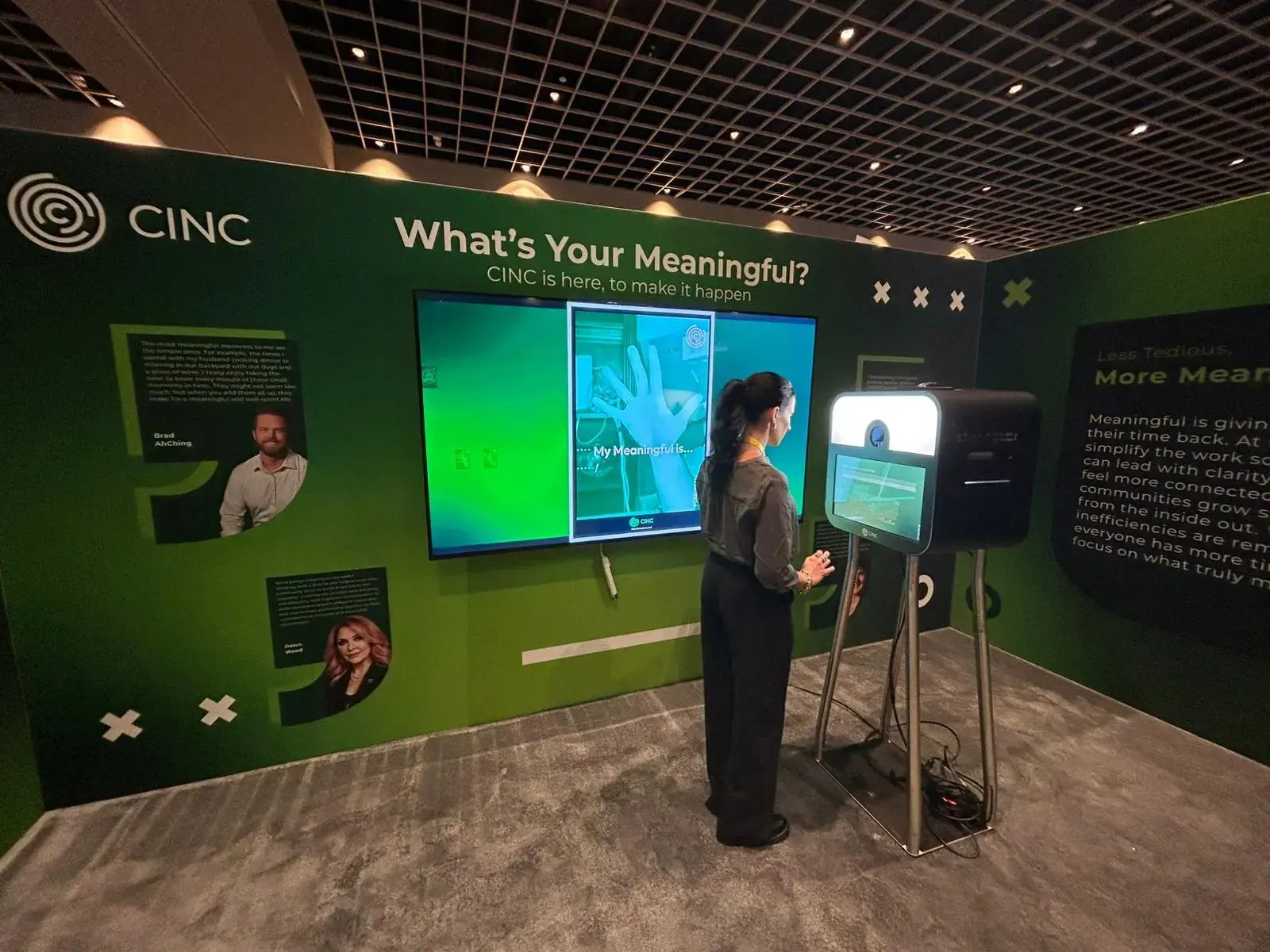
In developing the trade show booth for CINC, we creatively integrated the lead capture right into a photo op with interactive walls, leading to a takeaway for booth visitors and lead capture data for our clients.
Compliance considerations matter: gain consent for communications where required and align with privacy regulations relevant to the event location. Document consent at point of capture to avoid issues later.
Post-Event Follow-Up and Long-Term Nurturing
Many analysts estimate the majority of trade show-driven revenue appears 6–18 months after the event, making structured follow up critical to realizing the full return on your investment. The work doesn’t end when the booth comes down.
Follow up needs both speed and relevance. Outreach within 24–48 hours capitalizes on fresh memories, but generic mass emails squander the personal connections made at the booth. Each follow up communication should reference specific conversations and needs discussed.
Build a follow-up plan by lead category: immediate outreach for hot leads with scheduled meetings, content sequences for warm leads evaluating solutions, and automated nurture paths for early-stage contacts. This segmentation ensures resources focus where sales opportunities are most likely.
Multi-touch cadences over several weeks, email plus LinkedIn plus occasional calls, outperform single thank-you messages. Creative follow up ideas include recap webinars, personalized video messages from account executives, or small post trade show direct mail packages for top prospects.
Segmented Follow-Up Cadences and Messaging
For hot leads, initiate a call and concise email within 1–2 business days proposing a specific meeting date. For warm leads, deploy a short sequence over 2–3 weeks sharing relevant case studies, customer testimonials, and offers to demonstrate solutions.
Personalized follow-up communications that reference specific conversations from the trade show can significantly increase engagement and response rates. Mention the live demos they attended, the marketing materials they requested, or the specific challenge they described at the booth.
Use different subject lines and calls-to-action by segment. “Finalize your pilot before Q3” signals urgency for advanced opportunities while “Explore options for 2026 roadmap planning” suits earlier-stage prospects. Segmenting leads based on their interests and engagement during the trade show allows for more targeted and effective follow up communications.
Update opportunity stages in the CRM as leads progress, maintaining a clear link back to the originating trade show. Marketing and sales should coordinate ownership so no high value prospects are left unattended after the event.
Measuring Results and Feeding Insights into Future Shows
A basic measurement framework compares planned versus actual metrics for leads, meetings, pipeline, and revenue attributable to the event over defined time windows. To evaluate whether your trade show presence delivered real business impact, monitor Key Performance Indicators (KPIs) such as booth traffic, engagement rates, and lead quality.
Return on Investment (ROI) for trade shows often has a sales conversion time frame of 18 to 24 months or more, making post-show marketing integral to maximizing trade show success. To measure event ROI, track both quantitative and qualitative outcomes, which helps assess cost-effectiveness and fine-tune future trade show investments.
Conduct a short internal review within 1–2 weeks post-show: what worked in attracting attendees, which trade show materials resonated, where lead capture broke down, and which channels performed best. These insights inform decisions on which shows to repeat, whether to increase or reduce booth size, and how to adjust tactics.
For example, if one show generated high lead volume but low conversion, while another produced fewer but higher-quality opportunities, reallocating budget toward the higher-performing event makes sense. Track multi-year trends rather than single-event results, especially for large annual shows where average trade show performance can shift over time.
Frequently Asked Questions about Trade Show Marketing
The following questions address common practical concerns not fully covered in the main sections, focusing on timing, budgeting, and first-time exhibitor challenges. Answers remain concise and actionable for B2B marketers and event planners working on trade show marketing strategy for 2024–2026.
How far in advance should we start planning trade show marketing?
For major national or international trade shows, planning ideally starts six months out. Booth design, sponsorship decisions, and initial hotel and travel bookings should be locked by four months before the event. Pre-show event marketing campaigns including direct mail, email, and social should launch 4–8 weeks before the show, depending on sales cycles and offering complexity.
Smaller regional events may work with a compressed 8–10 week planning window, but rushing typically increases costs and reduces impact. Technology setups including lead capture apps and demo environments must be tested at least 1–2 weeks before shipping to avoid on-site surprises that disrupt execution.
What percentage of our marketing budget should go to trade shows?
Many B2B firms allocate 15–30% of their event and offline marketing budget to trade shows, but the exact share should depend on historical pipeline and revenue attributed to this channel. Companies with long sales cycles and high contract values often justify larger proportions when shows consistently generate late-stage opportunities.
Calculate cost per qualified lead and cost per opportunity from recent shows and compare against other channels like webinars, paid search, or direct mail. Budget decisions should be data-driven and reassessed annually based on measured booth performance rather than tradition or industry convention.
How can first-time exhibitors reduce risk and still make an impact?
Start with a smaller, well-designed booth stand, a 10x10 space, at one or two carefully chosen events rather than spreading budget thin across many shows. Visit the show as an attendee the prior year to understand the environment, competitor presence, and attendee behavior before committing your next event budget.
Focus on simple but strong booth design and invest heavily in staff training and post show follow up rather than expensive custom builds. Rent modular displays, reuse core trade show materials, and limit giveaways to a few highly relevant items. Success for first-timers is best measured by quality conversations and learning rather than raw lead counts or visual flash.
Are virtual or hybrid trade shows worth including in our strategy?
Virtual and hybrid trade shows can extend reach, particularly for global audiences and technical content, but typically generate different kinds of leads than purely physical events. Treat virtual participation as complementary, useful for demos, webinars, and follow-up content, while in-person events remain stronger for relationship building and complex deal discussions.
The same principles apply regardless of format: clear goals, engaging experiences, structured lead capture, and fast follow up. Organizations with limited travel budgets can test virtual sponsorships as a lower-risk way to evaluate specific shows and trade publications before committing to a full booth presence.
What are the most common reasons trade show marketing fails?
Three main causes drive failure: unclear objectives, poor or inconsistent pre-show promotion, and slow or generic post-show follow up that lets leads go cold. Additional issues include untrained booth staff, cluttered or confusing booth design, and unreliable lead capture processes that lose data or context.
Address these fundamentals by documenting goals and KPIs before each event, building a simple pre-show and follow-up plan, and running brief internal training sessions. Fixing basics usually improves ROI more than spending additional budget on bigger spaces or flashier builds. The companies that treat events as structured marketing campaigns rather than attendance exercises consistently outperform.