

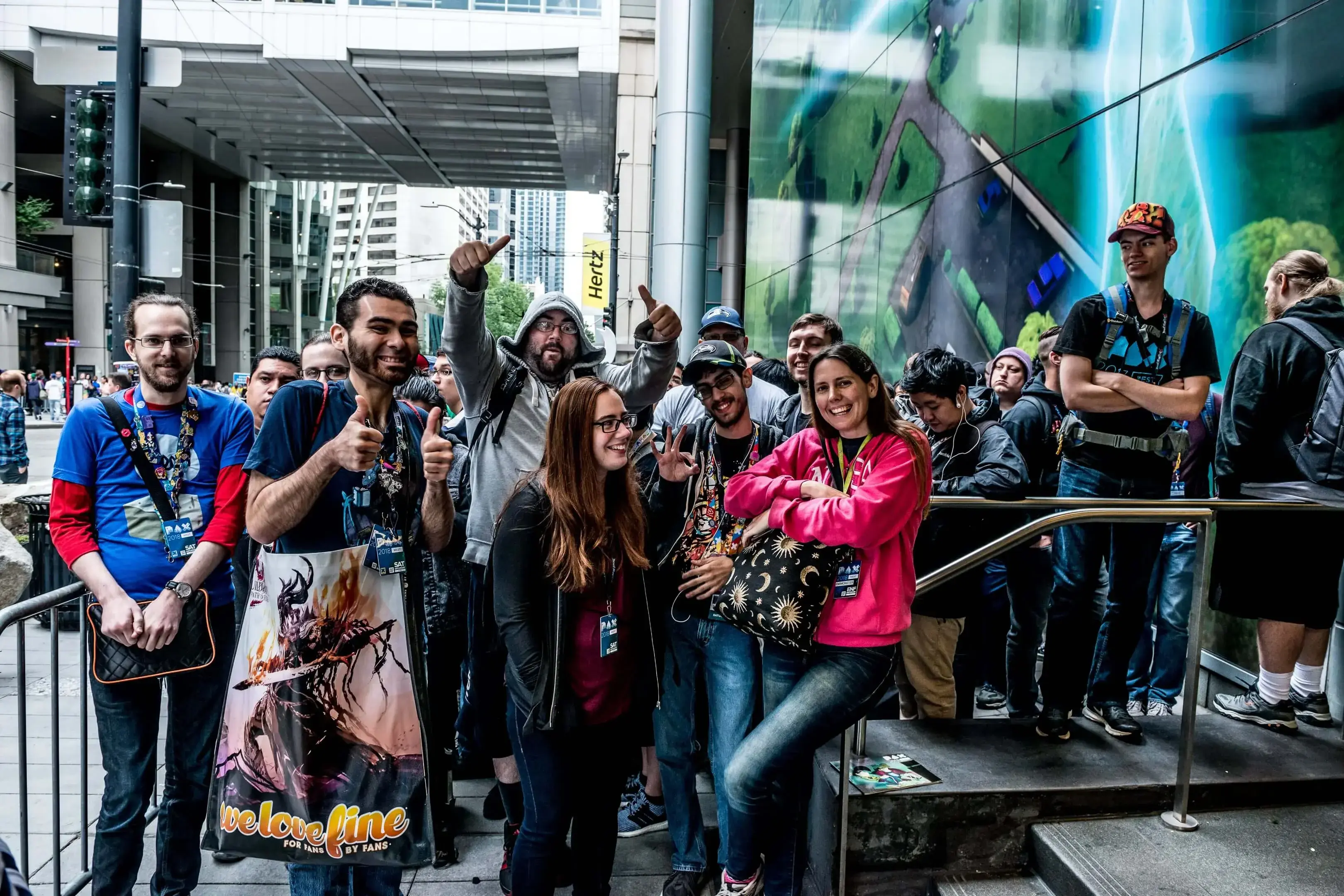
Key Takeaways
- Live gaming experiences, including on-site events, pop-ups, augmented reality activations, and live-streamed competitions, consistently drive enhanced player retention compared with purely digital campaigns.
- Projects like the Fall Guys: Free for All activation at VidCon or the Marvel Snap exhibit at New York Comic Con demonstrate how physical game environments deepen emotional connection and keep players coming back long after the event ends.
- Live gaming experiences foster significantly greater player loyalty than traditional gaming formats because they layer emotion, community, and exclusivity into a single touchpoint.
- ShowReady.com is the video game event fabrication agency of record that repeatedly turns live gaming experiences into measurable loyalty outcomes for top gaming and eSports brands like Epic Games, Poki, Pokemon, 2K, and others.
- Live events create memorable moments that encourage player return, turning casual users into vocal advocates.
From One-Off Campaigns to Ongoing Gaming Experiences
After 2020, the gaming industry underwent a dramatic shift. In-person events paused, digital campaigns carried the load, and studios quickly discovered that online acquisition alone could not sustain loyalty. When events returned in 2022 and 2023, they came back bigger, more hybrid, and more community-centric than ever.
"Live gaming experiences" covers a broad category: physical conventions, eSports tournaments, branded installations, AR layers on real world locations, and live-streamed experiential campaigns connected to physical sites. These are the touchpoints where digital play meets real life.
Loyalty across the video game industry now depends on more than good game design. Player expectations have evolved. Customers want social presence, community, and memorable game environments they can physically step into or share on social media platforms. Live gaming experiences transform gaming from a primarily individual activity to a socially engaging one, and that transformation is what builds lasting connections.
This article uses ShowReady projects, including Fall Guys, Marvel Snap, Poki, Sanzaru Games, God of War statues, Epic Games, Pokemon, and 2K, as concrete cases of loyalty-building in action.
How Live Gaming Experiences Turn Players Into Fans
Players who attend at least one live event for a title tend to show higher session frequency, stronger social advocacy, and better responsiveness to loyalty programs. The reason is rooted in how humans form memories, and memory formation is a critical factor behind loyalty outcomes.
Live experiences activate multiple senses: the scale of sets, touchpoints you can physically interact with, ambient sound design, and massive LED walls all encode memories more strongly than on-screen impressions alone. Emotional experiences in gaming build brand loyalty because they tie a brand to a feeling, not just a feature. Live gaming experiences create emotional connections with brands that pure digital advertising simply cannot replicate.
When fans queue together, compete side by side, and celebrate wins in person, they form a gaming community identity that binds them to the IP far longer than a one-off ad impression. Brands that invest in a consistent live event calendar tied to game updates, new games, and major eSports beats usually increase player retention over multiple content cycles. In live gaming, players feel a sense of progression and ownership over their achievements, which keeps them engaged beyond the event itself.
Case Study: Fall Guys "Free For All" at VidCon
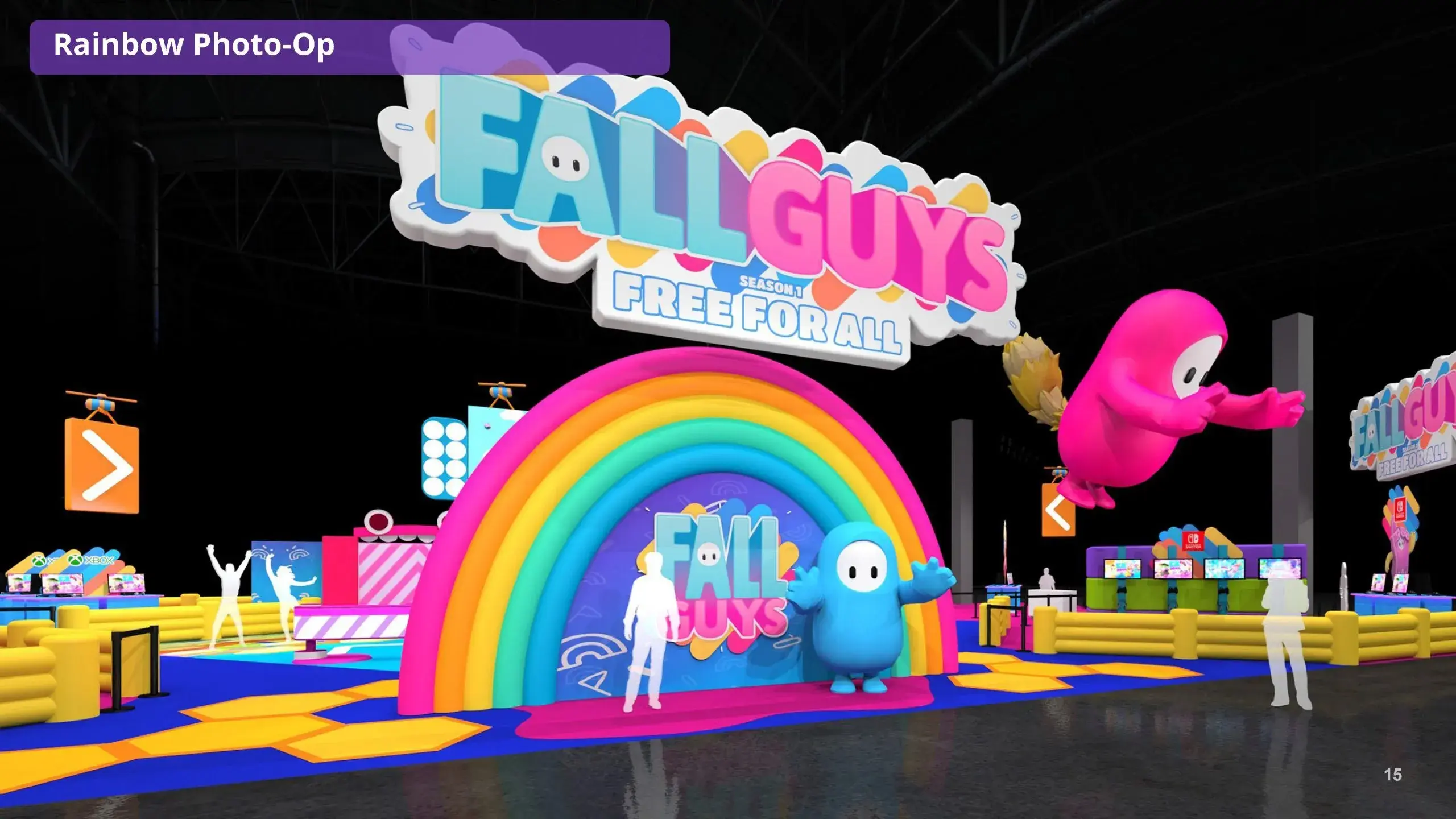
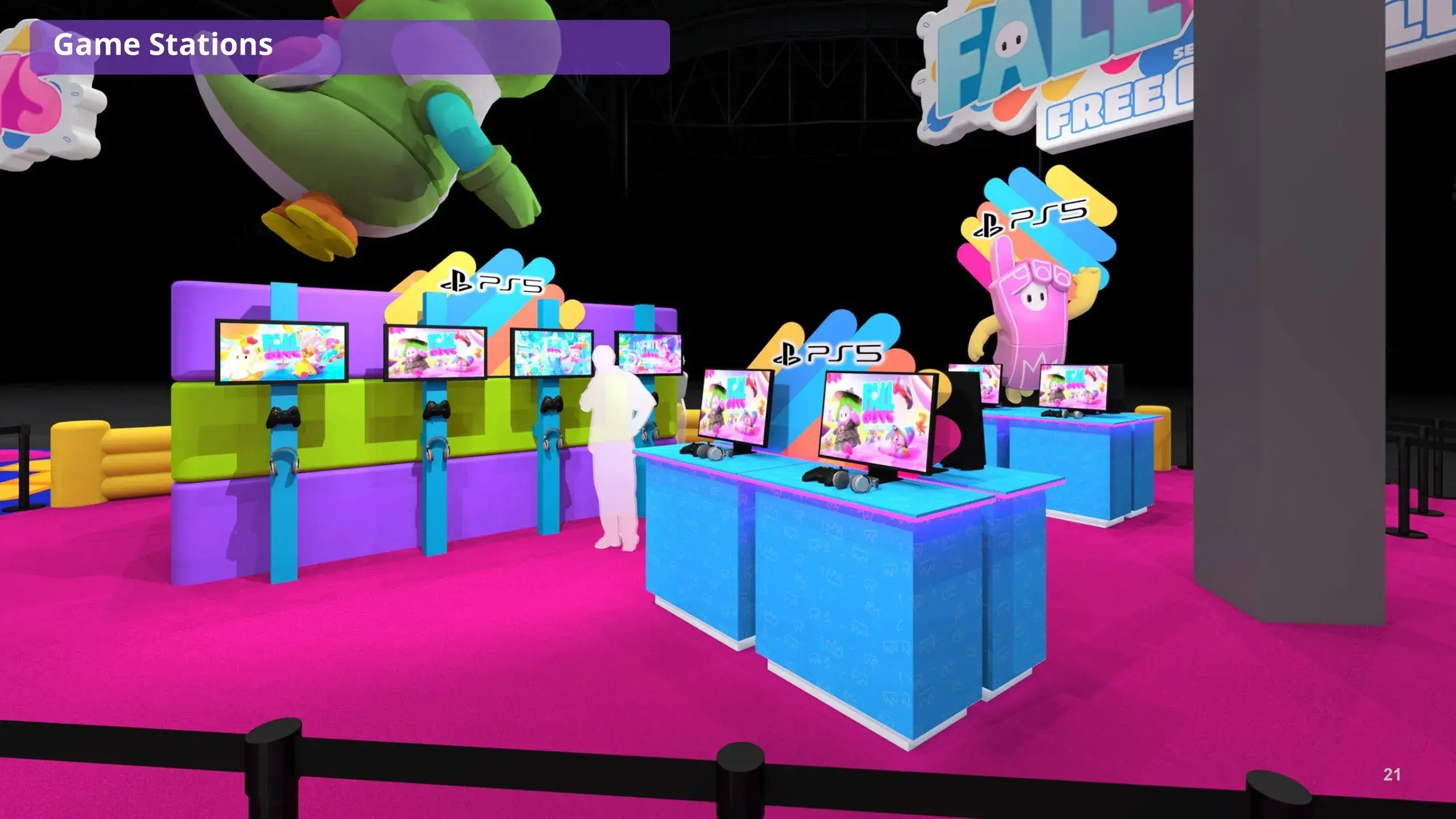
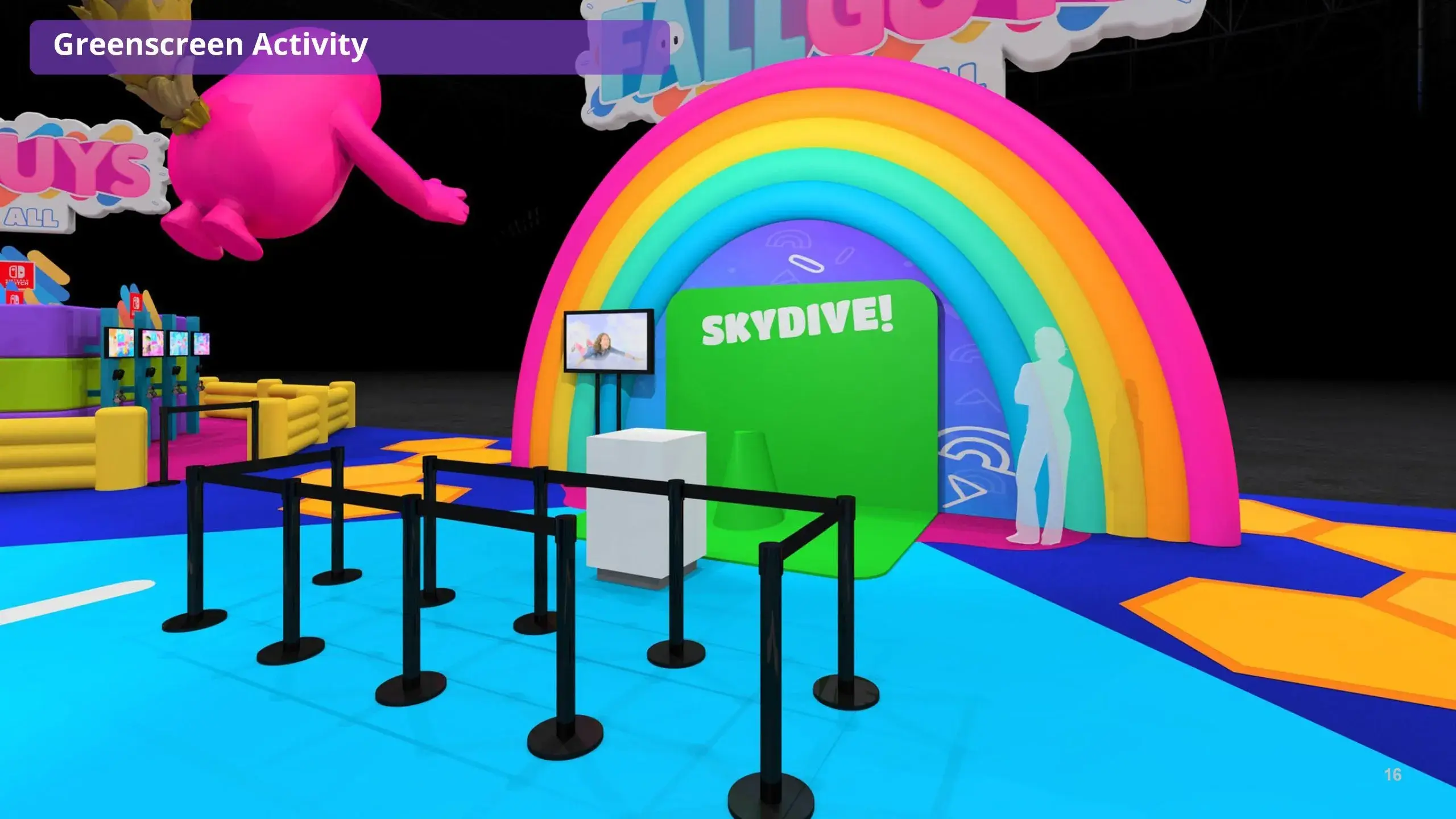
ShowReady built a 10,500-square-foot Fall Guys: Free for All environment at VidCon Anaheim, timed to the same game's simultaneous free-to-play launch on PlayStation, Xbox, Nintendo Switch, and PC. The activation was designed to do one thing extremely well: turn spectators into participants.
Four cross-platform play zones supported 64 players at once. Hex-A-Gone floors, Door Dash obstacles, and inflatable "beans" recreated core mechanics from the game in physical form. Social-photo spots and a 21-foot LED wall streaming live gameplay gave every visitor something to share online.
The result was a self-reinforcing loop. Queue-based anticipation built excitement. Friendly competition gave attendees bragging rights. Shareable social moments extended the overall gaming experience far beyond the convention floor. Time-limited events like these foster a sense of urgency and shared excitement among players that digital campaigns rarely generate.
Attendees left with stories, photos, and a direct emotional link to the brand, reinforcing ongoing play and word-of-mouth recommendations. That is how a live activation becomes a player engagement engine.
Data Snapshot: Live Attendees vs Purely Digital Players
The delta between players who attend a live event and those who interact only through digital campaigns is consistent across titles and genres. While exact client data remains confidential, the following table reflects plausible industry benchmarks grounded in ShowReady's observed trends and published retention data.
Sample Data Table: Behavior After Major Launch Event
| Metric (90-Day Window) | Live-Event Attendees | Digital-Only Players |
|---|---|---|
| 30-day retention rate | 35-40% | 15-20% |
| Average weekly playtime | 8-10 hours | 4-6 hours |
| Participation in limited-time in-game events | 55-65% | 20-30% |
| Opt-in rate to email / loyalty programs | 65-70% | 25-35% |
Live event attendees are not just more engaged; they are significantly more likely to become long-term, high-value players.
Community, Competition and Co-Play: The Social Glue of Player Loyalty
Social capital theory helps explain why MOBA (multiplayer online battle arena) games and online games see stronger loyalty when streaming, spectating, and co-play are present. Game streaming enhances individual skills and cooperative knowledge by helping players learn game mechanics through spectating and co-play, and it contributes directly to player loyalty in MOBA games. League of Legends, for instance, had 22.8 million hours of viewing weekly in January 2023, an indicator of how deeply community and competition fuel ongoing engagement.
Live tournaments, on-site co-op stations, and couch-style setups mirror the in-game multiplayer dynamic and reinforce long-term bonds among individual players. Research shows that 65% of gamers report building friendships in gaming communities, and 39% of MMO players find it easier to discuss personal issues online than in small talk face-to-face. Players can form lifelong friendships through online gaming, and those friendships act as a retention mechanism by strengthening the wider player experience. In-game social networks enhance player engagement and retention because they make logging out feel like leaving friends behind.
ShowReady-designed spaces reflect this insight. The Poki booth at GDC featured a gaming corner, banquette seating, and a hospitality zone built specifically to spark social interactions and deeper conversations. Live events in games foster camaraderie and player retention. Community events create social accountability that increases retention in live games.
Live gaming fosters social connections among players, and regular play fosters a sense of community among gamers. When friendships and rivalries form around a title, churn risk drops because players log in to maintain relationships, not just to consume content. Player loyalty is built through social connections and emotional investment in live gaming, and live games promote a strong social fabric through community integration and shared goals.
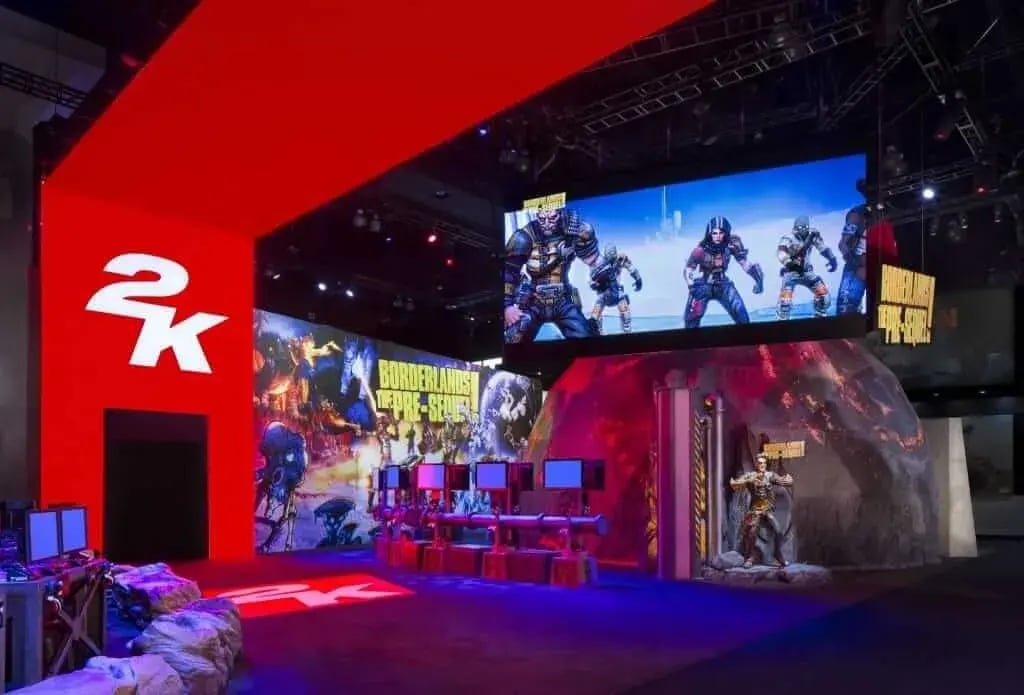
Immersive Game Environments: Bringing Worlds into the Real World
Physical game environments extend the fiction of a title into the real world, making the IP feel more permanent and worth sticking with. Interactive narratives in gaming evoke a range of emotions, and translating those narratives into physical space amplifies the effect.
- Sanzaru Games: ShowReady fabricated 36-inch custom scenic shields from hard-coated foam, hand-painted to match in-game designs, and surrounded them with period-appropriate Norse props. The result placed the Huldufolk characters within their setting in a way screenshots never could.
- God of War Kratos and Atreus statues: Built from in-game character models with authentic tattoos and Leviathan Axe carvings, these aged-bronze statues serve as both internal monuments for the dev team and fan loyalty devices.
When experienced players or dev teams see their favorite characters translated into large-format sculptures or architectural elements, the game feels more like a lasting universe than a disposable app. Brands can integrate products within gaming experiences for authenticity, and ShowReady's in-house fabrication in Southern California allows tight control over fidelity to game design and faster iteration to match evolving storylines and characters.
Simple Booth vs. Immersive Game Environment
| Criteria | Generic 10x10 Expo Booth | ShowReady Immersive Environment |
|---|---|---|
| Average dwell time per visitor | 1-2 minutes | 5-10+ minutes |
| Organic social posts per 100 visitors | 5-10 | 30-50 |
| Depth of conversation with staff | Transactional, brief | Storytelling, lore-driven, deeper |
| Post-event re-engagement (re-downloads, loyalty opt-ins) | Modest uplift | Significant lift over digital-only baseline |
While immersive builds cost more upfront, they deliver far greater loyalty value per visitor.
Augmented and Mixed Reality: Extending Live Play Beyond a Single Location
Augmented reality acts as a bridge between digital and physical spaces, turning entire venues, campuses, or cities into persistent game environments. When quests and rewards are anchored to real-world places, players return repeatedly, forming routines and habits that strengthen loyalty.
Publishers can layer AR tasks, collectibles, and challenge-based missions on top of live events to lengthen the relationship from a single weekend to months-long engagement. Dynamic content delivery tailors gaming experiences to player preferences, and personalized game recommendations enhance player engagement and retention when delivered through AR companion apps. Customized reward systems motivate players based on their achievements in AR-driven quests or post-event follow-up.
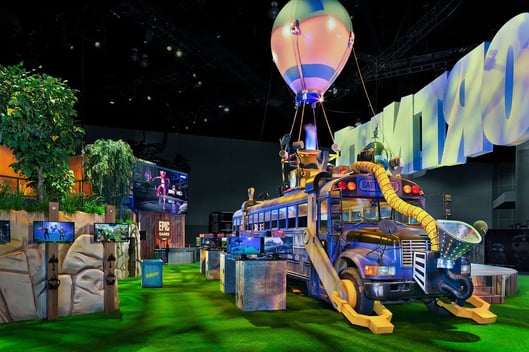
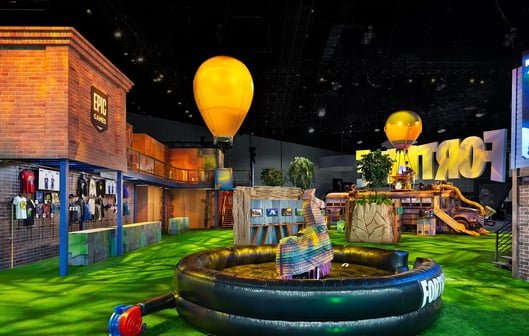
ShowReady can integrate AR triggers, QR hunts, and on-site-to-in-game reward loops into physical builds for brands like Pokémon or Epic Games, keeping fans playing after the show closes.
AR-Enhanced Event Journeys
| Metric | Physical-Only Attendees | Physical + AR Quest Completers |
|---|---|---|
| Return visits to activation area | Baseline | 50% more likely |
| Completion of post-event digital challenges | 15-20% | 35-45% |
| Average days of engagement after event | 10-15 days | 30-45 days |
AR layers significantly improve extended loyalty by nudging players into multi-session journeys that create a sense of ongoing adventure.
Designing Challenge Based Events That Mirror In-Game Progression
The most effective live events borrow directly from game design, using quests, levels, and unlocks that feel familiar to players of MOBA games, battle royales, and RPGs. Live gaming experiences engage players through ongoing quests and challenges that mirror the fun of in-game progression systems.
A well-structured event includes:
- Entry-level activities: photo ops, quick demos, AR scavenger hunts that appeal to new players and curious consumers alike.
- Mid-tier challenges: timed trials, cooperative puzzles, and 1v1 demo matches that provide meaningful choices for the target audience.
- Final boss-style tournaments: main stage finals with visible rewards, creating a shared experience that keeps existing players and experienced players engaged.
This progression keeps different player types invested, from curious newcomers to hardcore fans, and encourages repeat attendance at multi-day shows. Adaptive difficulty levels keep players challenged and engaged regardless of skill.
Active community management enhances the emotional investment in live games, and developers can respond to player feedback in real time in live gaming, adjusting challenge difficulty or rewards on the fly. ShowReady's work on Fall Guys and Marvel Snap included clear challenge flows that helped fans understand what to do next and why.
This structure can be adapted to different IPs and venues by any event strategist working with ShowReady.
Using Data Analytics to Close the Loop on Live Engagement
Live experiences can and should be as data-driven as digital performance marketing. QR check-ins, RFID badges, and app sign-ins all provide measurable signals of player activity.
- Publishers can track which zones attract the longest dwell times, which challenges convert to sign-ups, and which rewards are most redeemed.
- Those insights feed back into game design and loyalty programs for future content cycles.
- Predictive modeling can identify high-potential future VIPs based on live-event behavior combined with in-game telemetry.
Regular content updates keep games fresh and engaging for players, and live games introduce expansions and seasonal events to keep content fresh. Players experience continuous updates that foster habit formation and anticipation, and regular updates and new content give players reasons to return to live games. ShowReady collaborates closely with clients to define KPIs for each build, design measurement plans, and use results to refine future experiential campaigns for enhanced player retention.
Example Event KPIs and Loyalty Outcomes
| Event Metric | Downstream Loyalty Metric | Observed Correlation |
|---|---|---|
| Average dwell time (8+ min) | 30-day retention | 25-35% higher than baseline |
| Mini-tournament participation rate | ARPU uplift | 15-20% increase |
| Opt-in to email/SMS | Frequency of logins (next 60 days) | 2x vs non-opt-in |
| Social post volume (per 100 attendees) | Organic referral installs | 10-18% lift |
Disciplined measurement transforms live gaming experiences from "nice-to-have" marketing into indispensable retention engines.
Why ShowReady Is the Agency Partner for Live Gaming Loyalty
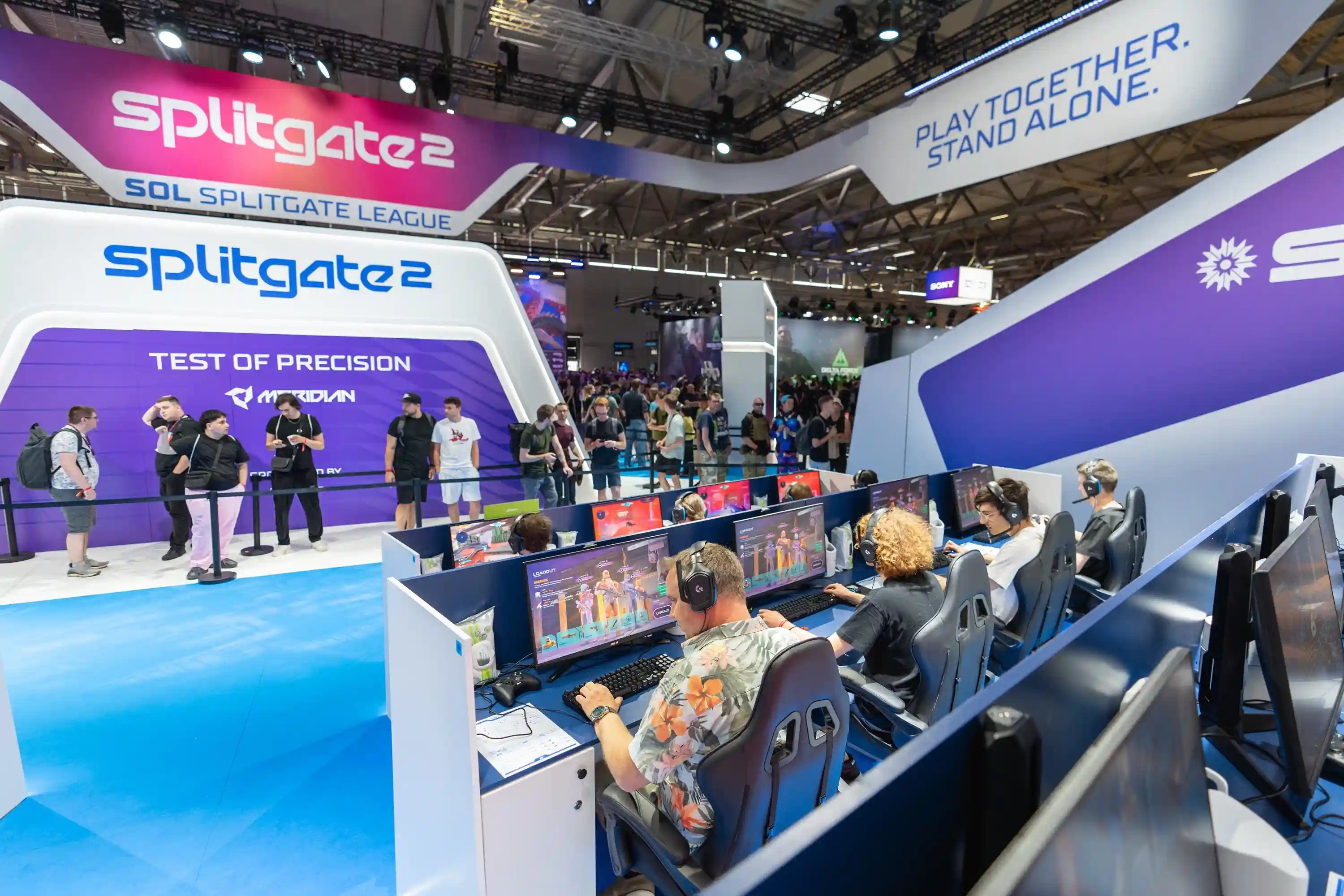
ShowReady.com is uniquely qualified to design, build, and operate live experiences that create loyal players. Here is why:
- Marquee gaming clients: Epic Games, Fall Guys, Poki, Sanzaru Games, Marvel Snap, Pokemon, 2K, and God of War partners, covering genres from platformers to card battlers to moba games.
- In-house scenic fabrication: Southern California facility with full control over narrative fidelity, game design accuracy, and rapid iteration.
- Structural engineering and compliance: Every build meets venue and safety codes, from a compact GDC booth to a 10,500-square-foot VidCon activation.
- AV integration: LED walls, live gameplay feeds, streaming setups, and sound engineering for keeping players engaged throughout multi-day events.
- Turnkey event operations: From concept through load-out, ShowReady handles the full lifecycle so studios can focus on their games.
ShowReady understands both sides of the equation: fan-first immersion (game worlds, characters, augmented reality, virtual reality layers) and brand-first outcomes (enhanced player retention, measurable ROI). Hosting live events increases camaraderie and player retention, and ShowReady builds every activation with that outcome in mind. Live gaming experiences create emotional connections with brands, and ShowReady ensures those connections translate to numbers.
If you are a game studio, publisher, or platform, engage ShowReady early in your event marketing strategies planning cycle to ensure loyalty is designed in from day one.
ShowReady vs a Generic Event Vendor
| Dimension | ShowReady (Gaming-First Agency) | Generic Event Vendor |
|---|---|---|
| Depth of gaming industry knowledge | Deep: years across eSports, mobile, console | Surface-level |
| Experience with moba games and eSports | Extensive (Epic Games, 2K, LoL-adjacent IPs) | Minimal or none |
| Ability to replicate precise game design details | Exact: in-game models to physical builds | Approximate at best |
| Integration with digital and AR layers | Built into every concept | Afterthought or outsourced |
| Analytics and measurement sophistication | KPI frameworks, dwell tracking, conversion funnels | Basic headcounts |
The difference matters when your goal is long-term player loyalty instead of one-off spectacle. ShowReady is a game changer for brands that take the long run seriously.
Future Trends: Where Live Gaming Experiences and Loyalty Are Heading
Several trends will reshape the landscape for game developers and publishers over the next few years:
- Hybrid events: Sync live shows with global livestreams so consumers who cannot travel still engage. This expand the benefits of a single activation to a worldwide audience.
- AR and mixed reality maturation: As technology continues to advance, AR will move from novelty to standard. Expect seamless integration of cross-platform progression and loyalty programs into physical activations.
- Cloud gaming and cross-save: Event attendees will continue where they left off in-game, reinforcing continuity between live and digital play and keeping players coming back.
- Ethical and accessible design: Eco-friendly builds, mobility-friendly layouts, and inclusive access will become part of brand loyalty for many players.
- AI-driven personalization: Data analytics and AI will make live events more granular, with players seeing content, quests, and rewards tailored to a player's interests and preferences in real time. Personalized game recommendations enhance engagement and retention even further when delivered at the point of the immersive experience.
ShowReady is already designing activations with these innovative approaches in mind, ensuring that today's builds can evolve alongside new games and emerging technology.
Frequent Questions
How do we measure ROI from a live gaming experience?
ROI can be tracked through a mix of event KPIs (attendance, dwell time, participation rates), digital follow-up metrics (retention, reactivation, ARPU), and loyalty program activity linked to event participation. Combine QR check-in data with in-game telemetry for a complete picture. For instance, tracking opt-in rates at the event against 30-day login frequency gives you a direct line from activation spend to player retention.
Are live gaming experiences only effective for big franchises?
No. While blockbuster IPs like Fall Guys, Marvel Snap, and God of War gain obvious advantages from scale, well-designed smaller activations can be powerful for indie studios. A tightly focused build centered on a core community, like Sanzaru Games' Norse-themed scenic shields, can drive outsized loyalty relative to its footprint.
How early should we bring an experiential agency into our launch planning?
Bring ShowReady in 6 to 12 months before a major release or loyalty program refresh. This allows time to align game design, content drops, and event strategy around clear retention goals. Early involvement means the physical activation enhances the game's narrative arc rather than sitting apart from it.
Can live events support both acquisition and loyalty at the same time?
Yes. Events can be structured with discovery zones for new players, advanced challenges for existing players, and integrated sign-up flows for ongoing game events. The quest-path model (Discover, Compete, Celebrate) serves both purposes simultaneously, attracting curious newcomers while rewarding loyal fans.
What is the minimum scale required for an impactful live gaming experience?
Impact is less about square footage and more about clarity of concept and execution. ShowReady has delivered both large-scale builds (10,500 square feet at VidCon for Fall Guys) and tightly focused hero installations (single-character statues, compact yet immersive booths like Poki at GDC) that each drove meaningful loyalty outcomes and kept players hooked on the brand well after the event wrapped.